
You have a date, a budget, and a vision — but walking into a venue tour without knowing what to look for when renting an event venue is like signing a lease on an apartment you only saw in photos. According to a 2025 EventMB industry report, nearly 38% of event planners cited venue-related issues as the number-one source of budget overruns and logistical headaches. In 2026, with rising expectations for immersive technology and seamless guest experiences, the stakes are even higher. This guide draws on insider advice from event industry veterans — the kind of professionals who have walked hundreds of venues in the Chantilly, Fairfax, Centreville, and greater Northern Virginia area — to help you spot the red flags and green flags before you sign on the dotted line.
Whether you are planning a corporate conference, a nonprofit fundraiser, a product launch, or a milestone celebration within about 20–30 miles of Chantilly, VA, these expert-backed criteria will save you time, money, and stress.
Why Knowing What to Look for When Renting an Event Venue Matters More in 2026

The event landscape has shifted dramatically. Attendees in 2026 expect more than four walls and a podium. They expect dynamic lighting, crisp audio, high-resolution visual displays, and hybrid-friendly infrastructure. Venues that were considered cutting-edge five years ago may now feel dated — and a dated venue sends the wrong message about your brand, your cause, or your celebration.
The Real Cost of Choosing the Wrong Venue
Choosing poorly does not just mean an underwhelming experience. It can mean:
- Budget blowouts from unexpected fees for power, rigging, or AV equipment rentals from third-party vendors.
- Logistical nightmares when load-in access, parking, or Wi-Fi bandwidth cannot support your event needs.
- Reputational damage when guests or stakeholders leave with a negative impression tied directly to the physical space.
Industry veterans agree: the venue sets the ceiling for your event. No amount of decor or programming can fully compensate for a fundamentally wrong space. That is why a methodical evaluation — guided by the green flags and red flags below — is non-negotiable.
Green Flags: Signs You Have Found the Right Venue

When you walk into a venue and start noticing these characteristics, you are likely in the right place. Event professionals in the Northern Virginia corridor — from Dulles to Manassas to Reston — use these benchmarks regularly.
1. Transparent and All-Inclusive Pricing
A green-flag venue presents pricing that is clear, detailed, and upfront. You should be able to see exactly what is included in your rental fee — tables, chairs, AV equipment, lighting, setup and teardown time, and staffing. If the venue bundles essential production elements into the base rate rather than tacking them on as add-ons, that is a strong signal of integrity and professionalism.
Insider tip: Ask the venue to provide a sample invoice from a past event similar to yours. Reputable venues will not hesitate to show you a redacted example so you understand the total cost picture.
2. Built-In Technology That Actually Works
In 2026, built-in AV production capabilities — LED video walls, professional sound systems, broadcast-quality cameras, and live streaming infrastructure — are not luxuries. They are expectations. A venue that already has these systems installed, tested, and maintained by in-house technicians eliminates an enormous layer of complexity and cost.
Look for:
- LED walls or large-format displays with high pixel density (pitch of 2.6mm or finer for close-viewing events).
- Integrated audio systems with distributed speakers, not just a portable PA on a stick.
- Dedicated technical staff who know the room acoustics, lighting grid, and signal flow.
- Hardwired internet with sufficient bandwidth for live streaming, hybrid attendee engagement, and social media.
3. Flexible Floor Plans
Your event is unique. The venue should be able to accommodate that uniqueness. Green-flag venues offer multiple layout configurations — theater, banquet, classroom, U-shape, cocktail — and can show you documented floor plans or 3D renderings for each. Even better, they offer modular studio spaces that can be combined or separated depending on your group size.
4. Convenient Location With Adequate Parking
For events in the Northern Virginia area, accessibility matters enormously. A venue located near major corridors like Route 28, Route 50, or the Dulles Toll Road — within a 20–30 mile radius of Chantilly — makes attendance easier for guests coming from Fairfax, Ashburn, Herndon, Leesburg, Manassas, and even downtown Washington, DC. Ample free parking is a major plus; paid or limited parking is a friction point your guests will remember.
5. Responsive and Knowledgeable Staff
Pay attention to how the venue team communicates during the inquiry and tour phase. Are they responsive within 24 hours? Do they ask thoughtful questions about your event goals? Do they offer solutions proactively? The quality of pre-event communication is a reliable predictor of day-of execution. Industry veterans will tell you: if they are slow or disorganized before they have your deposit, it will not improve after.
Red Flags: Warning Signs to Walk Away
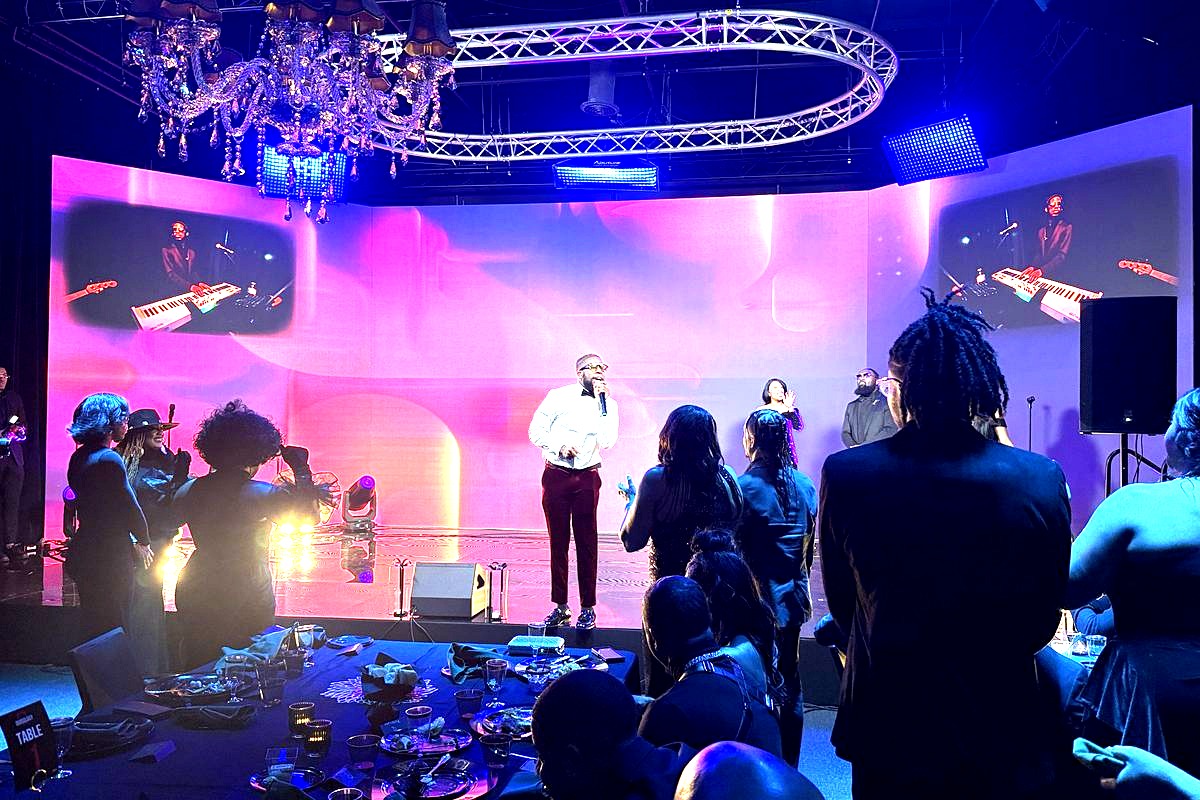
Not every venue that looks good on Instagram will perform well on event day. Here are the warning signs experienced planners watch for when evaluating venues in the Fairfax County, Loudoun County, and Prince William County area.
1. Vague or Evasive Pricing
If a venue cannot — or will not — give you a clear breakdown of costs, treat that as a serious red flag. Phrases like ‘we will figure that out later’ or ‘it depends’ without further explanation often precede surprise charges. Every legitimate venue should be able to provide a written estimate after understanding your event scope.
2. Restrictions on Outside Vendors Without Justification
Some venues require you to use their exclusive catering, decor, or entertainment vendors. While preferred vendor lists can sometimes ensure quality, mandatory vendor lock-ins without competitive pricing transparency are a red flag. You should always have the freedom to bring in specialists who align with your vision and budget — or at minimum understand exactly why the restriction exists and what value it delivers.
3. Outdated or Unreliable Technology
If the venue boasts about technology but the projector flickers during your tour, the microphone crackles, or the Wi-Fi password does not work, take note. These are not minor issues. In 2026, technical failures during an event — especially a corporate event or hybrid conference — erode credibility instantly. Ask to see a live demonstration of the AV system. If they cannot or will not show you, move on.
4. Poor Load-In Access and Setup Logistics
A beautiful event space means nothing if your vendors cannot get equipment through the door. Check for:
- Loading dock or ground-level access for heavy equipment.
- Freight elevator availability if the space is above ground level.
- Sufficient setup and teardown windows (not just the event hours).
- Clear policies on when vendors can access the space.
5. No Walkthrough or Site Visit Offered
Any venue that discourages or avoids in-person site visits is hiding something. Period. A reputable venue will welcome you, walk you through every corner of the space, introduce you to key staff members, and answer every question without hesitation. In fact, they should encourage a walkthrough because they know their space sells itself.
The Evaluation Checklist: How to Compare Venues Like a Pro
After touring multiple venues in the Chantilly, Centreville, Herndon, and Reston area, it helps to have a structured comparison framework. Here is what industry veterans recommend scoring on a 1–5 scale for each venue:
- Location & Accessibility: Proximity to major roads, airports (Dulles International is a huge advantage for this area), and public transit. Free parking availability.
- Capacity & Flexibility: Can the space accommodate your expected attendance comfortably in your preferred layout? Can it scale up or down?
- Technology & AV Infrastructure: Built-in LED walls, sound systems, lighting rigs, live streaming capability, and technical support staff.
- Pricing Transparency: Is the total cost predictable? Are there clear inclusions and exclusions?
- Staff Responsiveness: Communication speed, professionalism, and willingness to customize.
- Ambiance & Aesthetics: Does the space align with the tone of your event without requiring extensive transformation?
- Catering & Vendor Flexibility: Freedom to bring in your preferred caterer, florist, entertainment, or photographer.
- Reviews & Reputation: Google reviews, testimonials, and word-of-mouth recommendations from planners in the Northern Virginia community.
Assign each venue a score, total them up, and the numbers often confirm what your gut already sensed. This method removes emotional bias and helps you defend your venue choice to stakeholders, committees, or leadership teams.
What First-Time Renters Often Overlook
Even experienced organizers sometimes miss details that can make or break an event. Here are the commonly overlooked factors that veterans always check:
Insurance and Liability Requirements
Many venues require event liability insurance. Some include it in the rental fee; others require you to purchase a separate policy. Know this upfront so there are no last-minute scrambles. A green-flag venue will clearly communicate insurance requirements in their initial proposal.
Noise Restrictions and Curfews
If your event includes live music, a DJ, or late-night programming, confirm the venue’s noise ordinances and curfew policies. Some locations in Fairfax County and Loudoun County have strict noise cutoff times that could force an early end to your event.
Backup Plans for Technical Failures
Ask the venue what happens if the sound system fails mid-keynote or the LED wall goes dark during a product reveal. Professional venues have redundancy built in — backup processors, spare cables, on-site technicians who can troubleshoot in real time. If the venue cannot articulate a contingency plan, that tells you everything about their operational maturity.
Day-of Coordination and Point of Contact
Will the venue provide a dedicated point of contact on event day? Or will you be left managing logistics yourself? A venue that assigns an on-site coordinator who knows the space intimately — power panel locations, HVAC controls, emergency exits — is worth its weight in gold.
How Trivision Event Center Checks Every Box
At Trivision Event Center, located at 3856 Dulles South Ct in Chantilly, VA, we built our space specifically to address every criterion outlined in this guide. Our modern, flexible studios feature professional-grade LED video walls, integrated AV production systems, and in-house technical staff — all included in our rental packages. No third-party vendor coordination, no surprise fees, no outdated projectors.
Our location puts us within easy reach of attendees from Fairfax, Centreville, Herndon, Ashburn, Manassas, Leesburg, Reston, and the broader DC metro area, with convenient access via Route 50 and Route 28 and proximity to Dulles International Airport. We offer free parking, flexible floor plan configurations, and a team that responds to inquiries within hours — not days.
Whether you are hosting a 50-person corporate meeting or a 300-guest gala in 2026, we invite you to schedule a walkthrough and experience the difference a purpose-built, technology-forward venue makes. Contact Trivision Event Center today to start planning your next event with confidence.
Frequently Asked Questions
What is the most important thing to look for when renting an event venue?
The most important factor is alignment between the venue’s capabilities and your event’s specific needs. This includes capacity, built-in technology (such as LED walls and sound systems), pricing transparency, and the quality of on-site support staff. A venue that excels in all four areas — like a purpose-built event center with integrated AV production — will set your event up for success far more reliably than a space that only looks good in photos.
How far in advance should I book an event venue in Northern Virginia?
For large events like galas, conferences, or corporate holiday parties, booking 4–6 months in advance is recommended — especially for popular dates in the Chantilly, Fairfax, and Reston area. Smaller meetings or workshops can often be booked 6–8 weeks out, but availability varies. In 2026, demand for tech-enabled venues is increasing, so earlier is always better.
Should I choose a venue with built-in AV equipment or bring my own?
Venues with built-in AV equipment typically save you 30–50% compared to renting, transporting, and setting up third-party gear. More importantly, in-house systems are calibrated to the room’s acoustics and dimensions, delivering a far more polished result. If the venue also provides trained technicians, you eliminate the risk of miscommunication between your AV vendor and the facility — a common source of event-day problems.
What red flags should I watch for during a venue tour?
Key red flags include vague pricing, outdated or malfunctioning technology, poor communication from staff, restricted vendor policies without clear justification, inadequate parking, and a reluctance to offer a full walkthrough. If the venue cannot demonstrate its AV systems live during your tour or cannot provide a detailed written cost estimate, consider those serious warning signs.
How do I know if a venue can support hybrid or live-streamed events?
Ask about dedicated internet bandwidth (not shared Wi-Fi), broadcast-quality camera systems, encoding hardware or software for live streaming platforms, and whether the venue has experience producing hybrid events. A capable venue will be able to show you past examples or case studies of hybrid events they have supported. In 2026, hybrid capability is no longer optional for corporate and conference events — it is expected.