
Why Finding a Live Streaming Event Venue in Virginia Shouldn’t Be This Hard
You’ve been asked to plan a hybrid event. Half your audience will be in the room; the other half will be watching from laptops in different time zones. And now you need a live streaming event venue in Virginia that doesn’t require you to truck in $40,000 worth of production gear, hire a separate streaming crew, and pray the venue’s Wi-Fi doesn’t collapse mid-keynote. Sound familiar?
According to a 2024 report by Grand View Research, the global virtual events market is projected to reach $657.6 billion by 2030, growing at a CAGR of 23.7%. That explosive growth isn’t slowing down in 2026 — it’s accelerating. Corporate planners, association directors, and marketing teams across Northern Virginia are being tasked with delivering broadcast-quality hybrid experiences on tighter timelines and leaner budgets. The problem? Most traditional venues in the Chantilly, Centreville, Herndon, and Dulles corridor were never designed for live streaming. You end up layering on vendors, battling bandwidth limitations, and managing a patchwork of rented equipment that creates more risk than confidence.
This guide is built specifically for planners who need a venue within about 20–30 miles of Chantilly, VA, where professional live streaming infrastructure is already in place — not bolted on as an afterthought. We’ll walk through what to look for, what questions to ask, and how to evaluate whether a venue’s hybrid capabilities are genuinely production-ready or just marketing fluff.
What Makes a Venue Truly ‘Live Streaming Ready’ in 2026
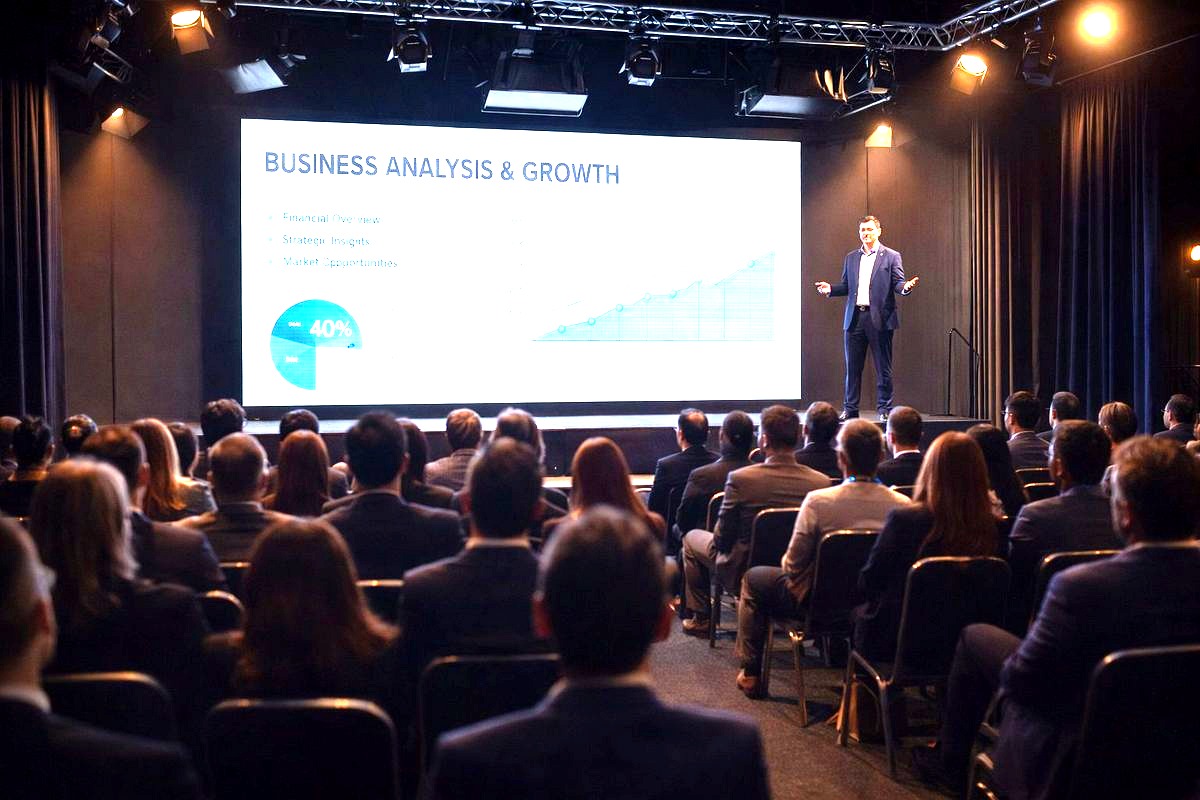
There’s a significant difference between a venue that can accommodate live streaming and one that was purpose-built for it. In 2026, the bar for hybrid event quality has risen dramatically. Remote attendees now expect multi-camera angles, crisp audio, real-time graphics, and seamless interactivity — not a single wide-shot from a webcam mounted on a tripod in the back of the room.
Dedicated Internet Infrastructure
This is non-negotiable. A legitimate live streaming event venue must have:
- Dedicated, symmetrical fiber internet — not shared Wi-Fi that competes with every phone in the building. You need guaranteed upload speeds of at least 50 Mbps (ideally 100+ Mbps) specifically allocated for your stream.
- Hardwired Ethernet connections at key production positions so your encoding station, cameras, and content management systems aren’t relying on wireless signals.
- Redundant connectivity — a failover connection that kicks in automatically if the primary line drops. One lost stream can mean thousands of dollars in wasted production and a damaged brand reputation.
Professional AV Production Built Into the Space
Look for venues that include broadcast-grade equipment as part of the rental — not as a line-item add-on that doubles your budget. Key infrastructure includes:
- Multi-camera switching capability with professional PTZ or manned cameras
- LED video walls or large-format displays that serve as both in-room presentation surfaces and broadcast backdrops
- Professional audio systems with isolated feeds for the stream (room audio and stream audio should be separately mixed)
- Hardware encoding stations capable of streaming to platforms like Zoom, Microsoft Teams, YouTube Live, Vimeo, or custom RTMP destinations simultaneously
Flexible Studio Environments
The best hybrid venues in the Northern Virginia region offer configurable spaces that can shift between presentation-style setups, panel discussions, town halls, and broadcast studio formats. This flexibility matters because hybrid events often require different production setups for different segments within a single program.
The Northern Virginia Advantage: Why Planners Are Looking Near Chantilly and Dulles
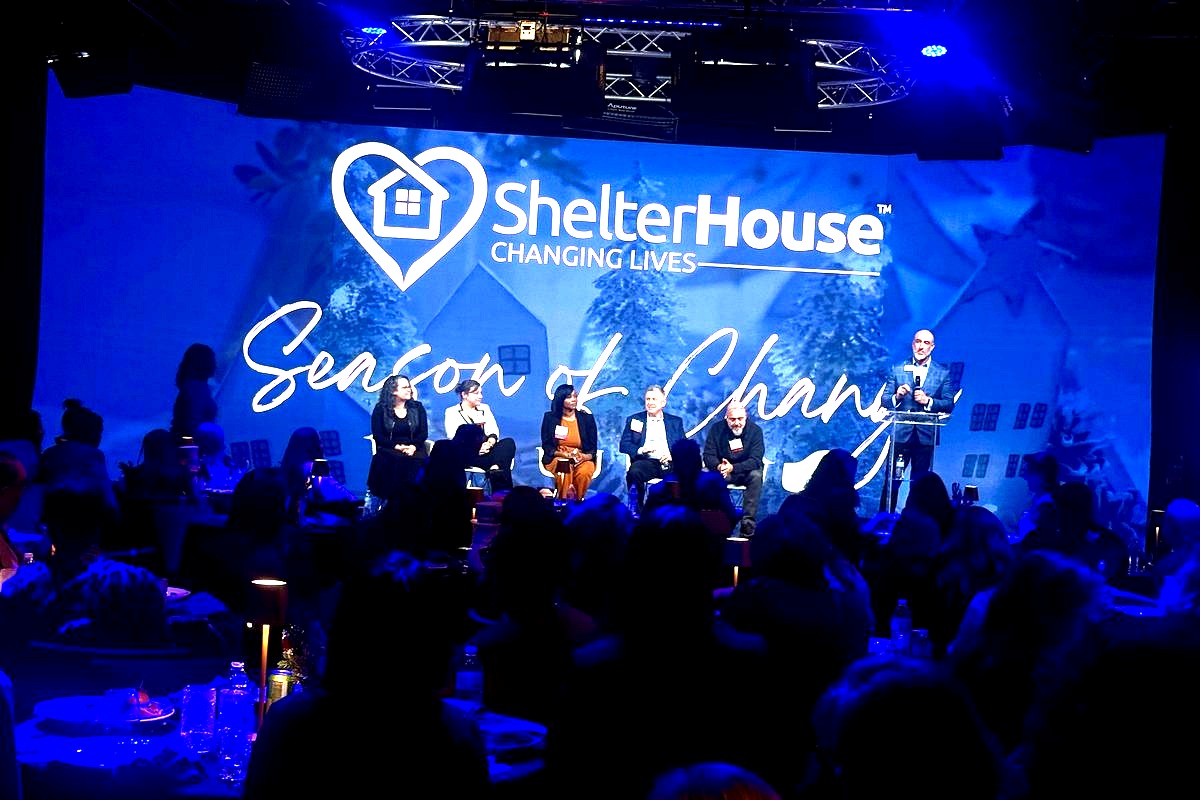
If you’re planning a hybrid or live-streamed event in Virginia, the corridor stretching from Chantilly and Centreville through Herndon, Reston, and out toward Ashburn and Leesburg offers a unique combination of advantages that other parts of the state simply can’t match.
Proximity to Data Center Alley
Northern Virginia is home to the largest concentration of data centers in the world. The Ashburn-to-Manassas corridor processes roughly 70% of the world’s internet traffic on any given day. What does that mean for your live stream? It means fiber infrastructure in this region is unparalleled. Venues located within 20–30 miles of Dulles South Court in Chantilly have access to internet backbone connectivity that venues in Richmond, Virginia Beach, or even parts of DC proper simply don’t enjoy. Lower latency, higher bandwidth availability, and more redundancy options translate directly into more reliable streams.
Accessibility for In-Person Attendees
The Chantilly and Dulles area sits at the intersection of Routes 28 and 50, with quick access to the Dulles Toll Road and I-66. For attendees flying in, Dulles International Airport is minutes away. For regional attendees coming from Fairfax, Manassas, Sterling, Loudoun County, or the broader DC metro area, the location is central and convenient. Ample parking — often free — removes another friction point that downtown DC venues can’t solve.
Cost Efficiency Compared to DC Proper
Venue rental rates in Chantilly, Herndon, and the surrounding Dulles corridor are typically 30–50% lower than comparable spaces in downtown Washington, DC, or Arlington. For hybrid events where a significant portion of your budget needs to go toward production quality rather than real estate, this cost advantage is meaningful. You can invest the savings into higher-quality streaming, better content production, or enhanced virtual attendee experiences.
A Step-by-Step Evaluation Framework for Live Streaming Venues
Not every venue that claims to support live streaming actually delivers a professional result. Use this framework during your site visits and vendor calls to separate the genuinely capable from the merely aspirational.
Step 1: Request a Technical Specifications Sheet
Any venue serious about live streaming should be able to hand you a detailed tech spec document that includes internet speeds (upload and download, dedicated vs. shared), audio system specifications, video switching capabilities, and available camera positions. If they can’t produce this document, that’s a red flag.
Step 2: Ask for a Live Demo or Past Stream Recording
Request to see a recording of a previous live-streamed event held at the venue. Pay attention to:
- Video quality — Is it 1080p minimum? Are camera angles varied and professionally composed?
- Audio clarity — Can you hear speakers clearly without room echo, feedback, or inconsistent levels?
- Graphics integration — Are lower thirds, titles, and branded elements cleanly integrated?
- Transition quality — Do camera switches feel smooth and intentional, or jarring and amateurish?
Step 3: Clarify What’s Included vs. What’s Extra
Create a checklist and ask the venue to mark each item as included, available for an additional fee, or not available:
- Dedicated streaming internet connection
- Cameras and camera operators
- Video switching and directing
- Audio mixing for stream (separate from room)
- Encoding hardware and software
- Graphics/lower-third creation and playback
- Recording of the stream for post-event use
- Technical director or producer on-site
- Pre-event technical rehearsal
- Platform integration support (Zoom, Teams, YouTube, custom RTMP)
Step 4: Test the Internet During Your Site Visit
Bring a laptop and run a speed test — but not just any speed test. Use a tool like Speedtest by Ookla or fast.com and specifically check upload speeds. Then ask the venue if the connection you’re testing is the same one that would be dedicated to your stream, or if it’s a shared guest network. The answer tells you everything.
Step 5: Evaluate the Team, Not Just the Tech
Equipment is only as good as the people operating it. Ask who will be running your stream. Are they in-house production staff with experience managing live broadcasts? Or will the venue connect you with a third-party vendor? In-house teams who work in that specific space daily will always deliver more reliably than a contracted crew encountering the room for the first time on your event day.
Common Live Streaming Pitfalls (And How the Right Venue Prevents Them)
Even experienced planners get burned by hybrid event production. Here are the most common failures and how choosing the right venue eliminates them before they happen.
Pitfall 1: Audio Disasters
Poor audio is the number-one complaint from virtual attendees — and it’s usually caused by using room microphones to capture the stream audio instead of direct-feed audio from a properly mixed board. A production-ready venue will have isolated audio feeds that route clean, balanced sound directly to the stream encoder, independent of what the room speakers are doing.
Pitfall 2: Bandwidth Crashes During Peak Moments
Your keynote speaker is 10 minutes into their presentation. The stream freezes. The chat explodes with complaints. This happens when venues share bandwidth between streaming, guest Wi-Fi, and internal operations. A properly equipped live streaming event venue in Virginia will have physically separated networks — your production stream should never compete with an attendee checking their email.
Pitfall 3: No Rehearsal Time
Many venues pack events back-to-back and don’t allocate time for a proper technical rehearsal. For any hybrid event, you need at minimum 60–90 minutes of dedicated rehearsal time to test camera positions, audio levels, graphics playback, platform connectivity, and speaker comfort with the hybrid format. The best venues build this into their standard event timeline.
Pitfall 4: Ugly Backdrops and Poor Lighting
Your virtual audience sees what the cameras see. If the room has harsh fluorescent lighting, cluttered backgrounds, or a bland stage setup, your stream will look unprofessional regardless of how good your cameras are. Venues with LED video walls and professional lighting rigs solve this instantly — they create broadcast-quality visual environments that make your speakers look polished and your brand look premium.
What to Expect From Trivision Event Center for Your Next Hybrid Event
Trivision Event Center, located at 3856 Dulles South Court in Chantilly, VA, was designed from the ground up for exactly these types of events. Unlike traditional banquet halls or hotel ballrooms that have been retrofit for streaming, Trivision’s flexible studios feature built-in LED video walls, professional AV production infrastructure, and dedicated high-speed internet specifically engineered for live broadcast and hybrid events.
Here’s what makes Trivision different for planners who need reliable live streaming:
- Turnkey streaming production — cameras, switching, encoding, and platform integration are part of the venue’s core offering, not aftermarket add-ons.
- In-house production expertise — their team understands the technical demands of live broadcasting and works with you from pre-production through event day.
- LED wall environments that double as dynamic broadcast backdrops, allowing you to display branded content, presentation slides, sponsor logos, and immersive visuals that elevate the virtual viewer experience.
- Flexible studio configurations that adapt to conferences, galas, corporate town halls, product launches, and panel discussions — all with hybrid capability.
- Central Northern Virginia location — minutes from Dulles Airport, accessible from Fairfax, Loudoun, Prince William counties, and the broader DC metro area, with ample free parking.
For 2026 events where your audience is split between in-person and remote, Trivision eliminates the vendor coordination headaches and technical risks that plague hybrid productions at conventional venues.
Frequently Asked Questions About Live Streaming Event Venues in Virginia
What internet speed do I need for professional live streaming at an event venue?
For a single-platform, 1080p live stream, you need a minimum dedicated upload speed of 10–20 Mbps. However, for multi-platform streaming, backup streams, and simultaneous virtual attendee interaction (polls, Q&A, chat), a dedicated upload speed of 50–100 Mbps is recommended. The key word is dedicated — shared bandwidth that fluctuates based on how many people are connected is unreliable for professional streaming. When evaluating a live streaming event venue in Virginia, always ask whether the internet connection is dedicated exclusively to your production or shared with other venue operations.
Can I stream my event to multiple platforms simultaneously from a venue in Northern Virginia?
Yes, provided the venue has the right encoding hardware and sufficient bandwidth. Multi-destination streaming (also called simulcasting) allows you to broadcast to YouTube Live, Facebook Live, LinkedIn Live, Zoom, Microsoft Teams, and custom RTMP endpoints at the same time. Venues like Trivision Event Center in Chantilly are equipped with professional encoding systems that support simulcasting as part of their standard production capabilities. This is particularly valuable for corporate events, association conferences, and product launches where different audience segments use different platforms.
How far in advance should I book a live streaming venue for a 2026 event?
For hybrid and live-streamed events in 2026, we recommend booking your venue at least 3–6 months in advance, especially for dates in Q1 and Q4 when corporate event demand peaks. Production-ready venues with built-in streaming infrastructure are still relatively rare in the Northern Virginia market, which means the best spaces book up faster than traditional event halls. Early booking also gives you more time for pre-production planning, technical rehearsals, and content development — all of which contribute to a higher-quality broadcast.
What’s the difference between a venue with ‘streaming capability’ and a purpose-built streaming venue?
A venue with ‘streaming capability’ typically means they have a Wi-Fi connection and will allow you to bring in your own production equipment and crew. A purpose-built streaming venue, on the other hand, has professional cameras, video switching systems, audio mixing for broadcast, hardware encoders, dedicated fiber internet, LED video walls or broadcast-quality backdrops, and professional lighting — all permanently installed and maintained. The difference in output quality is dramatic, and the difference in planner stress levels is even more significant. Purpose-built venues reduce your vendor count, simplify logistics, and deliver consistently professional results.
How much does it cost to rent a live streaming event venue near Chantilly, VA?
Pricing varies based on the duration of your event, the production complexity, and the specific services you need. However, when you factor in that a purpose-built venue like Trivision Event Center includes LED walls, AV production equipment, streaming infrastructure, and technical support as part of the package, the total cost is often significantly less than renting a traditional venue and then separately hiring a production company, renting equipment, and contracting a streaming crew. For accurate pricing tailored to your specific event, contact Trivision directly through their website to discuss your requirements and receive a customized proposal.
Make Your 2026 Hybrid Event Effortless
Planning a hybrid event in Northern Virginia doesn’t have to mean juggling five vendors, crossing your fingers on internet reliability, and hoping the stream doesn’t crash during your CEO’s keynote. The right venue eliminates those risks entirely.
If you’re searching for a live streaming event venue in Virginia that’s purpose-built for professional hybrid production — with LED walls, in-house AV, dedicated streaming infrastructure, and a team that understands broadcast-quality delivery — Trivision Event Center in Chantilly should be at the top of your site visit list.
Reach out to the Trivision team today to schedule a walkthrough, see the production capabilities in person, and start planning a hybrid event that impresses every attendee — whether they’re in the room or watching from 1,000 miles away.