
Stop Overpaying for Your Next Event Venue
If you have ever signed a venue contract and walked away wondering whether you left money on the table, you are not alone. According to a 2024 survey by the Events Industry Council, nearly 62% of corporate event planners said they accepted the first quoted price from a venue without attempting to negotiate—leaving an estimated 15–30% in potential savings untouched. Understanding how to negotiate event venue pricing is one of the most valuable skills a planner can develop, especially when budgets are tighter and expectations are higher heading into 2026.
Whether you are planning a quarterly leadership summit in Chantilly, a product launch near Dulles, or a client appreciation gala in the Centreville–Fairfax corridor, the strategies in this guide will give you a concrete framework for lowering costs without sacrificing quality. These are not vague tips—they are tactical, field-tested negotiation moves used by seasoned corporate planners across Northern Virginia.
Why Venue Pricing Is More Negotiable Than You Think
Most event venues operate on a model that rewards occupancy. An empty ballroom on a Thursday evening generates zero revenue, which means venue managers are often more flexible than their published rate cards suggest. Understanding the economics behind venue pricing gives you immediate leverage.
The Occupancy Reality
Event venues in the Northern Virginia region—spanning Chantilly, Centreville, Herndon, Reston, and surrounding communities within roughly 20–30 miles of the Dulles South corridor—face seasonal and weekly demand fluctuations. A venue that is booked solid on Saturday evenings in October may sit completely vacant on a Tuesday afternoon in February. That gap is your negotiation window.
Cost Structures Work in Your Favor
Most venue costs are fixed: the mortgage or lease, utilities, insurance, and core staffing exist regardless of whether an event is booked. When a venue manager evaluates your inquiry, they are comparing your offer against the alternative of earning nothing. Even a discounted booking contributes to overhead coverage, which is why nearly every venue has room to move on price—if you know how to ask.
- Fixed costs (rent, insurance, base utilities) remain constant whether the room is booked or empty.
- Variable costs (catering labor, AV technician hours, consumable supplies) scale with your event.
- A venue’s willingness to discount typically reflects how confident they are in filling that date without you.
How to Negotiate Event Venue Pricing: 7 Tactical Strategies
Let us move beyond the generic advice of ‘just ask for a discount.’ These seven strategies are specific, actionable, and designed for corporate planners booking events in the greater Chantilly and Northern Virginia area in 2026.
1. Target Off-Peak Dates and Dayparts
The single most powerful lever you have is when you book. Venues price based on demand, and demand follows predictable patterns.
- Day of week: Monday through Thursday bookings typically cost 20–40% less than Friday or Saturday events.
- Season: January, February, July, and August tend to be softer months for corporate events in Northern Virginia. Venues are more willing to negotiate during these windows.
- Daypart: Morning and early-afternoon events often carry lower rates than evening bookings because the venue can potentially double-book the space later that day.
When reaching out, explicitly ask: ‘What are your most flexible dates in Q1 2026?’ This signals that you are open to scheduling around the venue’s availability, which immediately positions you as a desirable client.
2. Bundle Services Instead of Stripping Them Away
Many planners instinctively try to negotiate by removing line items—cutting AV support, skipping the setup crew, or declining included services. This approach often backfires because it reduces the venue’s total revenue without giving them a reason to discount the base rate.
Instead, bundle more services together and negotiate a package rate. If a venue offers in-house AV production, LED walls, lighting, and streaming capabilities, ask for a bundled price that includes everything. Venues prefer this approach because it increases the total contract value while allowing them to offer a per-item discount that feels significant to you.
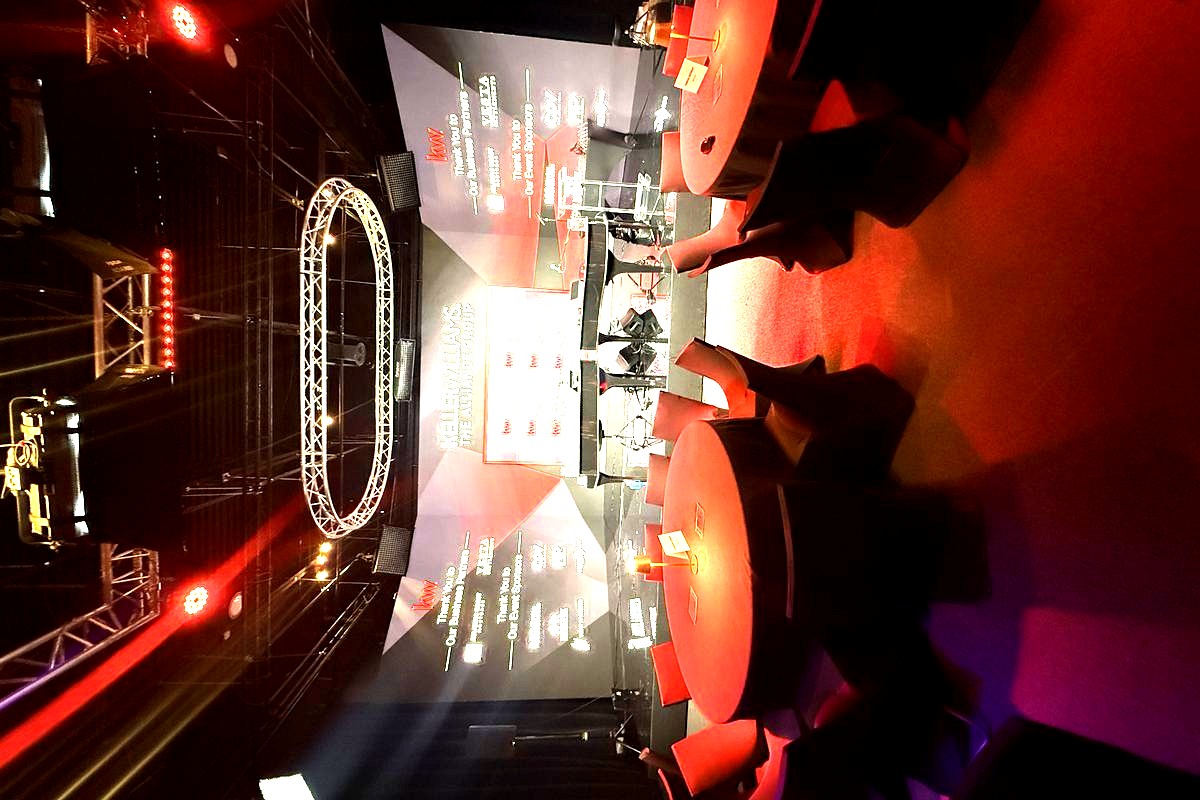
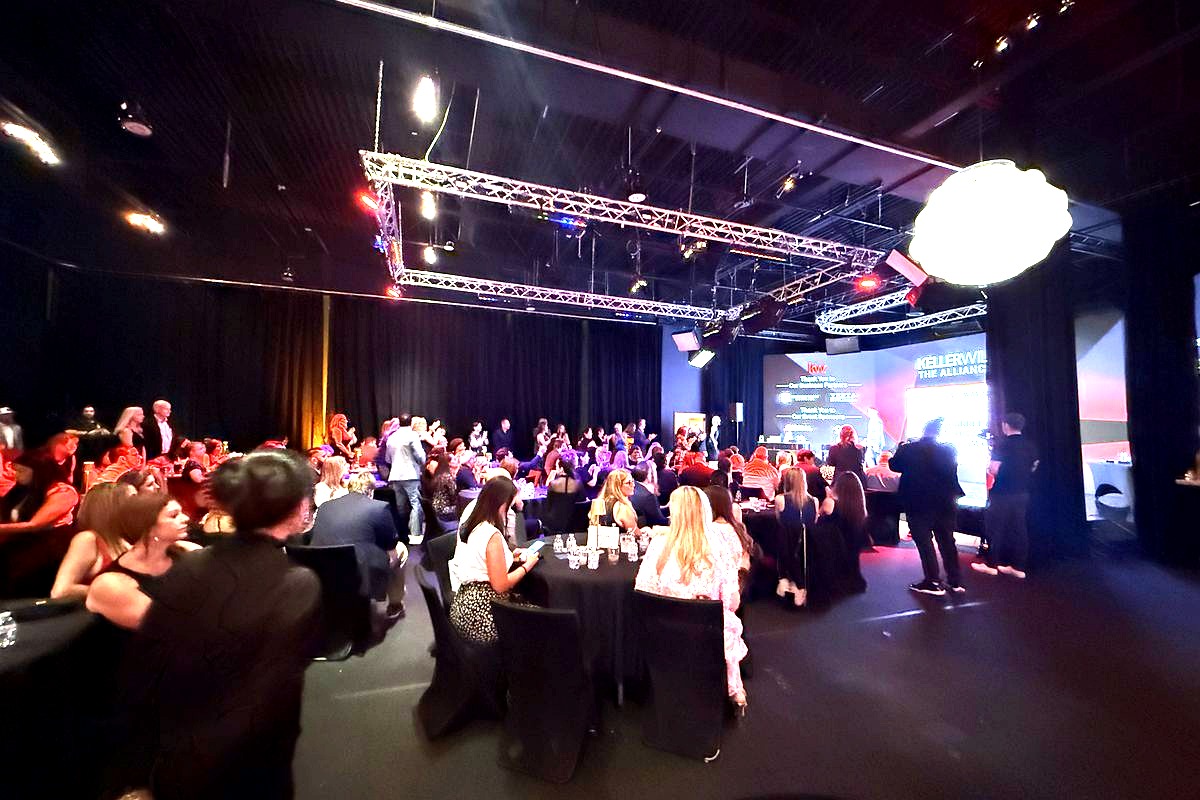
For example, a venue like Trivision Event Center in Chantilly includes built-in LED video walls, professional AV production, and flexible studio configurations. Instead of negotiating each element separately, ask for a comprehensive package rate. The venue retains a higher overall booking value, and you get more for less.
3. Leverage Multi-Event Commitments
If your organization hosts recurring events—quarterly town halls, annual galas, monthly training sessions—use that volume as a negotiation tool. Venues value predictable, recurring revenue because it reduces their sales and marketing costs.
- Offer to commit to three or more events in 2026 in exchange for a 10–20% rate reduction across all bookings.
- Ask for a ‘preferred client’ arrangement that locks in current pricing and guarantees priority scheduling.
- Propose a year-long partnership with co-marketing benefits, such as logo placement on the venue’s website or social channels.
This strategy works particularly well with independent venues and event centers in the Chantilly–Dulles area, where long-term client relationships are prioritized over one-time transactional bookings.
4. Get Competitive Quotes—and Use Them Ethically
You should always collect two to three quotes from comparable venues within the Northern Virginia area before entering serious negotiations. This is not about playing venues against each other in an aggressive way—it is about demonstrating that you have done your homework and have real alternatives.
When presenting a competing quote, frame it constructively: ‘We received a quote from another venue in the Herndon area that is about 15% lower for a similar configuration. We prefer your space because of [specific reason], but we need to reconcile the budget gap. Is there flexibility on your end?’
This approach is respectful, transparent, and effective. It gives the venue manager a clear target to work toward without feeling ambushed.
5. Negotiate Value-Adds, Not Just Dollar Amounts
Sometimes a venue genuinely cannot lower the base rental rate—especially during peak periods or for premium spaces. In these situations, shift your negotiation toward value-adds: additional items or services the venue can provide at low marginal cost but high perceived value to you.
Common value-adds worth requesting include:
- Extended access hours for setup and teardown (often an extra 2–4 hours at no charge)
- Complimentary use of lobby or breakout spaces
- Free parking for VIP guests or speakers
- Upgraded AV equipment or additional display screens
- A complimentary rehearsal or walkthrough session
- Discounted or waived fees for a dedicated on-site technician
These items cost the venue relatively little to provide but can save you hundreds or even thousands of dollars in third-party fees.
6. Time Your Inquiry Strategically
When you reach out matters almost as much as what you say. Venue managers have revenue targets, and their flexibility often increases as those targets approach deadlines.
- End of quarter: Venues trying to close their Q1, Q2, or Q3 books may offer better terms to secure a signed contract before the quarter closes.
- Short-lead bookings: If you can commit to an event within 30–60 days, you may find venues willing to offer steep discounts to fill an otherwise empty date.
- Early-bird advantage: Conversely, booking 6–12 months in advance for a less popular date gives you leverage because the venue has time to plan around your event and appreciates the guaranteed revenue.
7. Always Negotiate the Contract Terms, Not Just the Price
Price is only one dimension of a venue contract. Experienced planners know that favorable contract terms can save as much money as a rate reduction—sometimes more.
Key contract terms to negotiate include:
- Cancellation policy: Push for a tiered cancellation schedule with lower penalties at longer lead times (e.g., full refund at 90+ days, 50% at 60 days, 25% at 30 days).
- Payment schedule: Request a smaller deposit upfront (10–25% instead of 50%) with the balance due closer to the event date.
- Attrition clauses: If your event involves catering minimums or guaranteed attendance numbers, negotiate a wider attrition window (typically 10–20% below the guarantee without penalty).
- Force majeure protections: Ensure the contract includes clear language protecting both parties in the event of circumstances beyond anyone’s control.
- Exclusivity waivers: Some venues require you to use their preferred vendors. Negotiate the flexibility to bring in your own caterer, decorator, or entertainment without paying surcharges.
Common Mistakes That Kill Your Negotiating Power
Even experienced planners undermine their own position with avoidable missteps. Watch out for these deal-killers.
Revealing Your Full Budget Too Early
When a venue asks, ‘What is your budget?’ resist the urge to give a precise number. Instead, offer a range or redirect: ‘We are evaluating several options and want to understand your pricing structure first.’ Once a venue knows your ceiling, they have no incentive to go below it.
Negotiating With the Wrong Person
Front-desk staff and junior event coordinators rarely have authority to adjust pricing. Always ask to speak with the venue manager, director of sales, or owner. In smaller, independently operated venues—common in the Chantilly, Centreville, and Fairfax areas—the decision-maker is often more accessible and more empowered to offer creative solutions.
Failing to Document Verbal Agreements
If a venue manager agrees to a discount, a value-add, or a modified contract term over the phone or in person, follow up immediately with a written summary via email. Verbal agreements that do not make it into the final contract are worthless. Always get it in writing before signing.
Ignoring the Total Cost of the Event
A venue with a lower rental rate but mandatory vendor fees, parking charges, overtime penalties, and service charges can end up costing more than a higher-priced venue that includes everything. Always compare total event cost, not just the base venue rental.
A Real-World Negotiation Script You Can Use
Here is a practical script template you can adapt for your next venue inquiry in the Northern Virginia area:
‘Hi [Name], thanks for sending over the pricing details for [venue name]. We are really impressed with the space, especially [specific feature—e.g., the built-in LED walls and flexible studio layout]. We are planning a [type of event] for approximately [number] guests in [month/quarter] 2026.
We are currently evaluating two other venues in the area, and I want to be transparent—your space is our first choice, but we need to align the pricing with our approved budget. Is there flexibility on the base rental rate for a [weekday/off-peak date]? We would also love to discuss a bundled package that includes AV production and setup support.
Additionally, we host [number] events per year and would be interested in exploring a multi-event partnership if the pricing works for both sides. Would you be open to a quick call this week to discuss?’
This script works because it is specific, complimentary, transparent about alternatives, and opens multiple negotiation pathways simultaneously.
Why the Right Venue Makes Negotiation Easier
The most productive negotiations happen when both parties feel like they are working toward a win-win outcome. Venues that offer transparent pricing, flexible configurations, and bundled services make the negotiation process smoother because there are more levers to adjust.
At Trivision Event Center in Chantilly, VA, corporate planners find that negotiation feels less adversarial because so much is already included. With built-in LED video walls, professional AV production, flexible studio spaces, and a team that understands the unique demands of conferences, galas, hybrid events, and corporate meetings, the conversation shifts from ‘what can we cut’ to ‘how can we get the most value.’ Located just off Dulles South Court, the venue serves organizations throughout the greater Northern Virginia area—from Reston and Herndon to Centreville, Fairfax, Manassas, and Leesburg.
Frequently Asked Questions
How much can you realistically save when you negotiate event venue pricing?
Most corporate planners who negotiate effectively save between 10% and 30% off the initial quoted price. The exact savings depend on several factors: the time of year, the day of the week, how far in advance you are booking, and whether you can offer multi-event commitments. Off-peak date bookings and bundled service packages tend to yield the highest discounts. Even if the base rate is firm, value-adds like extended setup hours, complimentary parking, or upgraded AV equipment can represent hundreds or thousands of dollars in savings.
When is the best time to negotiate event venue pricing in Northern Virginia?
The best time to negotiate is during off-peak seasons—typically January, February, July, and early August—when corporate event demand in the Chantilly, Fairfax, and greater Dulles area tends to dip. You can also gain leverage by reaching out at the end of a fiscal quarter when venues are motivated to close bookings. For specific date flexibility, midweek events (Tuesday through Thursday) consistently command lower rates than weekend bookings.
Should I mention competing venue quotes during negotiation?
Yes, but do so ethically and constructively. Having two or three quotes from comparable venues in the Northern Virginia area demonstrates that you have done your research and have real alternatives. Frame it as a preference, not a threat: explain that you prefer this particular venue for specific reasons and ask whether they can work with you to bridge the pricing gap. This approach respects the relationship while giving the venue manager a concrete benchmark.
What is the most overlooked negotiation tactic for event venues?
Negotiating contract terms rather than just the dollar amount is the most overlooked strategy. Favorable cancellation policies, lower deposit requirements, wider attrition windows, and flexibility on vendor exclusivity can save as much money as a rate discount—and they also reduce your financial risk. Many planners focus exclusively on the rental rate and miss significant savings embedded in the fine print of the contract.
Can small organizations negotiate venue pricing, or is this only for large corporations?
Organizations of any size can negotiate venue pricing. In fact, smaller organizations sometimes have advantages: they may be more flexible on dates and times, which allows them to take advantage of off-peak pricing. Smaller, independently owned venues in the Chantilly and Northern Virginia area often prefer working with local organizations and may offer personalized pricing that larger hotel chains cannot match. The key is demonstrating value as a client—whether through date flexibility, multi-event potential, or willingness to bundle services.
How far in advance should I start negotiating with a venue for a 2026 event?
For major corporate events—annual galas, large conferences, or multi-day programs—begin the conversation 6–12 months in advance. This gives you maximum leverage because the venue has ample time to plan, and you are more likely to secure your preferred date at a favorable rate. For smaller meetings or short-lead events, reaching out 30–90 days before your target date can also work well, as venues may discount to fill gaps in their calendar. The ideal timeline depends on the size and complexity of your event.
Start Your Negotiation With Confidence
Knowing how to negotiate event venue pricing is not about being aggressive or adversarial—it is about being prepared, strategic, and respectful. The seven tactics outlined in this guide give you a concrete framework for reducing costs while building a productive relationship with your venue partner.
If you are planning a corporate event, conference, gala, or hybrid meeting in the greater Chantilly and Northern Virginia area in 2026, Trivision Event Center offers transparent pricing, built-in AV production with LED video walls, and flexible studio configurations designed to maximize your budget. Reach out to the team today to discuss your event needs and discover how a venue that includes more from the start makes the entire planning—and negotiating—process easier.