
Choosing the right event space near Washington DC can make or break your corporate event. Whether you’re planning an annual meeting, product launch, hybrid conference, or executive retreat, the venue you select affects everything from attendee experience to budget, logistics, and long‑term impact.
Today’s planners face a tough decision: should you book a traditional hotel ballroom or go with a modern private event space designed for engagement, flexibility, and production value? This comparison goes beyond hype — it helps you make a strategic choice that aligns with your goals, audience expectations, and brand.
What You’ll Learn
In this guide, you’ll discover:
- The real differences between hotel ballrooms and private event spaces
- How to evaluate each for your corporate events
- Venue features that matter most in 2026
- Practical examples from real events
- Expert tips that save time and money
- Common mistakes planners make — and how to avoid them
This isn’t theoretical advice — it’s an expert framework you can apply immediately when choosing an event space for rental near DC.
The Venue Decision Isn’t Just About Size — It’s About Experience
When most people think of corporate events, a ballroom is often the default choice. They imagine large spaces, elegant décor, and built‑in catering. But a corporate event venue today has far more responsibilities than just holding chairs and tables. Attendees now expect engaging experiences, professional presentations, seamless technology, and — increasingly — hybrid access for remote participants.
This shift matters because your venue must now serve multiple functions:
- In‑person engagement
- Broadcast‑ready presentation
- Branding and visual storytelling
- Efficient logistics and setup
Understanding these expectations is the first step in choosing the right event environment.
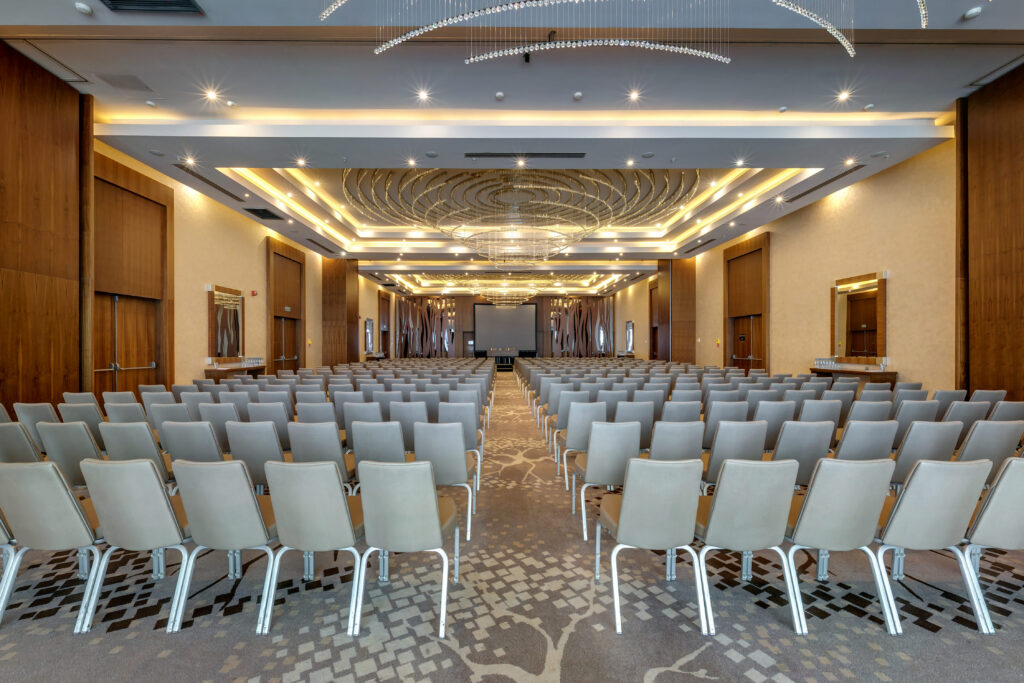
Hotel Ballroom: Strengths and Limitations
Hotel ballrooms remain popular because they are familiar and widely available. Many planners choose them because they come with:
- Large open spaces
- Catering services included
- On‑site accommodation convenience
For traditional formats where the event is mostly in‑person and presentation‑focused, ballrooms can work well. They accommodate large guest lists, formal dinners, and presentations. However, in 2026, simply hosting an event is not enough — planners are increasingly focused on how the event achieves strategic outcomes.
Common Challenges with Hotel Ballrooms
Many hotel ballrooms fall short in areas modern planners care deeply about:
- Audio‑visual limitations: AV equipment is often rented separately and may not integrate smoothly.
- Hybrid experience gaps: Supporting remote audiences is usually an afterthought, not built in.
- Customization constraints: Branding and layout flexibility can be limited due to venue policies.
Example: A corporate town hall hosted in a ballroom may have excellent catering and seating, but if the hybrid broadcast looks amateur or remote attendees struggle to engage, the message loses impact — and your return on investment drops.
Private Event Space: Why It’s Gaining Ground
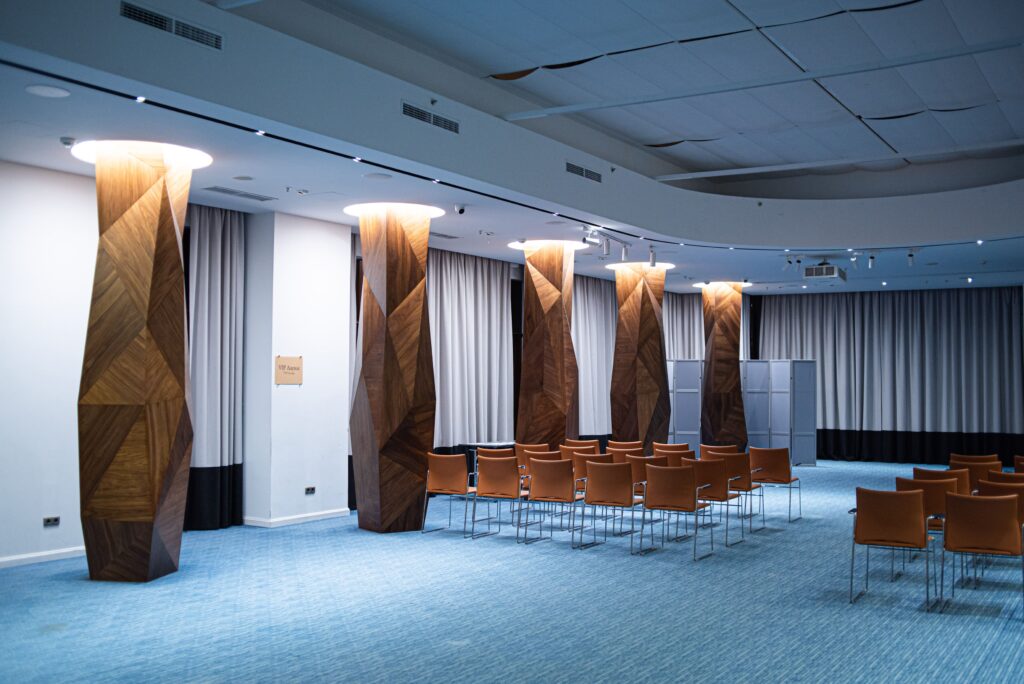
Private event spaces — especially those with builtin production capabilities — are becoming the go‑to choice for forward‑thinking planners. These venues are designed to do more than hold a crowd; they are optimized for engagement, flexibility, and media quality.
A production‑ready event venue equips planners with:
- Integrated lighting and sound systems
- Broadcast‑ready technology
- Flexible layout options
- Visual immersion areas
- Speedy load‑in/load‑out logistics
These features matter because they save time, reduce vendor coordination, and elevate the overall experience — both for live and virtual audiences.
Scenario: Corporate Launch in a Production‑Ready Space
Imagine launching a new product. You want a live demo, a keynote presentation, brand visuals, and a hybrid audience. In a private event space built with these needs in mind, you can execute this without juggling separate AV rentals, unreliable connections, or last‑minute technical issues. This efficiency amplifies your impact and ensures brand consistency.
What Most Planners Get Wrong
Many organizations assume that a cheaper rental or a more traditional space will automatically save money. This often backfires because:
- External AV vendors cost time and money
- Ballrooms may lack dedicated tech support
- Hybrid event capabilities get tacked on as an afterthought
A space that only offers square footage isn’t necessarily giving you ROI. The real value isn’t how big the room is — it’s how well the venue helps you deliver your message with clarity and professionalism.
Expert Insights: What Matters Most in 2026
In today’s event landscape, planners are prioritizing:
✦ Built‑In Technology
A venue with integrated AV systems and broadcast‑ready infrastructure saves coordination headaches and crystalizes your event’s look and feel.
✦ Hybrid Experience
Remote participation is standard, not optional. Venues that facilitate seamless engagement between in‑person and virtual audiences significantly increase event reach.
✦ Layout Flexibility
Straight rows aren’t always optimal. Flexible seating, breakout areas, and configurable spaces help tailor the event atmosphere to your goals.
✦ Technical Support On‑Site
Having a team familiar with the venue’s infrastructure speeds setup and reduces risk during execution.
Avoid These Common Pitfalls When Choosing Your Event Space
Even seasoned planners sometimes slip up. Watch out for these pitfalls:
- Booking based on price without vetting tech capability
- Choosing venue space before clarifying event goals
- Assuming all ballrooms have reliable hybrid support
- Underestimating production timelines
- Ignoring venue policies that limit customization
Avoiding these mistakes helps ensure your event delivers results, not just a venue rental.
Conclusion: Which Corporate Event Venue Wins?
When deciding between a hotel ballroom and a private event space near Washington DC, the answer isn’t one‑size‑fits‑all — it depends on your event’s purpose.
For traditional, in‑person events with straightforward needs, hotel ballrooms provide familiarity and scale. But for hybrid events, engaging presentations, and brand‑forward experiences, a private event space — especially one that is production‑ready and AV‑equipped — gives you strategic advantages.
Spaces such as TriVision Event Center exemplify this new generation of venues, where technology, flexibility, and professional support come together to help planners execute high‑impact corporate events. Choosing a venue with integrated capabilities positions your event for success not just today, but long after the guests leave.
Frequently Asked Questions
1. What is an event space for rental?
An event space for rental refers to a venue you can lease for a specific time to host functions like corporate meetings, private celebrations, or hybrid events. These can range from hotel ballrooms to private production‑ready environments.
2. How do I choose between a hotel ballroom and a private event space?
Start by identifying your event’s primary goals. If your focus is engagement, branding, and hybrid participation, you’ll likely benefit more from a private event space. If the event is traditional and in‑person only, a ballroom may suffice.
3. What should I consider for corporate events?
Evaluate AV capability, hybrid support, layout flexibility, and on‑site technical support. These features directly impact attendee experience and event outcomes.
4. Do ballrooms support hybrid events?
Some do, but often with added cost and manual setup. Dedicated event spaces designed for hybrid experiences tend to deliver more seamless engagement.
5. What is an AV‑equipped event venue?
This is a space that comes with built‑in audio‑visual technology, reducing the need for rentals and external coordination. It improves integration, reliability, and overall production quality.
6. Why is production‑ready important?
A production‑ready event venue offers the technology and infrastructure to run professional presentations, broadcasts, and hybrid components without complex external setups.
Choosing the right venue requires more than comparing square footage and rental rates. Today’s event planners prioritize experience, engagement, and technology integration. While hotel ballrooms still serve many traditional formats, private event spaces with built‑in production capabilities often deliver more value for modern corporate events.
By focusing on how the venue supports your event goals — rather than just what it looks like — you increase your chances of delivering a memorable, professional, and impactful event.