
Panel Discussion and Forum Venues
Panel and forum venues
Compare spaces for a useful conversation
A practical shortlist for moderated conversations, policy discussions and educational forums, with room-specific questions for a productive site visit.
Start with the event plan
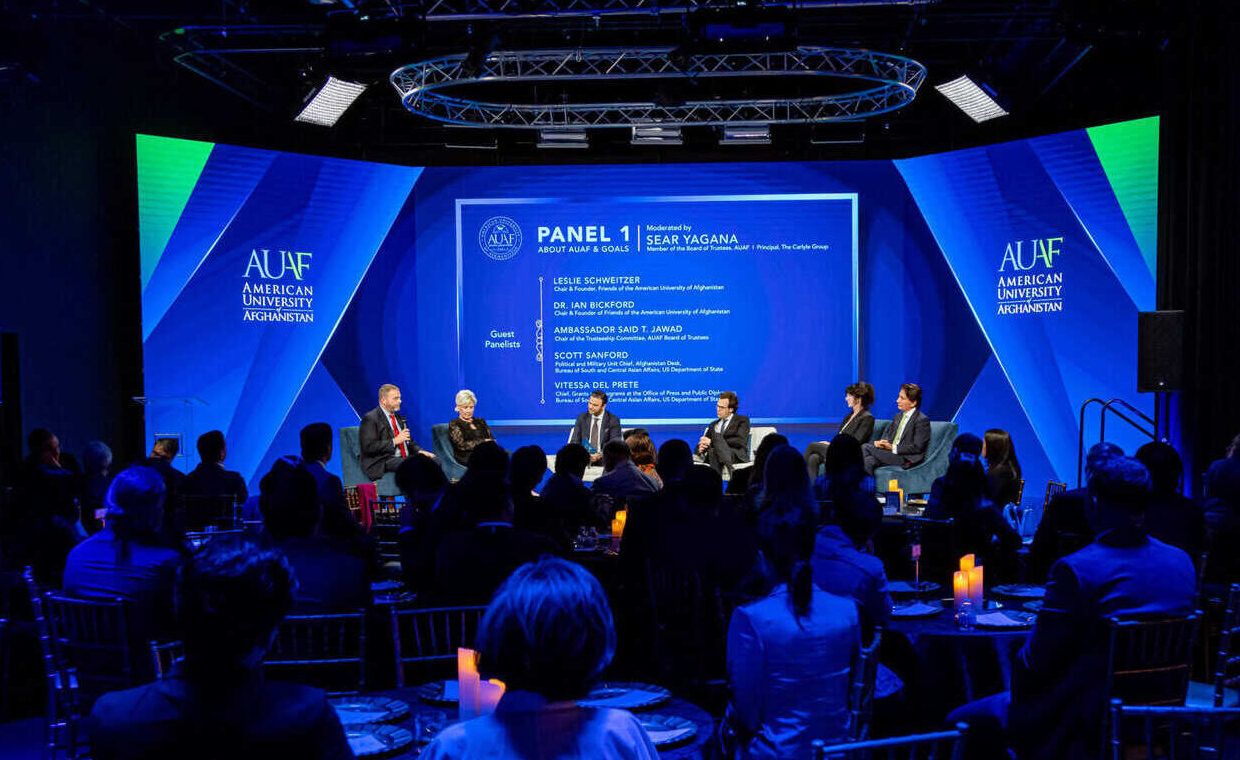
A good panel room helps the audience follow a conversation. Guests need to hear every speaker, see who is responding and understand how to ask a question. The moderator needs an arrangement that supports eye contact without turning away from the audience.
That makes a panel venue search different from choosing a large conference room. A policy conversation, industry forum or discussion-led educational event may need only one main session, but the details deserve attention: speaker preparation, audience microphones, recording positions and the move into a reception afterward. Begin with the conversation format, then choose the room.
Region
Northern Virginia + Washington DC
Focus
Moderation + audience Q&A + recording
In this guide
6 venues + practical planning questions
How we selected the venues
TriVision Event Center publishes this guide and includes its own venue. These six venues publish relevant meeting or auditorium facilities. Inclusion is an editorial fit assessment, not an independent ranking or competitor endorsement. Confirm the room, layout, equipment and personnel for your particular forum.
02 / Compare the options
Quick comparison
TriVision Event Center
Location
Chantilly
Room or format to investigate
Configurable panel and reception arrangement
Key discussion-planning question
How will speaker preparation, audience Q&A and recording work together?
Convene Hamilton Square
Location
Downtown Washington, DC
Room or format to investigate
Forum or smaller meeting room
Key discussion-planning question
Which room fits the expected conversation and turnout?
Ronald Reagan Building and International Trade Center
Location
Washington, DC
Room or format to investigate
Amphitheater or conference space
Key discussion-planning question
Does the presentation scale suit the audience interaction?
Capital One Hall
Location
Tysons
Room or format to investigate
Main Theater or The Vault
Key discussion-planning question
Which space gives the panel an appropriate audience relationship?
Capital Turnaround
Location
Washington, DC
Room or format to investigate
Auditorium with a separate gathering space
Key discussion-planning question
How will audience participation and the reception transition be handled?
Westfields Marriott Washington Dulles
Location
Chantilly
Room or format to investigate
Lincoln Forum
Key discussion-planning question
What technical setup supports a discussion rather than a solo speech?
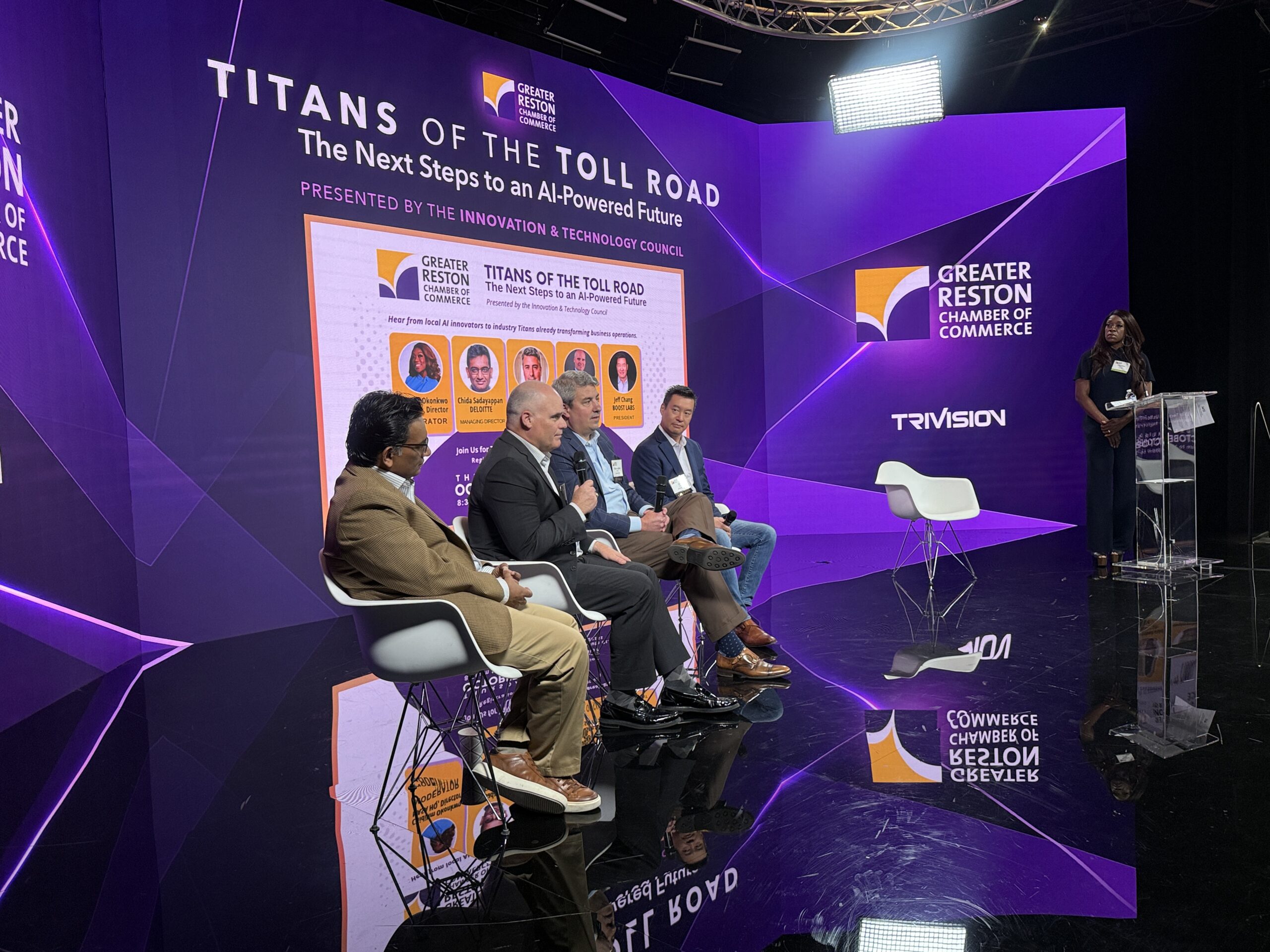
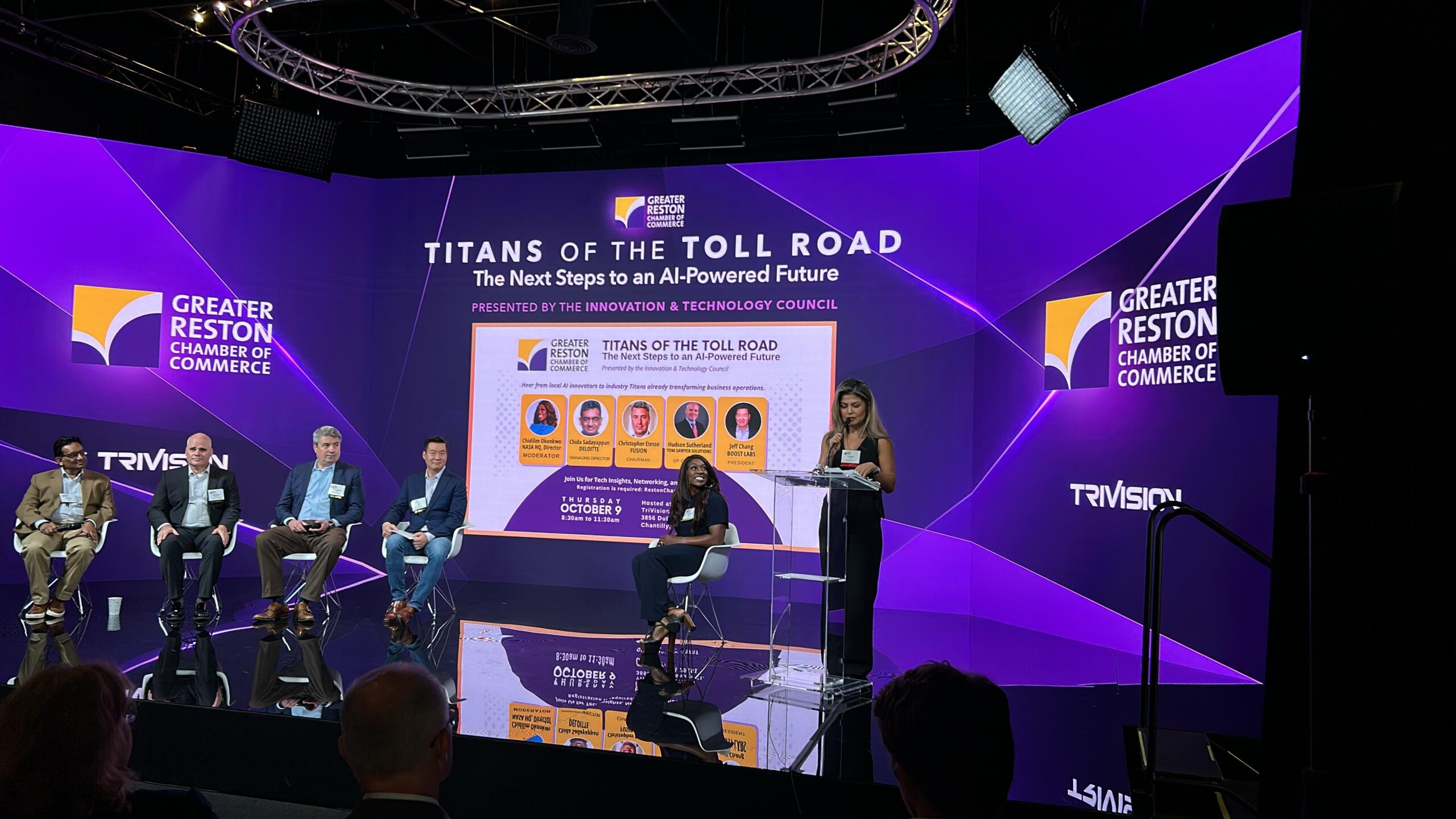
TriVision Event Center photographs
Inside TriVision Event Center
These images show TriVision venue context, not the other venues in this comparison.
1. TriVision Event Center
Published space: TriVision lists expert panels, educational forums and dinner receptions with panels. Its venue amenities include a green room and conference room.
Consider for: A discussion with a planned recording or a reception around the main session. Build the brief around the interaction between speakers, audience and production team.
Ask on the tour: Arrange the proposed panel chairs and check what each speaker can see. Where would a question microphone go, and could a camera cover the exchange without occupying a guest route? Confirm the approved floor plan, contracted preparation rooms and exact technical scope. Recording and livestreaming are available production options, not services to assume are included in every rental.
2. Convene Hamilton Square
Published space: Convene Hamilton Square advertises policy summits and government meetings in downtown Washington. It lists the divisible Forum and smaller meeting rooms.
Consider for: A policy or industry discussion where room choice should reflect the expected turnout and degree of participation. Ask for alternatives if the initial proposal feels larger than the conversation requires.
Ask on the tour: How would the panel look from the side and rear seats? Where can the moderator see a time signal without distracting the audience? If a reception follows, trace the route and identify who directs guests. Have the proposal name the microphones, presentation inputs and on-site technical support rather than relying on a general meeting-package description.
3. Ronald Reagan Building and International Trade Center
Published space: The Washington venue's space inventory includes a tiered Amphitheater with built-in technology and a green room, alongside conference suites.
Consider for: A forum requiring a defined presentation setting and speaker preparation space. Also explore a smaller room when the desired format is closer to an exchange with the audience.
Ask on the tour: Can the moderator see and acknowledge someone asking a question? Decide whether questions come from a fixed position, a roaming microphone or a moderated digital channel. Check the timing required to move between speakers and the audience. Confirm the actual technology and staffing, preparation area, guest entry procedures and any additional reception space in the written plan.
4. Capital One Hall
Published space: Capital One Hall's Tysons private-event page offers the Main Theater and The Vault among its named spaces.
Consider for: A public-facing conversation that benefits from a distinct performance-space setting. Select the room for audience engagement as well as attendance; a larger theater is not automatically the better panel venue.
Ask on the tour: Where will panelists sit relative to the audience, screens and moderator? Discuss how audience questions will reach the stage and how guests needing assistance can participate. If the conversation is recorded, request a camera plan for both panelists and questioners. Confirm which support and hospitality areas are part of the private-event booking.
5. Capital Turnaround
Published space: Capital Turnaround offers an auditorium, sound system, LED displays and a main hall. Its location page confirms Southeast Washington.
Consider for: A discussion followed by time for attendees to continue the conversation in another space. Compare the formal session and gathering as two connected parts of the event.
Ask on the tour: How will guests know when the discussion begins and where to go afterward? Plan the moderator's closing instructions, not just the doors. Confirm the microphone arrangement, room reservations and staffing during the transition. If the audience is expected to participate frequently, ask the team to demonstrate the question-handling plan from several seats before approving the setup.
6. Westfields Marriott Washington Dulles
Published space: The Westfields events page identifies Lincoln Forum as a dedicated amphitheater in Chantilly and lists other meeting and pre-function spaces.
Consider for: A panel within a meeting day, or a standalone discussion with hospitality arranged elsewhere in the property. Request a proposal centered on Lincoln Forum rather than a general ballroom package.
Ask on the tour: How will several seated speakers be heard, and who will manage microphones when participants overlap? Check the panel furniture, moderator position and audience sightlines. Specify the reception or meal location separately and confirm the route. If lodging is relevant, compare those arrangements alongside the event scope without assuming they answer the technical questions.
09 / Planning
A site-visit checklist for a conversation-led event
Bring the draft session format and a seating sketch. Test the room with the people and activities in mind:
- Panel arrangement: Seat someone in every proposed position. Check that speakers can address one another without hiding their faces from the audience.
- Microphones: Specify how each panelist, moderator and audience questioner will be heard. Assign responsibility for sound checks, batteries and handovers.
- Question process: Choose a format the moderator can explain simply. Decide who manages the queue, repeats an unheard question or ends an overlong contribution.
- Screens: Determine whether the program needs slides, speaker names, captions or live camera images. Avoid assuming every panel needs a large presentation package.
- Recording: Decide whether the deliverable is the whole conversation, edited clips or both. Confirm audio capture, camera positions and who handles participant notices and permissions.
- Speaker preparation: Reserve a place to brief panelists on timing, introductions and audience questions before they enter the room.
- Reception: Identify where guests can continue talking without interrupting strike or another session. Include that space and time in the booking.
For a discussion with remote participants, request a separate technical review. A microphone plan for an in-room panel does not establish how remote speakers will hear one another or enter the conversation.
Questions before you book
Frequently asked questions
Is a panel venue different from a training venue?
The distinction is the activity. Panels center on conversation and audience questions; workshops may need writing surfaces, group exercises or participant equipment. Describe the work people will do rather than booking from an event label alone.
How many microphones should we request?
List every speaking role and the question format. Ask the technical team to propose an arrangement for that list, including a backup plan. Avoid assuming one shared microphone will suit a fast-moving discussion.
Should we record audience questions?
Decide in advance. If questions are part of the finished recording, plan usable audio and an appropriate camera view, and address participant notices and permissions with your event team.
What if the room feels too large?
Ask about a different room or approved seating arrangement. Review the result from the moderator's and audience's positions. A venue's maximum capacity is less useful than a layout that supports the intended exchange.
Talk through your forum with TriVision
Explore TriVision's spaces and contact the venue team with your topic, expected audience, speaker count, question format and recording needs. Request a site visit that tests the conversation setup, plus a written room and production scope.