
Booking Your First Event Venue? Here’s Exactly What to Expect

If you’ve never rented an event venue before, the process can feel overwhelming. You see a beautiful space online, get excited about the photos, and then hit a wall of questions: What’s actually included in the price? What do I need to bring myself? Will there be surprise charges on event day? You’re not alone—according to a 2024 EventMB industry survey, nearly 62% of first-time event organizers say unclear venue inclusions are their single biggest source of stress during planning.
Understanding what does an event venue include before you sign a contract can save you thousands of dollars, dozens of headaches, and the embarrassment of realizing—at the last minute—that the projector you assumed was free actually costs $500 extra. This guide is written in plain language for anyone within the Northern Virginia area—specifically the Chantilly, Herndon, Sterling, Ashburn, and Centreville corridor—who is booking a venue for the first time in 2026. We’ll walk through everything that’s typically included in a standard rental, what almost always costs extra, the questions you must ask before signing, and how to spot a great venue package versus a misleading one.
What Does an Event Venue Include in a Standard Rental Package?
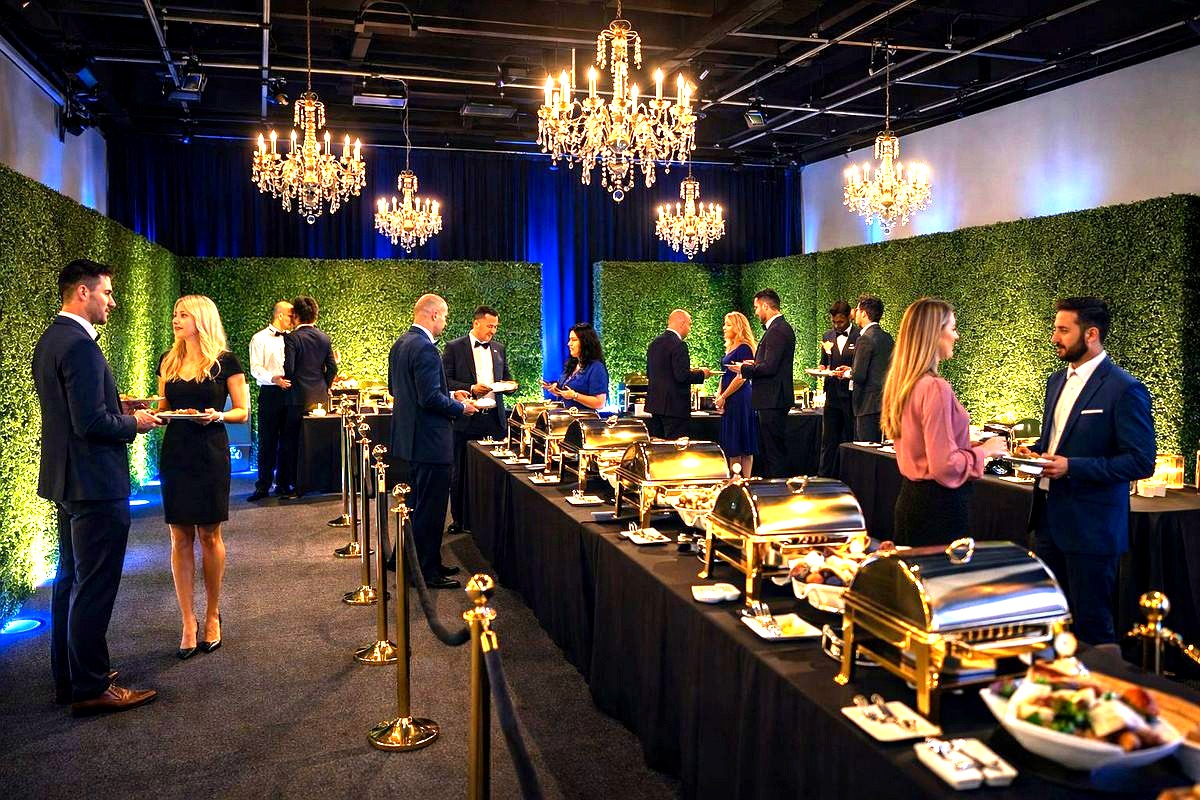
Every venue operates differently, but most event spaces within a 20–30 mile radius of Chantilly, VA share a common set of baseline inclusions. Think of these as the foundation—what you should expect to receive when you pay a venue rental fee.
The Physical Space and Basic Setup
At its most fundamental level, an event venue rental includes the right to use a designated space for a specific window of time. This typically means:
- Exclusive access to the event room(s) for your contracted hours, including setup and teardown time
- Climate control—heating and air conditioning so your guests are comfortable year-round
- Basic lighting—overhead or ambient lighting that keeps the space functional (note: decorative or stage lighting is usually separate)
- Restroom access for your guests, which should be clean, stocked, and ADA-compliant
- Parking—though the number of spaces and whether they’re free varies by venue
- Basic furniture—tables and chairs for your guest count are commonly included, but always confirm the style and quantity
In Northern Virginia, where many venues are located near the Dulles corridor, parking tends to be more generous than downtown DC locations. Venues along Route 28 and near Dulles South Court in Chantilly, for example, often offer large surface lots at no additional charge—a significant cost savings compared to urban venues that charge per-car fees.
On-Site Staff and Venue Coordination
Most reputable venues include some level of staffing in their base package. This doesn’t mean you get a full event planner, but you should expect:
- A venue coordinator or point-of-contact who handles logistics like room access, vendor load-in schedules, and day-of troubleshooting
- Maintenance or custodial staff for pre-event and post-event cleaning (though excessive cleanup may incur fees)
- Security—some venues include basic security; others require you to hire your own for events above a certain guest count
Ask specifically: ‘Will someone from your team be on-site during my entire event, or only during setup?’ The answer matters more than you think.
Wi-Fi and Basic Utilities
In 2026, reliable Wi-Fi isn’t a luxury—it’s a baseline expectation. Most event venues include standard Wi-Fi access, but there’s a critical distinction between guest-browsing Wi-Fi and production-grade bandwidth. If you’re planning to livestream, run a hybrid event, or have a social media activation wall, you’ll likely need to upgrade.
Electricity is included, but if your event requires high-power setups—think food trucks with generators, elaborate lighting rigs, or multiple LED walls—confirm that the venue’s electrical capacity can handle it without additional infrastructure costs.
What Typically Costs Extra at an Event Venue?
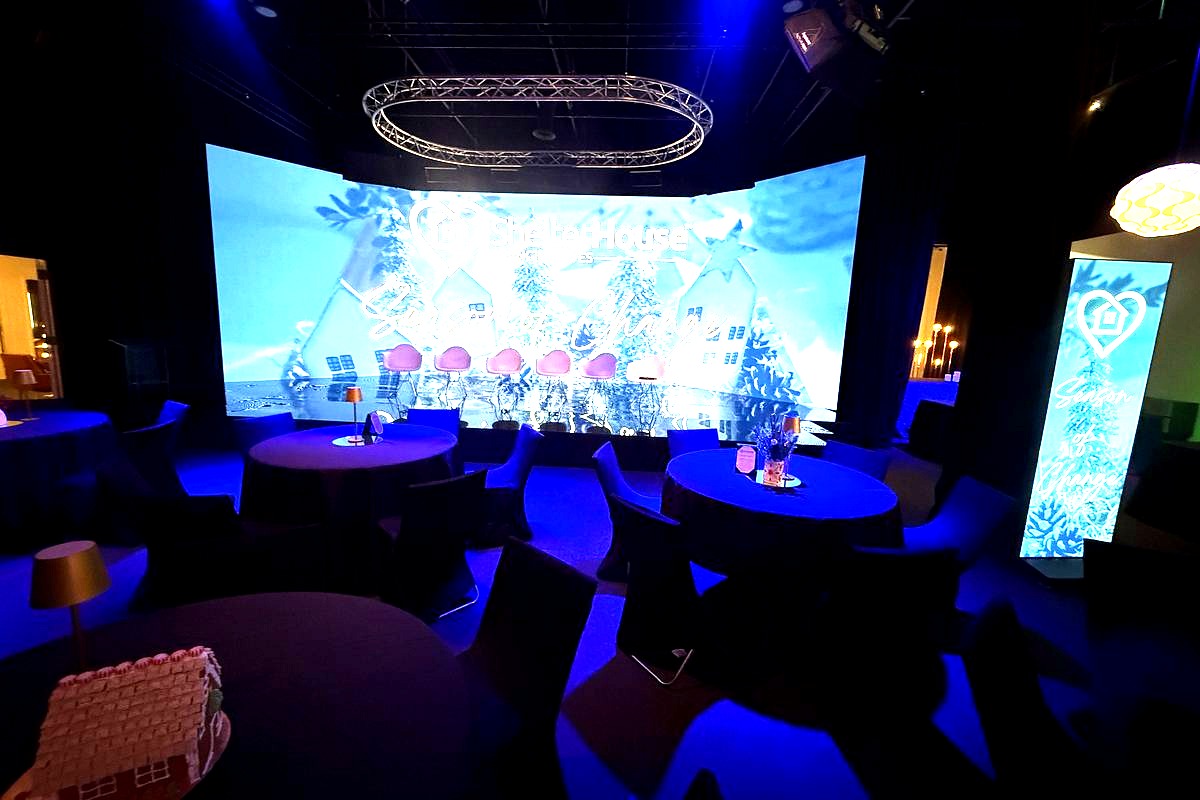
This is where first-timers get blindsided. The rental fee is only part of the total cost. Here’s a realistic breakdown of common add-ons and upgrades you should budget for separately.
Audio-Visual Equipment and Production
This is one of the biggest areas of confusion. Many venues advertise that they have AV capabilities, but what’s included versus what’s available for rent are two very different things.
- Microphones and basic sound systems—some venues include a podium mic or small PA system; others charge for any audio equipment
- Projectors and screens—often available but at an hourly or daily rental rate
- LED walls and video production—almost always an add-on, but a game-changer for corporate events, galas, and presentations
- Stage lighting and uplighting—decorative and theatrical lighting is nearly always extra
- Technical operators—if the venue has in-house AV, you may need to pay for a technician to run the equipment
Here’s an insider tip for anyone planning a corporate event or gala near Chantilly or Ashburn in 2026: venues that have built-in production infrastructure—like permanent LED video walls, integrated sound systems, and on-site AV teams—can actually save you money compared to renting from a third-party vendor and trucking gear into a bare-bones ballroom. The rental fee might look higher upfront, but the total cost of ownership is often lower.
Catering and Food Service
Event venues generally fall into one of three categories when it comes to food:
- In-house catering only—the venue has its own kitchen and culinary team, and you must use them. Pricing is per-head and separate from the room rental.
- Preferred vendor list—the venue allows outside catering, but only from an approved list of caterers they’ve vetted.
- Open catering (BYO)—you can bring any licensed caterer you want. This gives you the most flexibility but may come with a kitchen-use fee or catering surcharge.
In the Northern Virginia market—especially around Loudoun County, Fairfax County, and the Dulles South area—many modern venues offer open catering policies, which is a major advantage for planners who want ethnic cuisine, specialty dietary menus, or budget-conscious options.
Event Insurance and Liability
Most venues require you to carry event liability insurance, and this is not included in your rental fee. A standard one-day event insurance policy typically runs $150–$350 depending on your guest count and whether alcohol is being served. Some venues can add you to their existing policy for a fee—ask about this option.
Décor, Florals, and Custom Branding
Unless you’re booking an all-inclusive package, decorations are your responsibility. This includes:
- Centerpieces, linens, and table runners
- Custom signage and branded backdrops
- Balloon installations, floral arrangements, and props
- Red carpets, step-and-repeat banners, and photo booth setups
Some venues near the Chantilly and Centreville area offer partnerships with local décor vendors and can provide package deals—always ask if these relationships exist, as they often come with negotiated rates.
Extended Hours and Overtime
Your contract will specify a time window—say, 10 AM to 10 PM. If your event runs past the contracted time, expect to pay an hourly overtime fee that can range from $200 to $1,000+ per hour depending on the venue. Build a buffer into your timeline so this doesn’t catch you off guard.
The Questions Every First-Time Renter Must Ask Before Signing
Walking into a venue tour without a list of questions is like going to a car dealership without researching prices. Here are the non-negotiable questions you should ask every venue in the Chantilly–Ashburn–Centreville area before you commit:
- ‘What is included in the base rental fee—can I get an itemized list?’ Don’t accept vague answers. You want specifics: how many tables, how many chairs, what type, what hours, what staff.
- ‘What are the most common add-on costs your clients encounter?’ This question forces the venue to be transparent about hidden fees.
- ‘Do you have in-house AV, or do I need to hire a vendor?’ If in-house, ask what’s included versus rented. If outside vendors are required, ask whether there’s a preferred list or if the space has load-in restrictions.
- ‘What is your catering policy, and are there kitchen fees?’ Clarify whether you can bring outside food, if there’s a required minimum spend, and whether the venue charges a kitchen-use or cake-cutting fee.
- ‘What happens if my event runs overtime?’ Get the hourly rate in writing before you sign.
- ‘Is setup and teardown time included in my rental window, or is it extra?’ This one catches more first-timers than any other question. If your rental is 6 PM to 11 PM but setup starts at 3 PM, you may owe for those three extra hours.
- ‘What is your cancellation and rescheduling policy?’ In a post-pandemic world, flexibility matters. Understand the terms before you put down a deposit.
How to Spot a Great Venue Package vs. a Misleading One
Not all venue packages are created equal. Here’s how to evaluate what you’re actually getting.
Green Flags: Signs of a Transparent Venue
- They provide a written, itemized breakdown of everything included in the rental
- They openly discuss what costs extra without you having to pry
- They offer tiered packages (basic, standard, premium) so you can choose your level of inclusion
- They invite you for an in-person tour and walk you through the technical capabilities of the space
- They have on-site production infrastructure—LED walls, integrated sound, professional lighting—rather than an empty room that requires you to build everything from scratch
Red Flags: Signs You Might Get Surprise Charges
- The quoted price sounds too good to be true—it probably excludes critical line items
- They dodge questions about add-on costs or say ‘we’ll figure that out later’
- There’s no written contract or the contract is vague about inclusions
- They require you to use specific vendors at inflated rates with no alternatives
- The venue has no on-site technical staff, meaning you’re responsible for every aspect of production
A Real-World Example: What a Modern Northern Virginia Venue Includes
Let’s ground all of this in a local example. A modern event venue near Dulles South Court in Chantilly, VA—like Trivision Event Center—represents the newer generation of event spaces that bundle production-level technology into the venue experience. Here’s what a space like this typically includes that a traditional banquet hall does not:
- Built-in LED video walls that eliminate the need to rent and install separate screens—a savings of $2,000–$5,000 per event
- Professional-grade AV production equipment with on-site technicians who can run sound, lighting, and video so you don’t have to hire a third-party crew
- Flexible studio layouts that can be configured for conferences, galas, webcasts, podcasts, or hybrid events—all within the same facility
- High-speed, production-grade internet capable of supporting livestreaming and hybrid event platforms
- Open catering policies that let you choose your own food vendors
For first-time event organizers in Northern Virginia, a venue with this level of built-in infrastructure dramatically simplifies planning. Instead of coordinating five or six separate vendors for AV, lighting, staging, and internet, you work with one team that handles it all. That’s fewer contracts, fewer invoices, fewer points of failure, and—critically—a lower total cost.
Frequently Asked Questions
What does an event venue include in a basic rental package?
A basic event venue rental typically includes exclusive use of the event space for a set number of hours, standard tables and chairs, climate control, restroom access, parking, basic lighting, and a venue coordinator or on-site contact person. Wi-Fi access is also commonly included, though production-grade bandwidth may cost extra. The specifics vary by venue, so always request an itemized list before signing a contract.
Are tables, chairs, and linens included when you rent an event venue?
Tables and chairs are included at most venues, but the style and quantity vary. Some venues provide basic folding chairs and rectangular tables, while others offer upholstered banquet chairs and round tables at no extra charge. Linens, tablecloths, and chair covers are typically not included in the base rental and must be rented separately or provided by your caterer or décor vendor. Always confirm furniture specifications during your venue tour.
Do event venues provide AV equipment, or do I need to rent my own?
It depends entirely on the venue. Traditional banquet halls and hotel ballrooms often have minimal AV—perhaps a basic sound system and a pull-down screen. Modern production-ready venues, especially those in the Northern Virginia and Dulles corridor area, may include built-in LED walls, professional sound systems, stage lighting, and on-site technical staff. Venues with integrated AV save you the hassle and cost of hiring third-party production companies, which is especially valuable for corporate events, galas, and hybrid meetings in 2026.
Is catering included in event venue rental costs?
In most cases, catering is not included in the base venue rental fee. Some venues offer all-inclusive packages that bundle food and beverage with the space, but these are the exception rather than the rule. Many venues in the Chantilly, Ashburn, and Centreville area allow open or outside catering, giving you the freedom to choose your own food vendors. Be sure to ask about kitchen-use fees, minimum beverage spend requirements, and whether the venue charges a service fee on outside catering.
What hidden costs should I watch out for when renting an event venue?
The most common hidden costs include: overtime fees if your event runs past the contracted hours, setup and teardown charges if those hours aren’t included in your rental window, event liability insurance (required by most venues but not included), AV equipment rental and technician fees, parking fees for guests, cleaning fees for excessive post-event cleanup, and service charges or gratuity added to catering minimums. Ask the venue directly: ‘What are the most common add-on costs your clients encounter?’ to surface these charges before you commit.
How do I know if a venue is worth the price?
Compare venues not on base rental price alone but on total cost of ownership. A venue that charges $5,000 but includes built-in LED walls, professional AV, on-site technicians, flexible layouts, and open catering may cost far less overall than a $2,500 venue where you need to spend $4,000+ on third-party AV, lighting, staging, and production. Request detailed quotes from at least three venues within a 20–30 mile radius—comparing Chantilly, Sterling, Ashburn, and Centreville options—and add up every line item before making your decision.
Ready to See What’s Included for Yourself?
Now that you understand what does an event venue include—and more importantly, what to watch out for—you’re equipped to make a confident, informed decision for your 2026 event. The difference between a stressful planning experience and a smooth one often comes down to choosing a venue that’s transparent about costs and generous with inclusions.
If you’re planning a corporate event, gala, conference, or hybrid production in the Chantilly, Ashburn, Sterling, or Centreville area, Trivision Event Center offers a modern, production-ready venue with built-in LED walls, professional AV, flexible studio configurations, and an on-site team that handles the technical details so you don’t have to. No mystery fees. No scrambling for third-party vendors. Just a space designed to make your event exceptional.
Schedule a tour at Trivision Event Center and see exactly what’s included—before you sign anything.