
Why Every Corporate Planner Needs a Bulletproof Event Planning Checklist in 2026
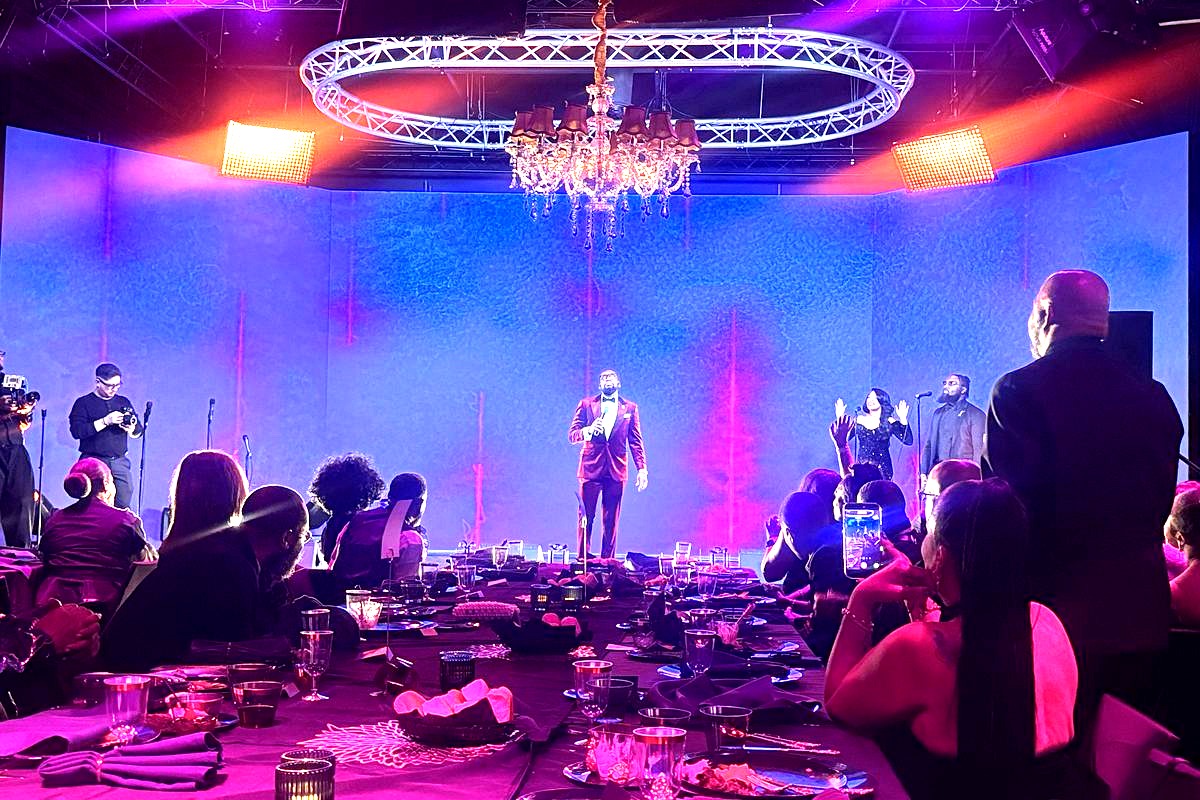
If you have ever reached event day only to realize the AV team was never sent a run-of-show, or that nobody confirmed dietary restrictions for the C-suite table, you already know the pain. Corporate events carry enormous reputational and financial stakes—according to a 2024 Bizzabo survey, 85% of business leaders consider in-person events critical to their company’s success—yet the margin for error is razor-thin when you are coordinating multiple stakeholders, tight budgets, and executive expectations simultaneously.
That is exactly why a structured, phase-by-phase event planning checklist for corporate planners is not a luxury—it is a survival tool. This 2026 edition is designed specifically for planners managing multi-stakeholder corporate events in the Northern Virginia region (roughly a 20–30 mile radius of Chantilly, VA), where venue options, vendor networks, and logistics all have their own local nuances. Whether you are planning a 50-person leadership summit or a 400-person awards gala, follow this checklist from start to finish and nothing will fall through the cracks.
Phase 1: Strategic Foundation (12–6 Months Out)
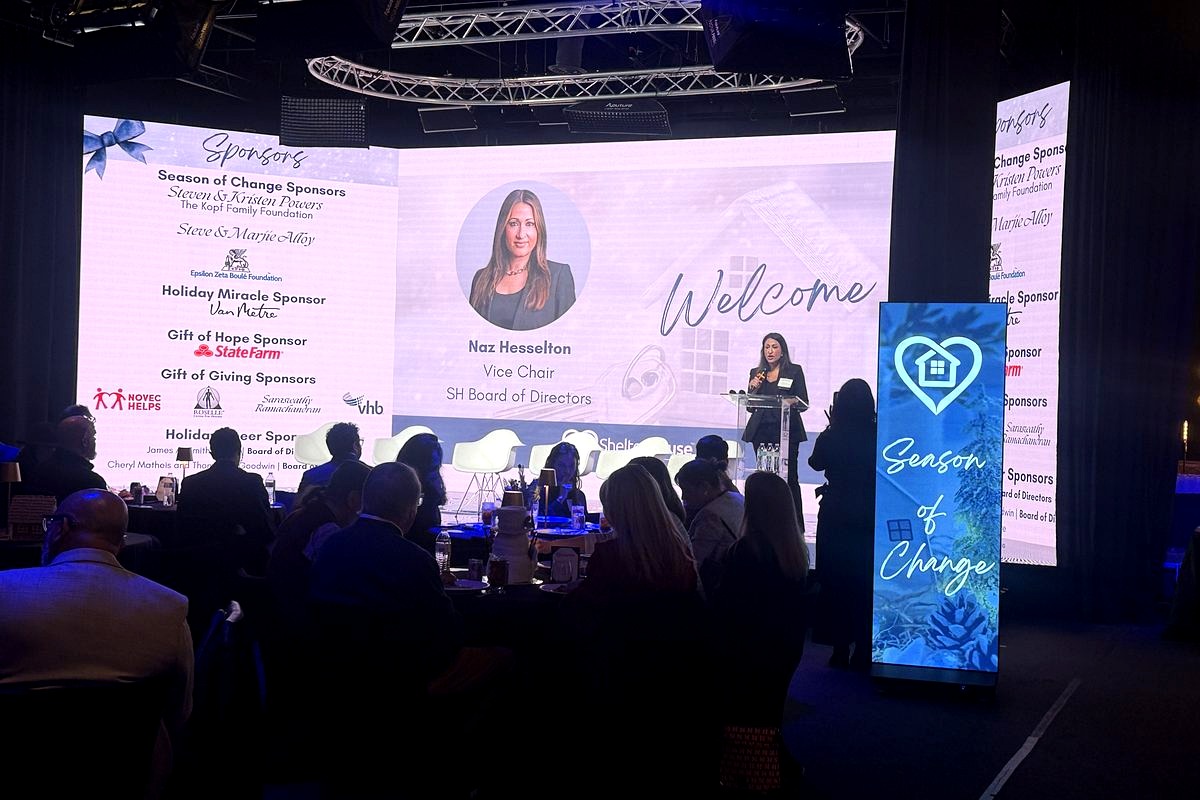
Before you tour a single venue or call a caterer, the strategic groundwork determines whether the event will actually deliver ROI. This phase is where most corporate event failures begin—not on event day, but months earlier when objectives were vague and stakeholders were misaligned.
Define Clear, Measurable Event Objectives
- Identify the primary purpose: Is this a product launch, annual meeting, client appreciation gala, leadership retreat, or fundraiser? The format drives every downstream decision.
- Set 2–3 measurable KPIs: Examples include attendee satisfaction scores above 4.5/5, 200+ qualified leads collected, or 95% C-suite attendance. Vague goals like ‘build awareness’ are not actionable.
- Align with organizational strategy: Meet with the executive sponsor to confirm how this event supports broader 2026 business goals—whether that is market expansion in the DC Metro area, employee retention, or investor relations.
Identify and Map Stakeholders
- Create a RACI matrix (Responsible, Accountable, Consulted, Informed) for every workstream: venue, catering, AV/production, content/programming, registration, marketing, and security.
- Establish a decision-making hierarchy: In multi-stakeholder corporate events, unclear authority causes delays. Determine who has final sign-off on budget, creative direction, and vendor contracts.
- Schedule recurring check-ins: Bi-weekly stakeholder calls during this phase, increasing to weekly as the event approaches.
Set and Structure the Budget
- Benchmark against industry data: In 2026, the average cost per attendee for a mid-scale corporate event in the Northern Virginia / DC Metro corridor ranges from $150 to $400, depending on production complexity and catering level.
- Build in a 10–15% contingency fund: Unexpected costs—rush shipping for signage, last-minute speaker travel, weather-related logistics changes—are inevitable.
- Separate fixed and variable costs: Venue rental, AV packages, and insurance are fixed. Catering, swag, and transportation scale with headcount.
Begin Venue Research and Shortlisting
- Define non-negotiable requirements: Capacity, date availability, proximity to Dulles International Airport (critical for events drawing out-of-town executives), on-site AV capabilities, and parking.
- Prioritize venues with integrated production: For corporate events in the Chantilly, Herndon, Centreville, Fairfax, Ashburn, and Reston corridor, venues that offer built-in LED walls, professional lighting, and sound systems save significant time and rental costs compared to sourcing third-party production.
- Schedule site visits for your top 3 venues: Always walk the space in person. Evaluate load-in access, green room availability, breakout room options, and Wi-Fi bandwidth (critical for hybrid components).
Phase 2: Vendor Selection and Contracting (6–4 Months Out)
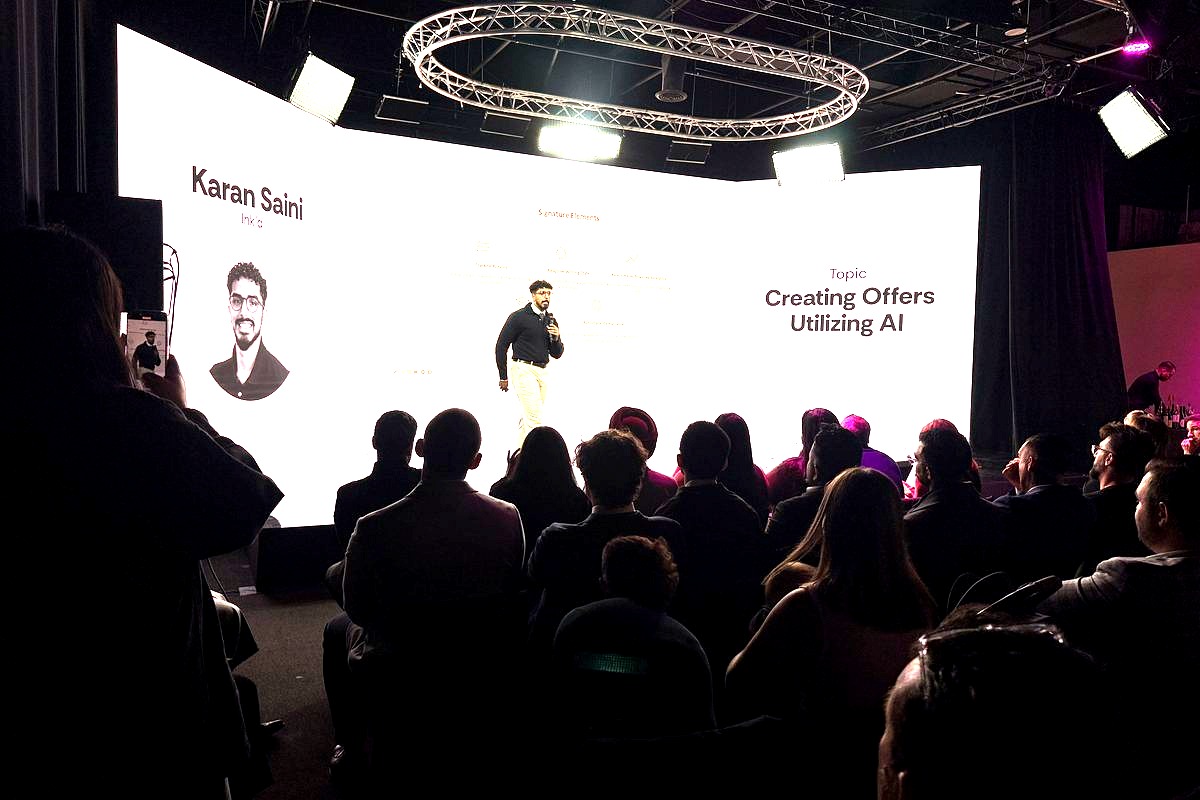
With your venue secured and objectives locked, this phase is about building the vendor team that will execute your vision. In a 20–30 mile radius around Chantilly, VA, you have access to an excellent network of caterers, AV professionals, florists, and entertainment providers—but booking early in 2026 is essential, especially for peak season dates (April–June and September–November).
Lock In Your Venue Contract
- Confirm rental hours including setup and teardown windows—not just the event window itself.
- Clarify what is included: tables, chairs, linens, on-site event manager, parking, AV equipment, and Wi-Fi.
- Review cancellation and force majeure clauses carefully. Post-pandemic, most corporate legal teams require specific language here.
- Confirm insurance requirements (most Northern Virginia venues require a minimum $1M general liability policy).
Select and Contract Key Vendors
- Catering: Request tastings for your top 2 providers. Confirm they can accommodate dietary restrictions at scale (vegan, gluten-free, halal, kosher). In the Chantilly/Fairfax area, many venues either offer in-house catering or maintain a preferred vendor list.
- AV and Production: If your venue does not include AV, source a production company experienced in corporate events—not weddings. Corporate AV requires confidence monitors, presentation switching, wireless mic management, and often live-stream or recording capabilities.
- Photography and Videography: Book a team experienced in corporate documentation. The deliverables should include executive headshots, candid networking shots, stage photography, and a 60–90 second highlight reel for post-event marketing.
- Transportation and Logistics: For events near Dulles, arrange shuttle service from nearby hotels (Marriott Dulles, Hyatt Regency Herndon, etc.) to reduce parking strain and improve the attendee experience.
- Entertainment or Speakers: If booking a keynote speaker or emcee, contracts should specify travel arrangements, tech riders, and content pre-approval by your executive sponsor.
Develop the Event Brand and Marketing Plan
- Create a cohesive visual identity: event logo, color palette, email templates, signage designs, and social media assets.
- Build a registration page with tiered ticket options if applicable (general admission, VIP, sponsor/exhibitor).
- Draft the initial invitation copy. For internal corporate events, send save-the-dates at the 4-month mark; for external-facing events, launch marketing at 3 months out.
Phase 3: Programming and Production Design (4–2 Months Out)
This is where the event transforms from a logistics exercise into an experience. The decisions you make here directly impact attendee engagement, executive satisfaction, and whether people actually remember your event six months later.
Build the Agenda and Run-of-Show
- Map the attendee journey hour by hour: Arrival and registration → opening remarks → keynote → breakout sessions → networking lunch → afternoon programming → closing remarks → reception. Every transition should be accounted for, including buffer time.
- Create a detailed run-of-show document: This is the master production document. It should include timestamps, speaker names, AV cues (slide changes, video playback, mic assignments), lighting cues, and stage directions. Share this with the venue, AV team, and stage manager at least three weeks before the event.
- Schedule speaker prep calls: Two calls minimum—one for content alignment and one for technical rehearsal (especially if presenters will use teleprompters, confidence monitors, or clickers).
Design the Room Layout and Production Elements
- Choose your seating configuration: Theater, classroom, rounds, hollow square, or a hybrid. The format should match the programming—rounds for discussion-heavy sessions, theater for keynotes.
- Plan LED wall and screen content: For venues with LED walls (like those found at modern Chantilly-area event centers), design content at the native resolution. Coordinate with the AV team on file formats, aspect ratios, and content deadlines.
- Specify lighting design: Corporate events benefit enormously from intentional lighting—branded uplighting during networking, focused stage lighting for presentations, and dimmed ambient lighting for galas. This is not an afterthought.
- Arrange signage and wayfinding: Lobby directional signage, registration desk banners, breakout room identifiers, restroom directions, and sponsor acknowledgment displays.
Finalize Registration and Attendee Communications
- Send formal invitations with complete event details, parking instructions, and dress code.
- Set up registration confirmation emails with calendar holds (.ics files).
- Create a pre-event information packet for VIPs and executives: agenda, venue address, parking map, Wi-Fi credentials, and key contact numbers.
- Establish an RSVP deadline (typically 2–3 weeks before the event) to lock catering counts.
Phase 4: Final Preparations and Rehearsal (2 Weeks to Event Day)
This is the phase where meticulous planning meets reality. The checklist here is about confirming, verifying, and stress-testing everything you have built.
Two Weeks Out
- Confirm final headcount and submit catering guarantee numbers.
- Distribute the final run-of-show to all vendors, stakeholders, and on-site staff.
- Confirm all vendor load-in times, parking assignments, and point-of-contact information.
- Print all materials: name badges, programs, table tents, signage, and emergency contact cards.
- Test all presentation files on the actual equipment if possible, or at minimum on identical hardware.
- Verify Wi-Fi bandwidth can handle your expected device load (plan for 1.5 devices per attendee as a baseline).
One Week Out
- Conduct a full walkthrough at the venue with your AV lead, catering manager, and event coordinator.
- Run a technical rehearsal for any live-streaming, hybrid, or recorded components.
- Brief all on-site staff and volunteers: roles, escalation procedures, emergency exits, and communication channels (walkie-talkies or a group messaging app).
- Send a final attendee reminder email with last-minute details: weather forecast, parking updates, and what to bring.
- Prepare a day-of emergency kit: extra batteries, gaffer tape, phone chargers, Sharpies, scissors, breath mints, Advil, and a printed copy of every contract and contact number.
Day Before
- Oversee venue setup: stage, seating, registration desk, signage, lighting, and AV.
- Do a final sound check and lighting walk with the production team.
- Confirm catering delivery timeline and staging area.
- Charge all radios, laptops, and backup devices overnight.
- Get sleep. Seriously. A rested planner makes better real-time decisions than a burned-out one.
Phase 5: Event Day Execution and Real-Time Management
You have planned meticulously. Now your job shifts from planner to conductor. The goal on event day is not to micromanage—it is to monitor, troubleshoot, and ensure every stakeholder feels the event is running effortlessly.
Morning-of Checklist
- Arrive at least 2 hours before the first attendee (3 hours for complex productions).
- Walk the entire space from the attendee’s perspective: entrance, registration, coat check, restrooms, main hall, breakout rooms, and catering stations.
- Verify all AV is operational—test every microphone, every slide deck, every video clip.
- Confirm catering is on schedule and dietary-restricted meals are clearly labeled.
- Brief your registration team on VIP arrivals and any special handling instructions.
- Do a final radio check with all key personnel.
During the Event
- Station yourself near the production table or backstage—not at a seat in the audience.
- Monitor the run-of-show in real time, calling out upcoming cues to your AV and stage teams.
- Have a designated social media person capturing content live (LinkedIn and Instagram are high-value channels for corporate event visibility in 2026).
- Keep a running log of issues and how they were resolved—this becomes your post-event debrief document.
- Check in with your executive sponsor at least twice during the event for real-time feedback.
Phase 6: Post-Event Follow-Through (1–4 Weeks After)
The event is not over when the last guest leaves. Post-event execution is what separates competent planners from exceptional ones—and it is where you build the case for next year’s budget.
Immediate Post-Event (48 Hours)
- Send thank-you emails to all attendees, speakers, sponsors, and vendors within 24 hours.
- Distribute a post-event survey (keep it under 10 questions, mix quantitative ratings with one open-ended question).
- Collect all photo and video assets from your documentation team.
- Settle all vendor invoices and reconcile the budget against actuals.
Within Two Weeks
- Compile survey results and calculate your KPIs against the benchmarks set in Phase 1.
- Create an internal post-event report: attendance numbers, budget summary, stakeholder feedback, media coverage, and recommendations for the next event.
- Host a debrief meeting with your core planning team and key vendors. Document what worked, what did not, and what you would change.
- Share highlight reel and event recap on the company website and LinkedIn.
Within One Month
- If the event was successful, begin preliminary conversations about the 2027 edition—including venue holds for preferred dates.
- Archive all files (contracts, run-of-show, creative assets, vendor contacts, budget spreadsheets) in a shared drive for institutional memory.
Frequently Asked Questions
How far in advance should corporate planners start using this event planning checklist?
For most mid-to-large corporate events in Northern Virginia, begin the strategic planning phase 12 months out, especially if your event falls during peak season (April–June or September–November). Smaller events—50 attendees or fewer with minimal production—can work on a compressed 4–6 month timeline, but you will have fewer venue and vendor options.
What is the most commonly overlooked item on a corporate event planning checklist?
Wi-Fi bandwidth. Corporate events increasingly rely on live polling, event apps, hybrid streaming, and real-time social media engagement. Many planners confirm that Wi-Fi exists but never test whether it can handle 200+ simultaneous device connections. Always request a bandwidth test from the venue at least two weeks before your event, and consider a dedicated network if your programming includes live streaming or large-scale video conferencing.
How do I manage multiple stakeholders who disagree on event direction?
Build your RACI matrix in Phase 1 and get written sign-off from the executive sponsor. When stakeholders disagree—on theme, catering style, speaker selection, or budget allocation—escalate to the person designated as Accountable in the RACI. Presenting options with trade-offs (e.g., ‘Option A costs $5K more but increases VIP satisfaction; Option B saves budget but limits entertainment’) helps depersonalize disagreements and focus the conversation on objectives and data.
What should I look for in a corporate event venue near Chantilly, VA?
Prioritize venues that offer integrated AV and production capabilities (LED walls, professional sound, adjustable lighting), flexible room configurations, proximity to Dulles International Airport (essential for out-of-town executives), ample parking, and an experienced on-site event coordination team. Venues that bundle production into the rental eliminate the complexity and cost of sourcing third-party AV vendors, which is particularly valuable for multi-stakeholder corporate events with complex programming.
Can this event planning checklist be used for hybrid or virtual corporate events?
Yes. The six-phase structure applies to hybrid and virtual events, but you will need to add specific workstreams: virtual platform selection and testing (Zoom Events, Hopin, or similar), remote attendee engagement strategy (live Q&A, polls, virtual networking rooms), dedicated camera and audio setup for the live-stream feed, and a separate technical rehearsal for remote presenters. The venue you choose should have experience supporting hybrid production, including dedicated internet lines and camera-friendly staging.
Set Your 2026 Corporate Event Up for Success
A thorough event planning checklist for corporate planners is the difference between an event that merely happens and one that elevates your organization’s brand, energizes your team, and delivers measurable business outcomes. Every phase—from the initial strategy sessions twelve months out to the post-event debrief—builds on the last, and skipping steps in the early phases inevitably creates chaos in the later ones.
If you are planning a corporate event in the Chantilly, Fairfax, Herndon, Ashburn, or greater Northern Virginia area in 2026, Trivision Event Center is built for exactly the kind of events this checklist describes. With state-of-the-art LED walls, integrated AV production, flexible studio configurations, and a location minutes from Dulles International Airport at 3856 Dulles South Ct, Chantilly, VA 20151, we eliminate the production complexity that makes corporate events stressful. Schedule a tour of Trivision Event Center and see how our space can bring your next corporate event to life—without a single item falling off your checklist.