
Why Even Seasoned Planners Struggle With Venue Selection
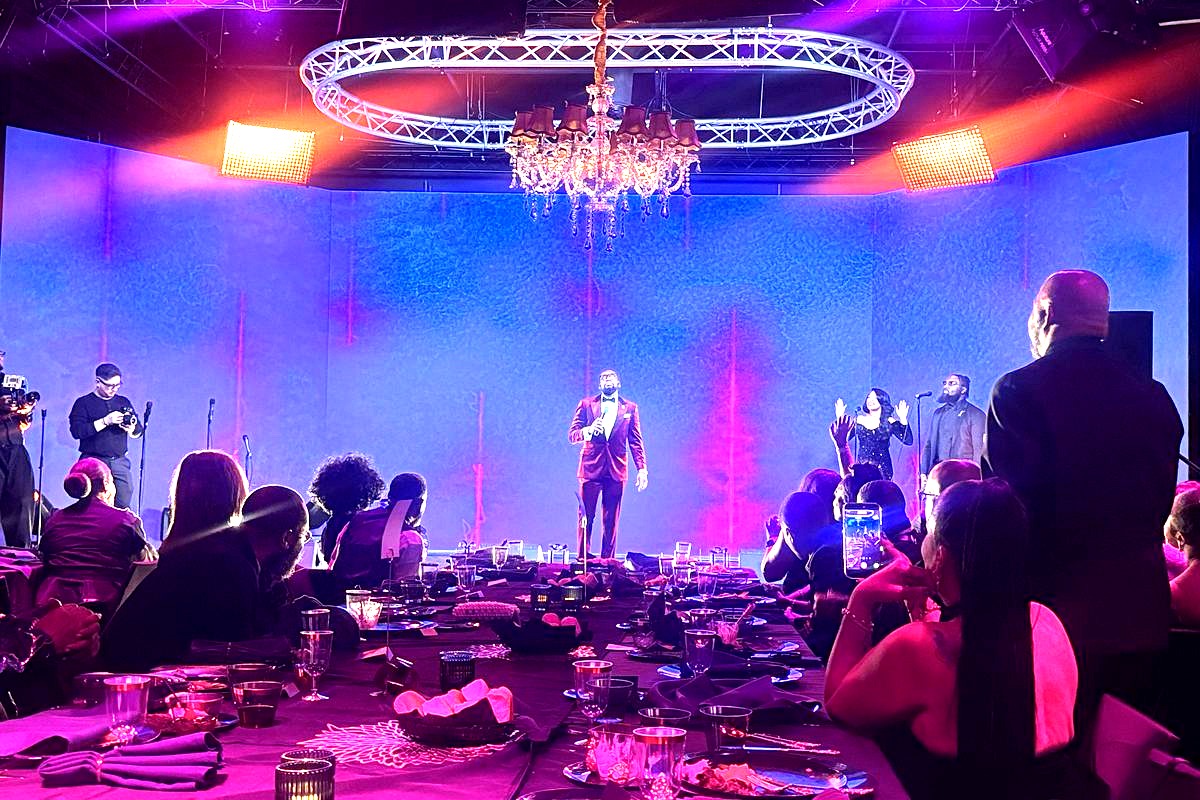
You have a budget, a date, and a vision — but somehow, choosing the right event venue still feels like solving a Rubik’s cube blindfolded. You are not alone. According to a 2024 survey by Eventbrite, nearly 63% of event professionals say venue selection is the single most stressful decision in the planning process, outranking catering, entertainment, and even budgeting. If you are planning an event in Northern Virginia in 2026, the stakes are even higher: the DC-area market is competitive, client expectations are sky-high, and one wrong venue choice can derail months of preparation.
That is exactly why we gathered event planner tips for choosing a venue directly from experienced professionals who work in the greater Chantilly, Herndon, Centreville, and Dulles corridor. These are not generic checklists. These are the personal heuristics, red flags, and non-negotiable deal-breakers that DC-area planners actually use when they are staking their reputation on an event. Whether you are a corporate meeting planner, a nonprofit gala coordinator, or an independent planner handling your first big 2026 event, these insights will change how you evaluate every venue you walk into.
The First 15 Minutes: How Pros Read a Venue Before the Tour Even Starts
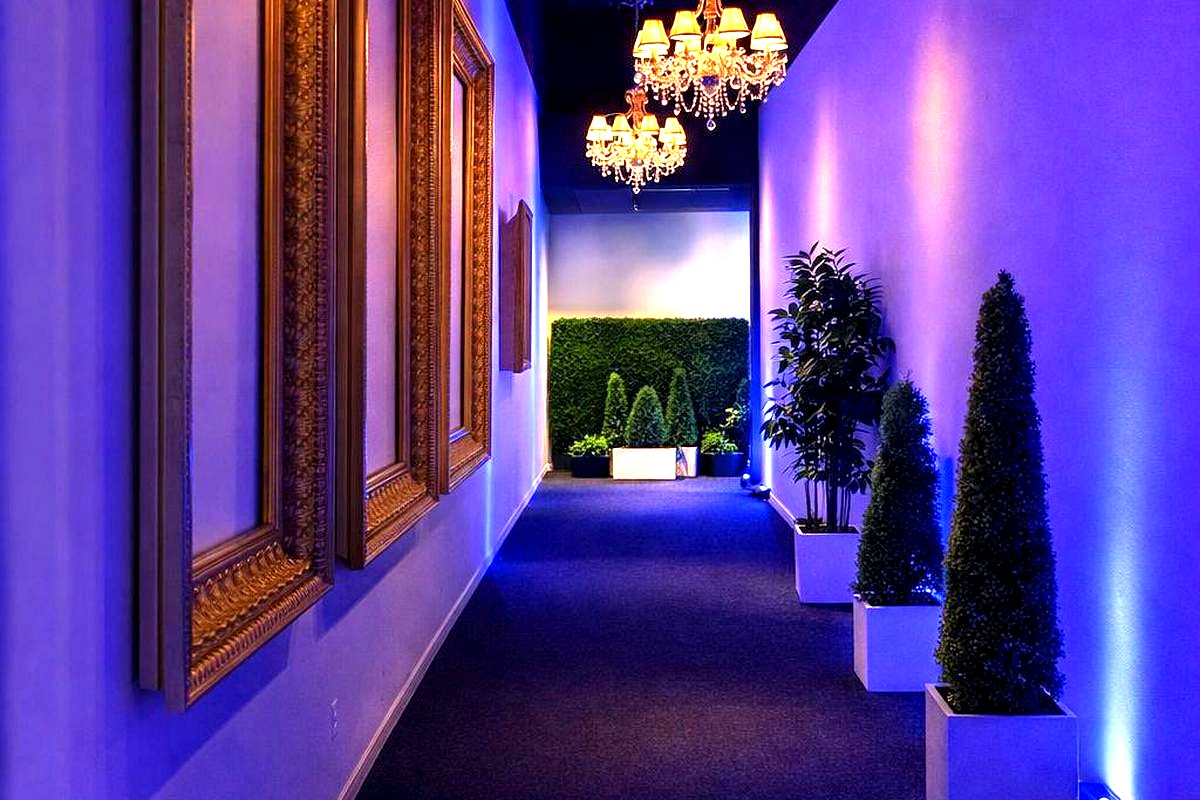
Experienced event planners do not wait for the sales manager to start the official tour. They start evaluating the moment they pull into the parking lot. Here is what DC-area pros told us they look for in those critical first minutes.
The Parking Lot and Entrance Tell You Everything
One Fairfax County-based planner with over 12 years of experience shared a blunt truth: ‘If I cannot find the entrance easily, neither can your guests. And if the parking lot feels sketchy at 2 PM on a Tuesday, imagine what it feels like at 9 PM during a gala.’
Pros pay attention to:
- Signage clarity: Is the venue clearly marked from the road? Are there directional signs for event parking?
- Parking capacity and accessibility: Especially for events of 150+ guests within 20 miles of the Dulles corridor, parking can be a hidden bottleneck.
- Loading dock or load-in access: How easy is it to unload AV equipment, décor, and catering supplies?
- First impression of the lobby or entryway: Does it feel modern and well-maintained, or dated and neglected?
These details matter because your guests will judge the event — and you — within seconds of arriving. A venue near major thoroughfares like Route 50 or Route 28 in the Chantilly and Centreville area that offers clean, well-lit access creates an immediate sense of professionalism.
The Responsiveness Test
Multiple planners mentioned the same pre-visit heuristic: they judge a venue by how quickly and thoroughly the sales team responds to initial inquiries. ‘If it takes them four days to reply to my email before I have even booked, how responsive will they be the week of my event when I need last-minute changes?’ said one planner who specializes in corporate conferences in the Dulles South Court area.
This is not a trivial concern. In 2026, clients expect seamless communication. Planners told us they typically reach out to 5–8 venues simultaneously and immediately eliminate any that take longer than 48 hours to respond or fail to answer specific questions in their initial reply.
The Five Deal-Breakers DC-Area Planners Will Not Compromise On
We asked every planner the same question: What is the one thing that makes you walk away from a venue, no matter how beautiful it is? Here are the five deal-breakers that came up repeatedly.
1. Inflexible Floor Plans
Events in 2026 are not one-size-fits-all. A planner working with tech companies in the Reston-to-Chantilly corridor explained: ‘I need a venue that can be a boardroom for 40 people at 9 AM and a cocktail reception for 200 by 6 PM. If the venue cannot transform, it cannot work for my clients.’
Rigid layouts — permanent stages, fixed seating, immovable walls — are instant disqualifiers for most professional planners. They seek modular spaces with movable partitions, open floor plans, and the ability to reconfigure seating, staging, and breakout areas on the fly.
2. Outdated or Insufficient AV Infrastructure
This was the most passionate deal-breaker among the planners we spoke with. The days of rolling in a projector on a cart are over. In 2026, event technology expectations include:
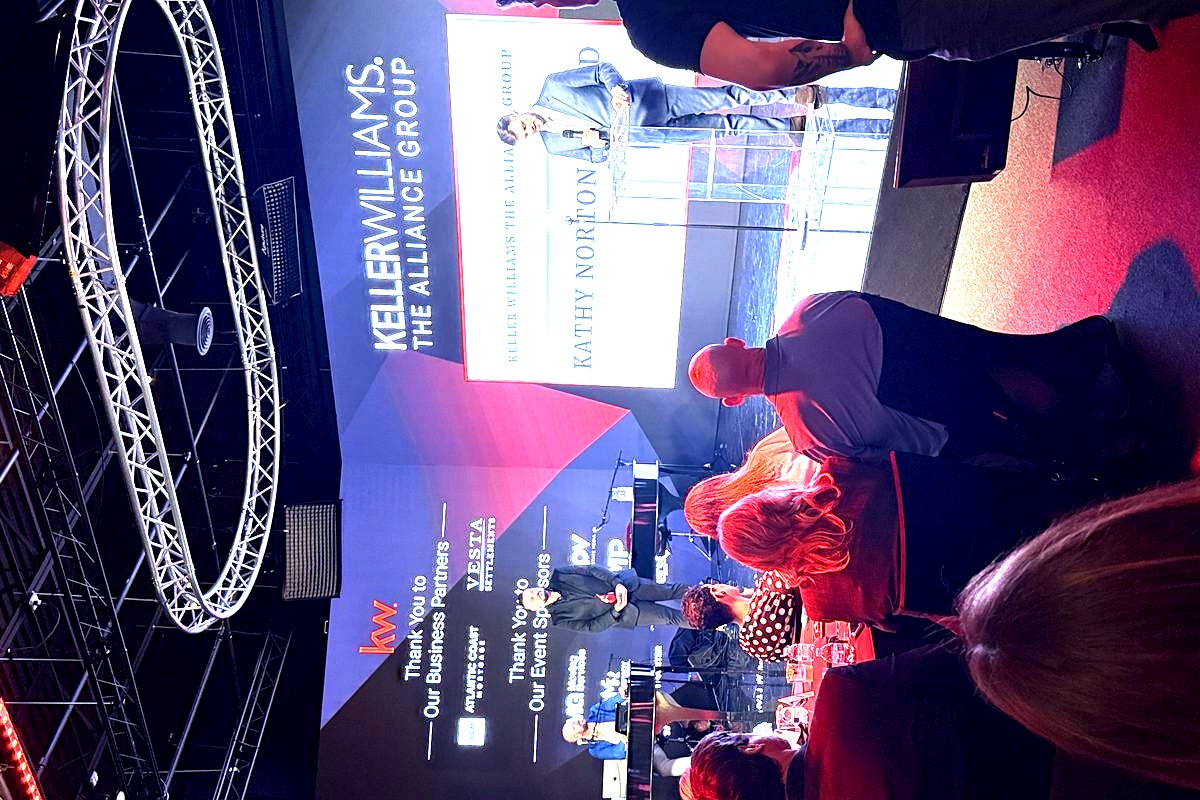
- Built-in LED video walls for dynamic presentations and branding
- Professional-grade sound systems with multiple zones
- Broadcast-quality lighting rigs that can shift from conference mode to gala ambiance
- Reliable, high-speed Wi-Fi capable of supporting 200+ simultaneous connections
- Hybrid event capabilities including multi-camera setups and live streaming infrastructure
‘I stopped recommending hotel ballrooms for corporate events three years ago,’ one Loudoun County-based planner shared. ‘My clients need venues that come with production-level AV already installed. Renting and trucking in equipment adds $10,000–$30,000 to the budget and creates logistical nightmares.’
3. Hidden Fees and Opaque Pricing
Planners guard their reputations fiercely, and nothing damages client trust faster than a venue invoice that comes in 30% over the quoted price. Pros look for:
- Transparent, itemized pricing provided upfront
- Clear policies on overtime charges
- No surprise fees for AV usage, Wi-Fi access, or furniture setup
- Honest conversation about what is and is not included
‘If I have to chase down the real cost through five emails and two phone calls, that venue is hiding something,’ one planner warned.
4. No On-Site Technical Support
Having great equipment means nothing if no one knows how to operate it. Experienced planners within the 20–30 mile radius of Chantilly consistently emphasized the need for dedicated, on-site AV technicians — not a general events coordinator who ‘kind of knows how the sound system works.’
A true production-ready venue provides trained technicians who can troubleshoot audio issues mid-keynote, adjust lighting between event segments, and manage live streaming feeds in real time.
5. Poor Location Relative to Guest Demographics
For events drawing attendees from across the DC metro area, location is not just about a street address. Planners evaluate:
- Proximity to major highways: Route 28, Route 50, I-66, and the Dulles Toll Road
- Distance from Dulles International Airport (IAD): Critical for events with out-of-town attendees
- Nearby hotels and restaurants: Guests need convenient lodging and dining within 10–15 minutes
- Drive time from DC, Arlington, Tysons, and Reston: Ideally under 30–40 minutes
The Chantilly-Centreville-South Riding corridor has emerged as a sweet spot for planners because it sits at the intersection of these considerations — accessible from both the Beltway and Dulles Airport without the premium pricing of downtown DC venues.
The Evaluation Framework Top Planners Actually Use
Beyond deal-breakers, seasoned planners rely on structured evaluation frameworks to compare venues objectively. Here is a composite framework based on the approaches shared with us by multiple DC-area professionals.
The Weighted Scorecard Method
Most planners do not just make a pros-and-cons list. They assign weighted scores to each factor based on the specific event type. Here is an example for a 2026 corporate conference:
- AV and technology infrastructure (25%): LED walls, sound, lighting, streaming capability
- Flexibility and layout options (20%): Modular spaces, breakout rooms, reconfiguration ease
- Location and accessibility (20%): Highway access, airport proximity, parking
- Cost and pricing transparency (15%): All-inclusive options, clear contracts, no hidden fees
- On-site staff and technical support (10%): Dedicated technicians, event coordinators
- Ambiance and aesthetics (10%): Modern design, lighting versatility, photo-worthy backdrops
For a nonprofit gala, the weighting shifts — ambiance might jump to 20% while AV infrastructure might drop to 15%. The key insight from planners is that the framework changes with every event, which is why cookie-cutter venue comparison tools rarely work.
The ‘Day-of Stress Test’
Several planners described a mental exercise they run during every site visit. They close their eyes and mentally walk through the entire event timeline — from the first vendor arrival at 7 AM to the last guest departure at 11 PM. They ask themselves:
- Where will the catering team set up? Is the kitchen accessible without crossing through the event space?
- Where do speakers go to prepare and mic up before their sessions?
- If the fire alarm goes off, where are the exits and how will 250 people evacuate?
- What happens if a keynote runs 20 minutes long — does that create an overtime charge?
- Is there a green room or private area for VIPs?
This mental simulation reveals logistical problems that glossy brochures and virtual tours cannot. One planner summed it up: ‘I do not just look at how pretty the space is. I look at how the space will perform under pressure.’
What Planners Wish Clients Understood About Venue Selection in 2026
The planners we spoke with had a few messages for event hosts and corporate clients who are selecting venues for 2026 events in Northern Virginia.
Book Earlier Than You Think
The Northern Virginia event market has tightened significantly. Planners recommend booking 4–6 months in advance for standard corporate events and 8–12 months ahead for large-scale galas or multi-day conferences. Prime dates on Friday and Saturday evenings in spring and fall book out fastest, especially at sought-after venues along the Dulles corridor.
Invest in Technology, Not Just Décor
‘Clients often want to spend $15,000 on floral arrangements but balk at investing in a high-end AV package,’ one planner shared. ‘Your guests will forget the centerpieces by Monday. They will never forget a keynote with a massive LED wall, crisp audio, and seamless live streaming that made the remote attendees feel like they were in the room.’
In 2026, technology is the décor. Immersive LED walls can display branded content, dynamic backgrounds, and live social media feeds — replacing the need for extensive physical decoration while creating a far more memorable experience.
Do Not Confuse ‘Cheap’ With ‘Good Value’
Planners consistently warned against selecting the lowest-priced venue without understanding what is excluded. A venue that charges $3,000 for the room but requires $20,000 in outside AV rentals, $2,000 in furniture rentals, and $1,500 in setup and breakdown fees is far more expensive than a venue that charges $8,000 all-inclusive.
The most strategic planners evaluate total cost of execution, not just the room rental rate. Venues with built-in AV production, included furniture and staging, and on-site technical staff often deliver significantly better value — and far less logistical stress.
Insider Venue Selection Tips You Will Not Find Elsewhere
Beyond the standard advice, here are some unconventional event planner tips for choosing a venue that surfaced during our conversations with DC-area professionals.
Visit During a Live Event (If Possible)
Several planners mentioned that they try to visit venues during an actual event — even if they can only peek in briefly or observe from the lobby. Seeing a venue under real-world conditions reveals things a staged tour never will: noise bleed between rooms, temperature regulation during high-occupancy events, and how the staff handles real-time problems.
Ask to Speak With a Recent Client
Just like checking references before hiring a contractor, pro planners ask venues for references from recent clients — ideally someone who hosted a similar type of event. If a venue hesitates to provide references, that tells you something important.
Check the Venue’s Social Media and Review Profiles
Planners look at Google reviews, but they also scan the venue’s Instagram and LinkedIn for recent event photos. ‘If the most recent event photos on their Instagram are from 2023, I wonder what has been happening since,’ one planner noted. Active social media with high-quality, recent event imagery signals a venue that is thriving and invested in its reputation.
Negotiate — But Negotiate the Right Things
Experienced planners know that most venues have limited flexibility on base rental rates, but significant flexibility on add-ons. Instead of asking for a lower price, they negotiate for:
- Extended setup or breakdown time at no additional cost
- Complimentary use of additional rooms for speaker prep or breakout sessions
- Upgraded AV packages or lighting options
- Waived fees for early load-in
This approach preserves the venue’s pricing integrity while delivering meaningful added value to the client.
Frequently Asked Questions
What are the most important event planner tips for choosing a venue in Northern Virginia?
The most important event planner tips for choosing a venue include evaluating AV and technology infrastructure first, verifying pricing transparency with no hidden fees, confirming the space can be reconfigured for your specific event layout, checking proximity to major highways and Dulles Airport, and ensuring the venue provides dedicated on-site technical support. DC-area planners recommend using a weighted scorecard method to objectively compare venues based on your event’s unique priorities.
How far in advance should I book an event venue in the Chantilly or Dulles area for 2026?
For standard corporate events in the Chantilly, Centreville, or Dulles corridor, planners recommend booking 4–6 months in advance. For large galas, multi-day conferences, or events targeting prime Friday and Saturday dates in spring or fall 2026, you should book 8–12 months ahead. Popular venues along the Dulles South Court and Route 28 corridor fill quickly due to their central location and modern amenities.
Why do event planners prioritize built-in AV technology over renting equipment?
Renting and transporting AV equipment can add $10,000–$30,000 to an event budget and introduces significant logistical risk — equipment compatibility issues, setup delays, and the need for additional technicians. Venues with built-in LED video walls, professional sound systems, broadcast lighting, and live streaming infrastructure eliminate these variables. Planners also value the reliability of permanently installed, tested systems operated by on-site technicians who know the equipment intimately.
What hidden costs should I watch for when booking a venue near Dulles?
Common hidden costs include overtime charges if your event runs past the contracted time, fees for Wi-Fi access or increased bandwidth, AV equipment usage fees beyond basic projector and screen, furniture rental charges for additional tables and chairs, mandatory security or cleaning fees, and gratuity or service charges added to catering minimums. Always request a fully itemized estimate and ask specifically what is not included in the quoted price.
How do professional event planners evaluate a venue during a site visit?
Professional planners begin evaluating before the tour even starts — checking parking, signage, and entrance accessibility. During the tour, they mentally simulate the entire event timeline from vendor load-in to guest departure, assessing kitchen access, speaker prep areas, emergency exits, and noise isolation between rooms. They test Wi-Fi speeds, examine lighting versatility, and ask pointed questions about staffing on the day of the event. Many also request references from recent clients who hosted similar events.
Choose a Venue That Performs as Hard as You Do
The best event planner tips for choosing a venue all point to one truth: a great venue does not just look impressive — it works flawlessly under the pressure of a live event. It has the technology to wow your audience, the flexibility to adapt to your vision, the staff to solve problems in real time, and the transparency to keep your budget intact.
Trivision Event Center, located at 3856 Dulles South Court in Chantilly, Virginia, was designed with exactly these principles in mind. Our modern, flexible studios feature built-in LED video walls, professional AV production infrastructure, dedicated on-site technicians, and modular spaces that transform to fit conferences, galas, corporate events, and everything in between. We are minutes from Dulles Airport, Route 28, and Route 50 — right in the heart of Northern Virginia’s most accessible event corridor.
If you are planning a 2026 event and want a venue that checks every box on the pro planner’s scorecard, schedule a tour at Trivision Event Center and experience the difference a production-ready venue makes.