
Convention Center vs Private Venue: The Decision That Shapes Your Entire Event
You have the budget approved, the date locked in, and the stakeholder expectations sky-high. Now comes the decision that will ripple through every detail of your 2026 event: convention center vs private venue—which one actually fits what you are trying to accomplish? According to the Events Industry Council’s 2024 Global Economic Significance Study, the business events sector generates over $1.5 trillion in global spending annually, and a growing share of that spend is shifting from traditional convention halls toward private, tech-forward venues that offer more creative control. If you are planning a conference, gala, product showcase, or large-scale corporate event within 20–30 miles of Chantilly, VA, this comparison will save you weeks of back-and-forth and potentially thousands of dollars in hidden costs.
This is not a generic pros-and-cons listicle. This is a detailed, experience-driven breakdown built for large-scale event planners who need to weigh the bureaucracy and scale of convention centers against the flexibility and personalization of private venues—especially in the Northern Virginia corridor around Dulles, Fairfax, Centreville, Ashburn, and Herndon.
Understanding the Fundamental Differences
What Exactly Is a Convention Center?
A convention center is a publicly or semi-publicly operated facility designed to host large gatherings—trade shows, expos, multi-day conferences, and political events. In the Northern Virginia region, examples include facilities like the Dulles Expo Center in Chantilly and larger options in downtown Washington, DC. Convention centers are characterized by:
- Massive square footage: Often 50,000+ sq ft of exhibition or meeting space, sometimes exceeding several hundred thousand.
- Municipal or institutional oversight: Many are run by government authorities or public-private partnerships, which means layers of approval, unionized labor requirements, and standardized rules.
- Bare-bones infrastructure: The space itself is typically a blank shell—concrete floors, exposed ceilings, basic HVAC—requiring you to bring in or contract everything from carpet to catering.
- Shared calendars: Multiple events may run concurrently in different halls, which creates competition for parking, loading docks, and attendee attention.
What Defines a Private Event Venue?
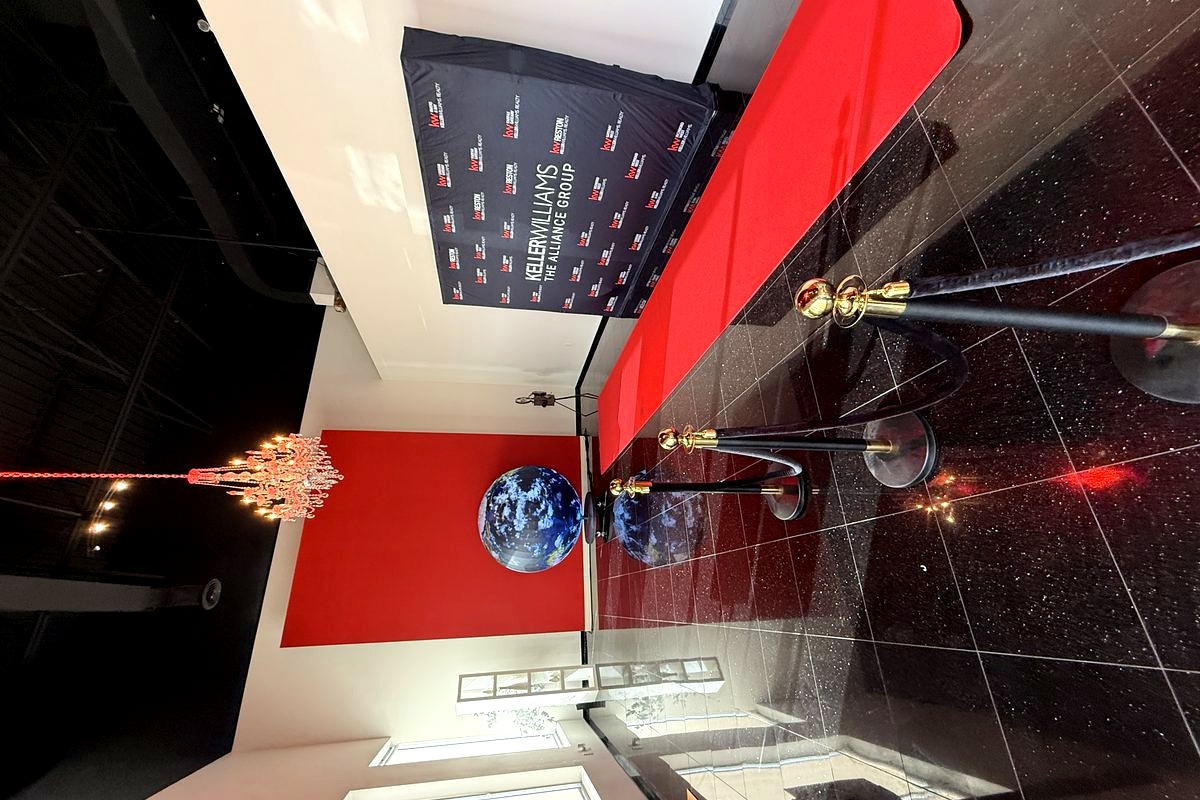
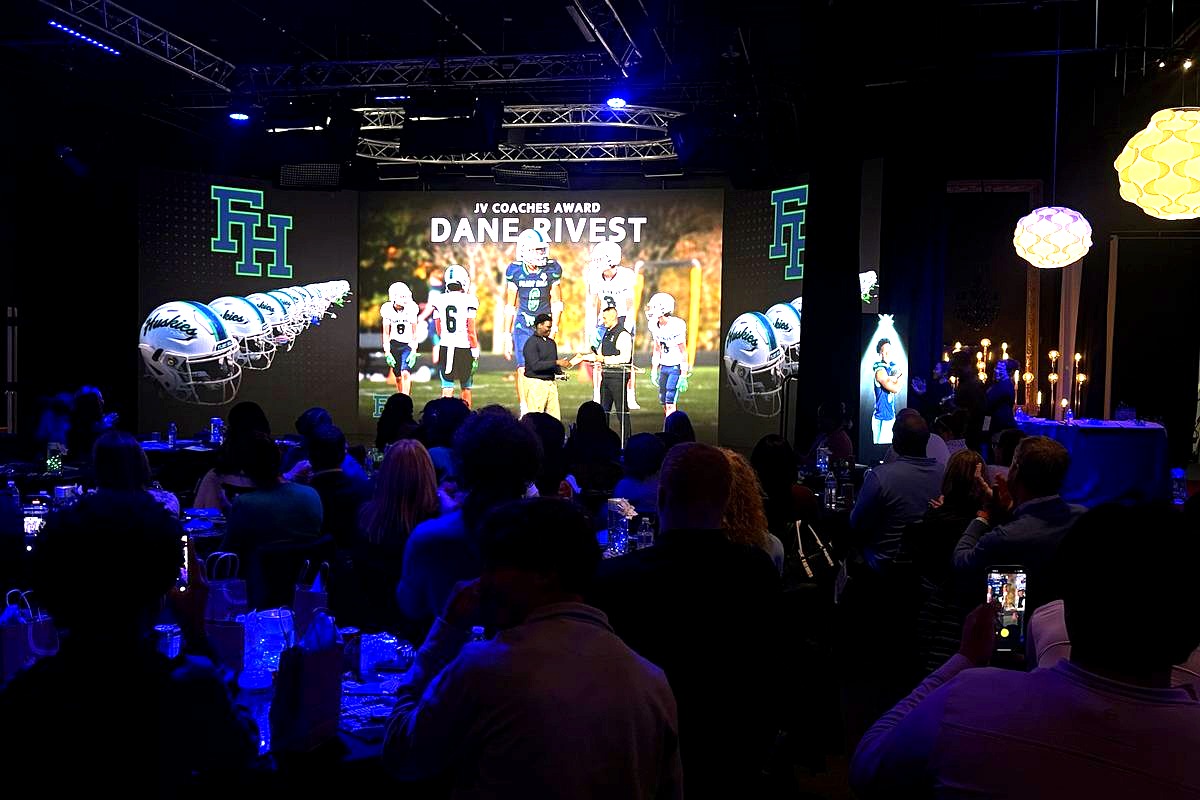
A private event venue is independently owned and operated, offering a dedicated, self-contained environment for your event. These range from boutique ballrooms to modern production studios. A venue like Trivision Event Center in Chantilly, VA, represents the upper tier of this category—purpose-built with LED video walls, professional AV production, flexible studio configurations, and a team that works directly with planners from concept to execution. Private venues typically feature:
- Exclusive-use booking: Your event is the only event happening that day. No competing signage, no shared lobbies.
- Integrated technology: Built-in AV, lighting rigs, staging, and sometimes live-streaming or hybrid event infrastructure.
- Direct communication: You deal with one team, one point of contact, one contract—not five different subcontractors managed through a facility coordinator.
- Curated ambiance: The design, lighting, and layout are already event-ready, reducing the need for extensive decor buildouts.
Convention Center vs Private Venue: Side-by-Side Comparison
Let us break down the major decision factors large-scale event planners face when choosing between a convention center and a private venue for 2026 events in the Chantilly, Fairfax, Ashburn, Herndon, and greater Dulles area.
1. Capacity and Scalability
Convention Center: If your event requires 5,000+ attendees, exhibit booths from 200 vendors, and multiple breakout rooms running simultaneously, a convention center may be the only option with enough raw square footage. These facilities are built for scale.
Private Venue: Private venues typically serve events from 50 to 1,000 attendees, though some—like Trivision Event Center—are designed to flex between intimate corporate meetings and large-format galas or conferences with several hundred guests. If your headcount falls within this range, a private venue delivers a significantly more polished experience per dollar spent.
The verdict: If you genuinely need arena-scale capacity, convention centers win. But many planners overestimate their space needs. A 300-person conference does not need a 100,000 sq ft hall—it needs a 5,000–10,000 sq ft room with exceptional production value.
2. Audio-Visual and Production Technology
Convention Center: Most convention centers provide four walls and a power grid. AV is almost always contracted through an exclusive or preferred vendor at premium rates. Bringing in your own AV provider often requires special approval, insurance riders, and sometimes a surcharge. The cost of renting projectors, screens, rigging, and sound in a convention center can easily reach $15,000–$50,000+ for a single day.
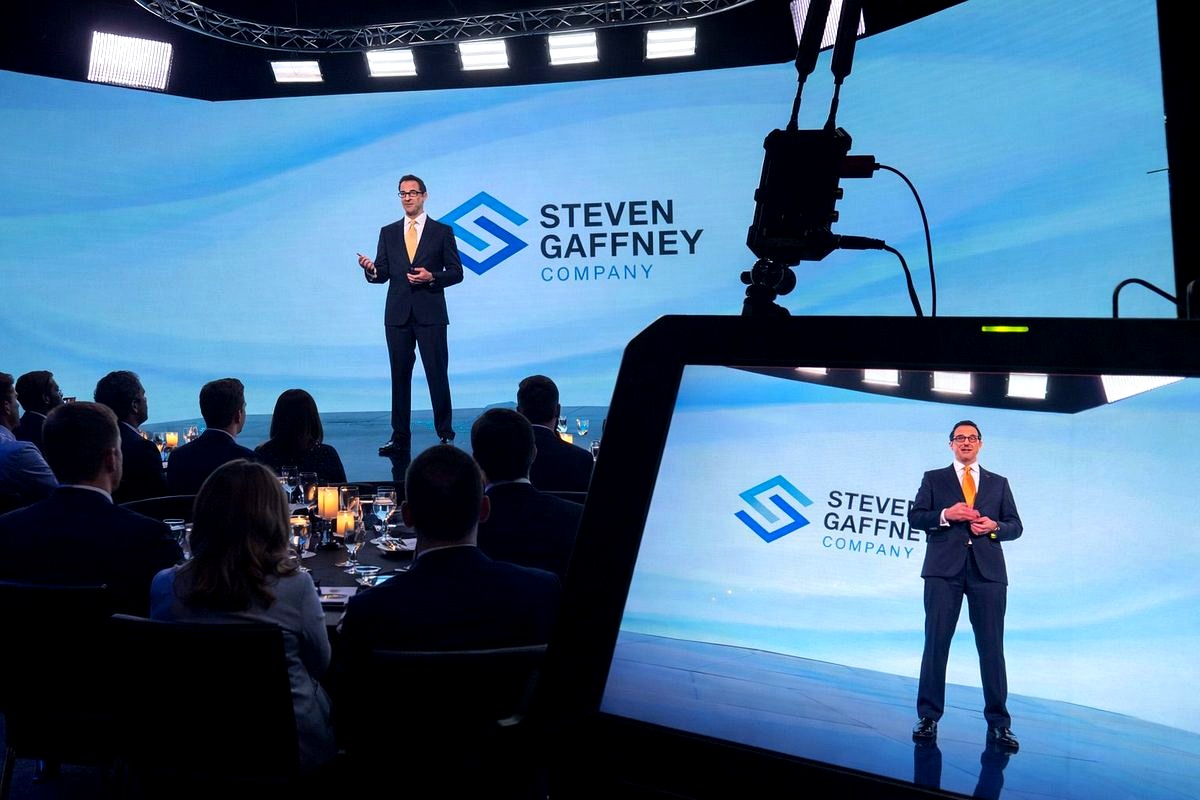
Private Venue: Modern private venues increasingly differentiate on technology. Trivision Event Center, for example, features permanent LED video walls, professional-grade lighting systems, multi-camera production capability, and hybrid/live-streaming infrastructure—all built into the facility. This means you are not renting gear from a third party; you are leveraging a production ecosystem that is already installed, tested, and staffed.
The verdict: For any event where presentation quality, branding, and audience engagement matter, a tech-integrated private venue offers vastly better value and reliability than bolting AV onto a convention hall.
3. Cost Structure and Hidden Fees
Convention Center: The published hall rental rate is just the beginning. Here is what typically gets added:
- Mandatory in-house labor for load-in/load-out (often union rates: $50–$150/hour per worker)
- Electrical hookup fees ($300–$1,500+ per drop)
- Internet/Wi-Fi packages ($500–$5,000 depending on bandwidth)
- Cleaning and damage deposits
- Exclusive catering surcharges or buy-out fees
- Security staffing requirements
- Parking lot rental or attendee parking fees
It is not uncommon for the final invoice from a convention center to be 2–3x the original quoted rental fee.
Private Venue: Private venues tend to offer more transparent, all-inclusive pricing. Many bundle AV, lighting, basic staffing, Wi-Fi, and parking into a single rate. At Trivision Event Center, the pricing conversation starts with what you actually need and builds a package around it—no surprise line items from third-party contractors you never chose.
The verdict: Dollar for dollar, private venues almost always deliver more predictable budgeting and better value for events under 1,000 attendees.
4. Booking Flexibility and Red Tape
Convention Center: Booking a convention center for a 2026 event often means navigating municipal scheduling systems, multi-month lead times for contract approval, city permitting for signage or alcohol service, and rigid cancellation policies. Want to adjust your floor plan two weeks out? Good luck—changes often require resubmission through a facilities coordinator with limited authority to make real-time decisions.
Private Venue: Private venues are nimble. You can often tour, negotiate, and sign within the same week. Floor plans can be adjusted collaboratively. Need to add a live-stream component or shift your room configuration from theater-style to banquet-style the day before? A responsive private venue handles this without bureaucratic friction.
The verdict: If your event plan is still evolving—or if you value the ability to pivot—a private venue removes an enormous amount of operational stress.
5. Location, Parking, and Accessibility
Convention Center: Convention centers in major metro areas (like downtown DC) offer public transit access but often come with expensive or limited parking. Centers near Dulles or in Chantilly offer more parking but may lack the modern fit-and-finish that today’s attendees expect.
Private Venue: A strategically located private venue like Trivision Event Center sits near the intersection of Route 50 and Route 28 in Chantilly, VA—minutes from Dulles International Airport, accessible from Fairfax, Centreville, Ashburn, Reston, Herndon, Manassas, and Leesburg. Free, ample on-site parking. No parking garage fees, no shuttle logistics, no Metro transfers.
The verdict: For events drawing attendees from across Northern Virginia, Maryland, and DC—especially those flying in through Dulles—a Chantilly-area private venue hits the geographic sweet spot without the urban parking headaches.
When a Convention Center Still Makes Sense
To be fair, there are legitimate scenarios where a convention center is the right call:
- Massive trade shows or expos with 100+ exhibitors requiring drive-in freight access and heavy rigging.
- Multi-day public-facing events where thousands of general-admission attendees need crowd-management infrastructure.
- Government or political events that require specific security protocols, ADA compliance at industrial scale, and public facility mandates.
- Events with pre-existing convention-center partnerships—some national organizations have contractual obligations to use specific facilities.
If none of these apply to your 2026 event, you are likely paying for infrastructure you do not need.
When a Private Venue Is the Clear Winner
For the majority of corporate events, galas, conferences, product launches, award ceremonies, and fundraisers in the Northern Virginia region, a private venue outperforms a convention center on virtually every metric that matters to planners and attendees:
- Brand immersion: You control every visual touchpoint—from the LED walls displaying your brand to the lighting that sets the tone. No competing signage from other events or facility branding.
- Production quality: Built-in AV means broadcast-grade presentations, seamless speaker transitions, and professional live-streaming without the cost of renting a production truck.
- Guest experience: Attendees notice the difference between a cavernous hall with temporary carpet and a purpose-designed event space with architectural lighting, comfortable climate control, and thoughtful acoustics.
- Operational simplicity: One contract. One team. One vision. No juggling a convention center facilities manager, an external AV company, a separate caterer, and a third-party decorator.
- Budget transparency: You know what you are paying before you sign. The total on the invoice matches the total you planned for.
Making the Right Choice for Your 2026 Event
The convention center vs private venue debate ultimately comes down to a few honest questions:
- How many attendees are you realistically expecting? If it is under 800, a private venue will almost certainly serve you better.
- How important is production value? If your event relies on presentations, video, branding, or live-streaming, integrated AV is not a luxury—it is a necessity.
- How much flexibility do you need? If your event is still being shaped by sponsors, speakers, or stakeholders, you need a venue partner, not a facility administrator.
- What is your true all-in budget? Add up every line item for a convention center—rental, AV, labor, electrical, catering, parking, insurance—and compare it honestly to a private venue quote. The numbers often speak for themselves.
- What experience do you want your attendees to remember? A convention hall says ‘we booked a space.’ A private production venue says ‘we created an experience.’
Frequently Asked Questions
What is the biggest difference between a convention center and a private venue?
The biggest difference is operational control. Convention centers are large, often publicly managed facilities where you rent raw space and coordinate multiple third-party vendors for AV, catering, and decor. A private venue like Trivision Event Center offers an integrated, all-in-one experience with built-in technology, dedicated staff, and flexible configurations—all managed through a single point of contact. For most corporate events, galas, and conferences in the Chantilly and Northern Virginia area, this translates to less stress, better production quality, and more predictable costs.
Is a private venue large enough for a major corporate conference?
Yes, many private venues accommodate conferences of 200–800+ attendees comfortably. Trivision Event Center in Chantilly, VA, features flexible studio spaces that can be configured for theater-style seating, banquet layouts, or hybrid setups with live-streaming. Unless your event exceeds 1,000 attendees or requires massive exhibition floor space, a private venue will typically deliver a superior experience compared to an oversized convention hall.
Are convention centers more affordable than private venues?
Not necessarily. While a convention center’s base rental rate may appear competitive, the total cost often balloons once you factor in mandatory labor fees, electrical hookups, AV rental from preferred vendors, Wi-Fi packages, parking fees, and security requirements. Private venues frequently bundle AV, lighting, Wi-Fi, parking, and staffing into a single transparent rate. For events under 1,000 attendees in the Northern Virginia area, private venues typically offer better overall value.
How far in advance should I book a private venue for a 2026 event?
For large-scale events in 2026, booking 6–12 months in advance is recommended, especially for peak seasons (spring and fall). Popular private venues near Chantilly, Fairfax, and Dulles fill quickly for weekend dates. However, one advantage of private venues is that the booking process itself is much faster than a convention center—you can often tour, negotiate, and finalize a contract within one to two weeks rather than navigating months of municipal scheduling approvals.
Can a private venue handle live-streaming and hybrid events?
Top-tier private venues absolutely can. Trivision Event Center was purpose-built with multi-camera production, LED video walls, professional lighting, and high-bandwidth internet for live-streaming and hybrid event formats. At a convention center, you would need to rent all of this equipment separately and hire a production crew—often at a cost that exceeds the venue rental itself. If hybrid or virtual reach is part of your 2026 event strategy, a production-ready private venue is the smarter choice.
What types of events work best at a private venue near Chantilly, VA?
Private venues in the Chantilly and greater Dulles area excel at corporate conferences, product launches, award ceremonies, fundraising galas, executive retreats, holiday parties, and hybrid events. Any event where brand presentation, attendee experience, and production quality are priorities will benefit from the controlled environment, integrated AV, and personalized service that a private venue provides over a conventional exhibition hall.
The Bottom Line: Choose the Venue That Matches Your Vision
The convention center vs private venue conversation is not about which option is universally better—it is about which option is better for your specific event. If you are coordinating a 10,000-person trade expo, a convention center is built for that. But if you are planning a 2026 corporate conference, gala, product launch, or hybrid event for 100–800 attendees in the Northern Virginia region, a private venue will almost always deliver a more polished experience, more integrated technology, more responsive service, and a more honest price tag.
Trivision Event Center in Chantilly, VA, was designed for exactly this kind of event. With LED video walls, full AV production, flexible studio layouts, and a location minutes from Dulles Airport and the major corridors of Fairfax County, it offers everything a convention center promises—minus the bureaucracy, the hidden fees, and the impersonal scale. Schedule a tour or request a quote today and see why large-scale event planners across Northern Virginia are choosing private over conventional for 2026.