
Your Event Deserves a Space That Adapts—Not the Other Way Around
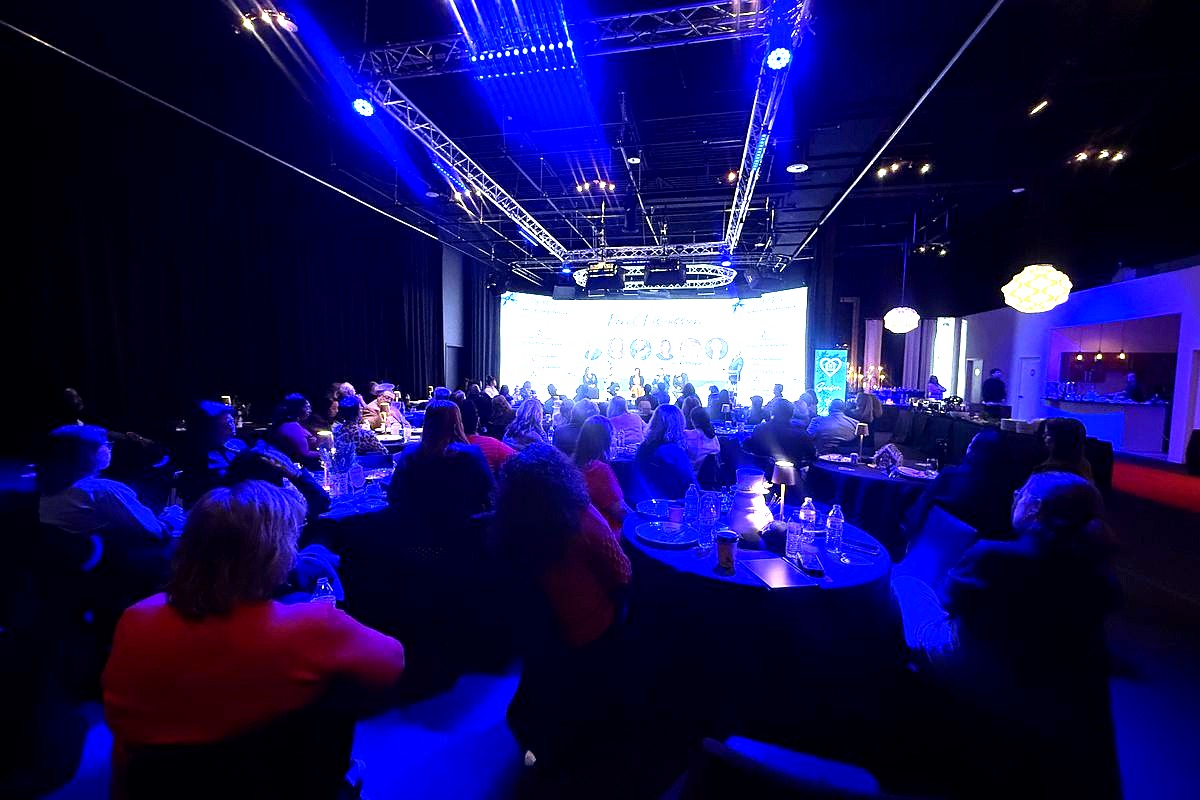
You have spent weeks planning the perfect corporate gathering, only to walk into the venue and realize the room cannot accommodate your breakout sessions, your stage setup, and your networking lounge—at least not without awkward compromises. Sound familiar? If you have ever wrestled with a rigid venue layout, you already understand the frustration that drives event planners to ask: what is a flexible event space, and how can it solve this exact problem?
According to the 2025 Global Meetings and Events Forecast by American Express GBT, 73% of event planners now rank venue flexibility as a top-three factor in site selection—up from just 48% five years ago. As we move into 2026, the demand for adaptable, multi-use environments is accelerating faster than ever. Whether you are planning a 50-person board retreat or a 500-guest gala within 20–30 miles of Chantilly, VA, understanding what makes a space truly flexible can save you money, reduce stress, and elevate the experience for every attendee.
In this comprehensive guide, we will break down exactly what a flexible event space is, explore the design elements that make it work, explain why flexibility is the defining venue trend for 2026, and help you evaluate whether a flexible venue near Dulles is right for your next event.
What Is a Flexible Event Space? A Clear Definition
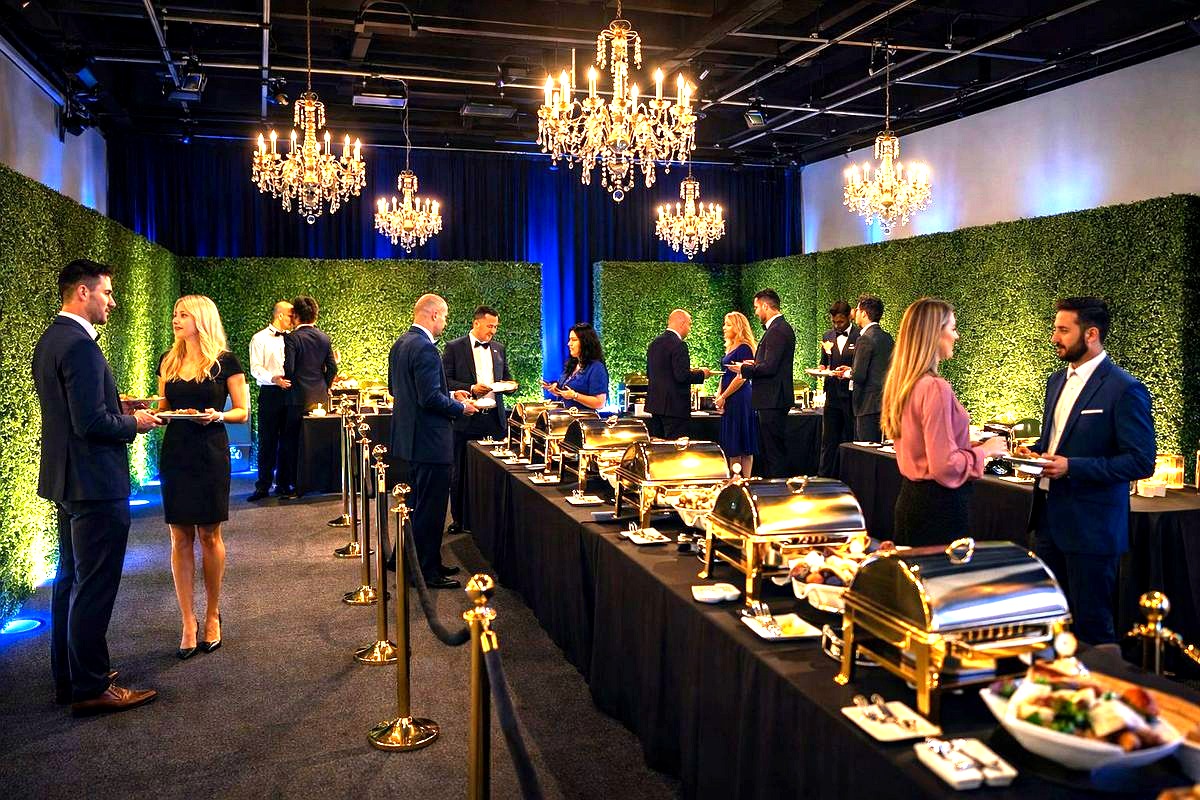
A flexible event space is a venue intentionally designed to transform its physical layout, technology infrastructure, and functional zones to accommodate different event types, audience sizes, and programming needs—often within the same day. Unlike traditional banquet halls or hotel ballrooms that lock you into a fixed floor plan with permanent stages, bolted-down furniture, and rigid room divisions, a flexible event space treats adaptability as a core design principle rather than an afterthought.
The Three Pillars of Flexibility
True venue flexibility rests on three interconnected pillars:
- Spatial Flexibility: The physical ability to reconfigure the room. This includes movable walls (also called operable partitions), modular furniture, retractable seating, and open floor plans that allow square footage to be divided or combined as needed.
- Technological Flexibility: Integrated AV systems, LED walls, lighting rigs, and sound infrastructure that can be repositioned, scaled, or reprogrammed for different event formats—from an intimate panel discussion to a full-scale product launch.
- Operational Flexibility: Venue policies and staffing models that support quick turnovers, multiple event configurations in a single day, and custom catering or vendor arrangements rather than rigid, one-size-fits-all packages.
When all three pillars work together, you get a venue that feels purpose-built for your specific event—every single time.
Key Design Elements That Make an Event Space Truly Flexible
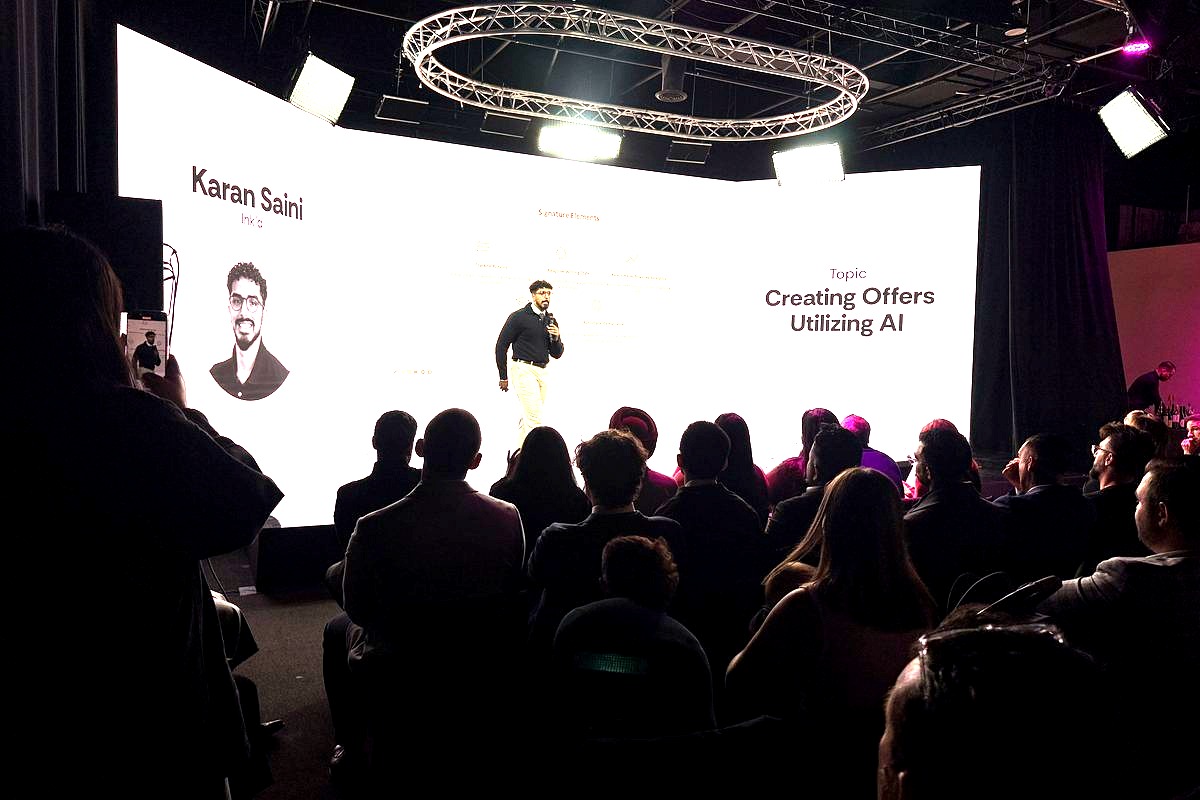
Not every venue that claims to be flexible actually delivers. Here are the specific design elements and infrastructure features you should look for when evaluating a flexible event space near Chantilly, Centreville, Fairfax, Herndon, or anywhere within the Dulles corridor.
Movable Walls and Operable Partitions
Movable walls are the backbone of spatial flexibility. High-quality operable partitions—often floor-to-ceiling, sound-rated panels on ceiling-mounted tracks—allow a single large hall to be divided into two, three, or even four independent rooms. This means you can host a keynote presentation for 400 people in the morning, then split the space into four breakout rooms of 100 after lunch, all without changing venues.
- Sound-rated partitions (STC 50+) ensure that simultaneous sessions do not bleed audio into one another.
- Quick deployment—the best systems can be reconfigured in under 15 minutes by venue staff.
- Aesthetic integration—modern partitions blend seamlessly with the room’s design, avoiding the dated, accordion-style dividers of decades past.
Modular Furniture and Open Floor Plans
Fixed seating is the enemy of flexibility. Truly adaptable venues use lightweight, stackable, or nesting furniture that can be rapidly arranged into theater-style rows, classroom configurations, banquet rounds, U-shapes, hollow squares, or completely cleared for cocktail-style mingling.
Open floor plans with minimal load-bearing columns are equally critical. Columns create sight-line obstructions and limit layout options. The best flexible venues in Northern Virginia feature column-free spans of 3,000 square feet or more, giving planners a blank canvas to work with.
Integrated LED Walls and Scalable AV Infrastructure
A flexible event space in 2026 is not just about moving chairs around—it is about transforming the entire sensory environment. Integrated LED video walls can serve as presentation screens during a conference, immersive décor backdrops during a gala, or branded content displays during a product launch. Unlike projectors, LED walls deliver vibrant visuals in any lighting condition and can be configured in custom sizes and aspect ratios.
Scalable AV infrastructure also includes:
- Distributed audio zones with independent volume control for different sections of the room.
- Pre-wired power and data drops at multiple points across the floor, eliminating unsightly cable runs.
- Rigging points in the ceiling grid for lighting, speakers, and scenic elements.
- Control rooms or production booths for live switching, live streaming, and audio mixing.
Adaptive Lighting Systems
Lighting transforms mood faster than any other design element. Flexible venues feature programmable LED lighting systems that can shift from cool, bright daylight tones for a morning workshop to warm, dramatic amber washes for an evening reception—at the press of a button. Color-changing uplighting, moving heads, and spotlight systems allow the same room to feel like a boardroom at 9 a.m. and a ballroom at 7 p.m.
Multi-Use Support Spaces
Flexibility extends beyond the main event hall. Look for venues that include:
- Green rooms that double as VIP lounges or speaker prep areas.
- Pre-function lobbies for registration, cocktail hours, or sponsor activations.
- Separate production or studio spaces that can be used for live streaming, content creation, or overflow seating.
Why Flexibility Is the Top Venue Trend for 2026
The shift toward flexible event spaces is not a passing fad—it is a structural change in how organizations plan, budget, and execute events. Here is why flexibility has become the defining venue trend heading into 2026.
Hybrid and Multi-Format Events Are the Norm
The pandemic permanently changed audience expectations. In 2026, most corporate conferences, association meetings, and large-scale galas incorporate at least some virtual or hybrid component. A flexible venue with built-in live-streaming capabilities, multiple camera angles, and dedicated production infrastructure makes hybrid execution seamless rather than bolted on.
Budget Efficiency Demands Versatility
Renting separate spaces for your ceremony, reception, breakout sessions, and production needs is expensive and logistically painful. A flexible event space consolidates all of these functions under one roof, reducing venue costs, vendor coordination, and transition time. For organizations in Fairfax County, Loudoun County, and the broader Northern Virginia region, this consolidation can translate to 20–35% savings on total venue-related expenses.
Attendee Expectations Have Evolved
Today’s event attendees—especially in the corporate, tech, and association sectors that dominate the DC metro area—expect immersive, Instagram-worthy experiences. They want dynamic environments, not static hotel ballrooms. Flexible venues with LED walls, programmable lighting, and modular staging deliver the kind of visual impact that drives social sharing and positive post-event feedback.
Faster Turnarounds Enable More Revenue Opportunities
From a venue operator’s perspective, flexibility is also a business model advantage. A space that can flip from a morning corporate training to an evening social gala creates more booking windows. For event planners, this means more availability and often more competitive pricing—especially for mid-week or off-peak bookings near the Dulles corridor.
Flexible Event Space vs. Traditional Venue: A Side-by-Side Comparison
To make the distinction concrete, here is how a truly flexible event space stacks up against a traditional banquet hall or hotel ballroom:
- Layout Options: Flexible spaces offer 5–10+ configurations (theater, banquet, classroom, cocktail, U-shape, hybrid studio, etc.). Traditional venues typically offer 2–3 fixed options.
- Technology: Flexible venues feature integrated LED walls, professional AV, and live-streaming infrastructure as standard. Traditional venues often require you to rent all AV equipment from third-party vendors at additional cost.
- Turnaround Time: Flexible venues can reconfigure in 15–30 minutes between sessions. Traditional venues may need hours or require overnight resets.
- Ambiance Control: Programmable lighting and video walls allow unlimited atmosphere changes. Traditional venues rely on fixed chandeliers and basic dimmer switches.
- Cost Transparency: Flexible venues often bundle AV, lighting, and production into the rental, reducing surprise line items. Traditional venues frequently charge à la carte for every piece of equipment.
- Event Types Supported: A single flexible venue can host conferences, galas, product launches, film shoots, live broadcasts, and social celebrations. Traditional venues are typically optimized for one or two event types.
How to Evaluate a Flexible Event Space Near Chantilly, VA
If you are searching for a flexible event space within 20–30 miles of Chantilly, VA—covering areas like Centreville, Herndon, Reston, Ashburn, Leesburg, Manassas, and Fairfax—here is a practical evaluation framework:
1. Request Multiple Floor Plan Options
Ask the venue to provide at least three different floor plan configurations for your expected guest count. A truly flexible space will have these ready to share, often with 3D renderings or virtual walkthroughs.
2. Test the AV Infrastructure Yourself
During your site visit, ask for a live demo of the LED walls, sound system, and lighting. Can the team change the entire room’s mood in under five minutes? If the answer is yes, you are looking at genuine technological flexibility.
3. Ask About Same-Day Turnovers
Can the venue support a conference during the day and a gala-style dinner that evening—in the same room? The ability to execute same-day turnovers is a hallmark of true operational flexibility.
4. Evaluate Column-Free Square Footage
Measure the unobstructed floor area. Columns, permanent stages, and built-in bars all reduce your usable layout options. The more open the floor plan, the more configurations are possible.
5. Confirm Vendor Flexibility
Some venues restrict you to approved catering and décor vendors. A flexible venue should allow you to bring in your preferred vendors—or offer in-house options that are genuinely customizable.
6. Check Accessibility and Parking
Flexibility also means accessible design. Ensure the venue is ADA-compliant, has adequate parking for your guest count, and is conveniently located near major highways like Route 50, Route 28, or the Dulles Toll Road for guests traveling from across Northern Virginia and the DC metro area.
Frequently Asked Questions About Flexible Event Spaces
What is a flexible event space?
A flexible event space is a venue designed to reconfigure its layout, technology, and functional zones to accommodate different event types and audience sizes. Key features include movable walls, modular furniture, integrated LED walls, scalable AV infrastructure, and programmable lighting systems. Unlike traditional venues that force you to adapt your event to the room, a flexible space adapts the room to your event.
How is a flexible event space different from a banquet hall?
A banquet hall typically has a fixed layout optimized for seated dinners and receptions. A flexible event space offers multiple configurations—theater, classroom, cocktail, boardroom, hybrid studio, and more—often with integrated AV production, LED walls, and adaptive lighting that a traditional banquet hall lacks. The distinction is especially important for multi-segment events that require different setups throughout the day.
What types of events work best in a flexible venue?
Flexible venues excel at corporate conferences, product launches, galas, fundraisers, hybrid events, trade shows, training seminars, film and video productions, and social celebrations. Their adaptability makes them suitable for virtually any event format. In the Northern Virginia market, we see particular demand from government contractors, tech companies, and nonprofit organizations that need spaces capable of handling complex, multi-format programming.
Are flexible event spaces more expensive than traditional venues?
Not necessarily. While the base rental rate may be comparable or slightly higher, flexible venues often include integrated AV, lighting, and production capabilities that traditional venues charge separately for. When you factor in the total cost—including third-party AV rentals, additional setup labor, and multi-venue logistics—flexible spaces frequently deliver better overall value. Many planners in Fairfax County and Loudoun County report saving 20–35% on total event costs by choosing a flexible, all-inclusive venue.
Where can I find a flexible event space near Chantilly, VA?
Trivision Event Center, located at 3856 Dulles South Court in Chantilly, VA 20151, is a modern flexible event space featuring LED video walls, professional AV production, movable walls, modular layouts, and multiple studio configurations—all within minutes of Dulles Airport and major Northern Virginia highways including Route 28, Route 50, and the Dulles Toll Road.
How far in advance should I book a flexible event space for 2026?
For large events (200+ guests), booking 6–12 months in advance is recommended, especially for peak spring and fall dates in the Northern Virginia market. Smaller events and mid-week bookings can sometimes be secured with 2–3 months notice, but earlier booking gives you the best selection of dates and the most time to plan custom configurations.
Ready to Experience True Event Space Flexibility?
Now that you understand what is a flexible event space and why it matters for 2026, the next step is experiencing it firsthand. Reading about movable walls, LED video walls, and modular layouts is one thing—walking through a venue that puts all three pillars of flexibility into practice is something entirely different.
Trivision Event Center in Chantilly, VA was built from the ground up as a flexible, technology-forward event space. Our venue features floor-to-ceiling LED walls, professional-grade AV production, configurable studio spaces, adaptive lighting, and an open floor plan designed to transform for conferences, galas, product launches, hybrid broadcasts, and everything in between—all within 20 minutes of Dulles Airport and easily accessible from Fairfax, Centreville, Herndon, Reston, Ashburn, Leesburg, and Manassas.
Whether you are planning a 50-person executive retreat or a 500-guest corporate gala, we will show you exactly how our space adapts to your vision—not the other way around.
Schedule your private tour at Trivision Event Center and see why Northern Virginia’s top event planners are choosing flexibility in 2026.