
Why Most Venues Fail at Virtual Event Production
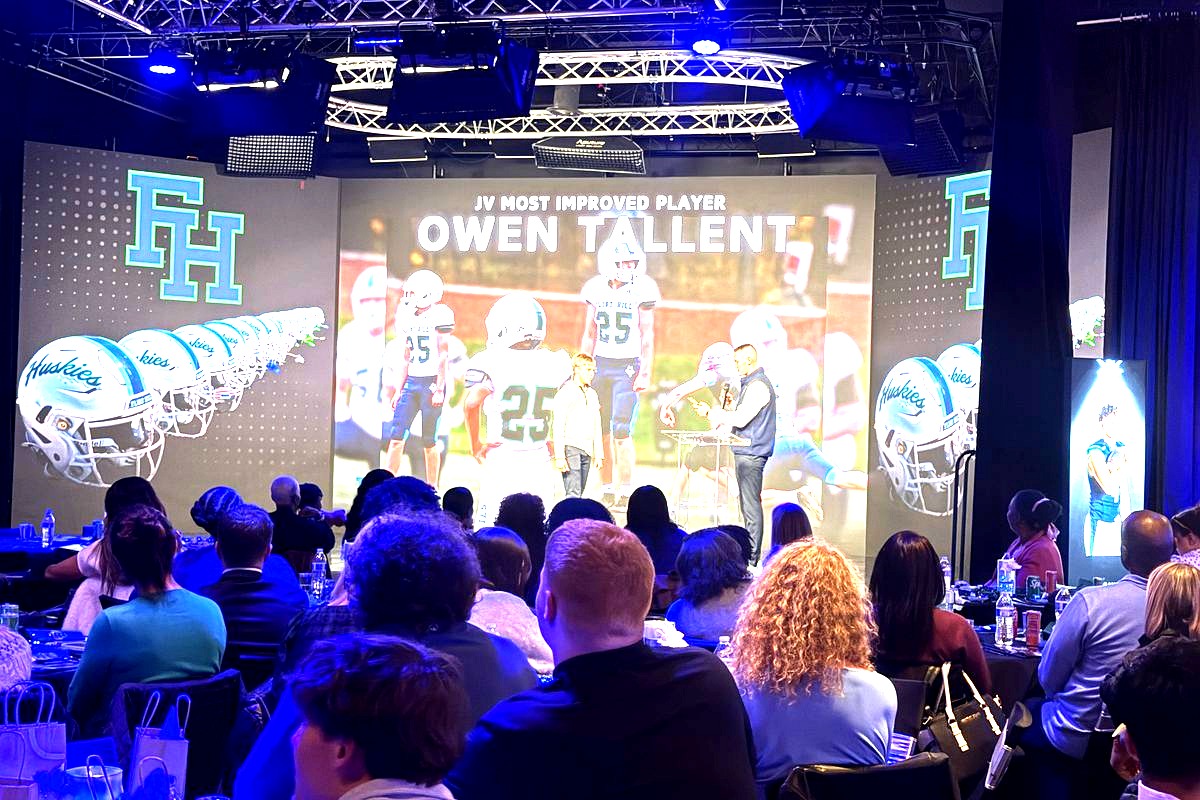
You have booked a venue, set up a laptop, connected to Wi-Fi, and hit ‘Go Live.’ Within minutes, the stream is buffering, the audio is echoing, and your remote audience is dropping off. Sound familiar? The harsh reality is that most event spaces were never designed for broadcast-quality virtual production, and the difference between a venue with internet access and a true virtual event production venue is enormous.
According to a 2025 report from Grand View Research, the global virtual events market is projected to exceed $657 billion by 2030, growing at a compound annual growth rate of over 23%. That trajectory means organizations across Northern Virginia and the greater DC metro area are no longer asking whether they should invest in virtual programming—they are asking where they can produce it at a professional level. The answer is not a hotel ballroom with a tripod in the corner. It is a purpose-built environment engineered for seamless digital delivery.
This guide takes you beyond the basics. We will dissect the infrastructure, technology, crew support, and design philosophy that separate a genuine virtual event production venue from a space that simply has an ethernet port. Whether you are planning a corporate keynote, a virtual product reveal, or a large-scale digital conference within about 20–30 miles of Chantilly, VA, this is the playbook for choosing the right venue in 2026.
The Core Infrastructure of a Virtual Event Production Venue
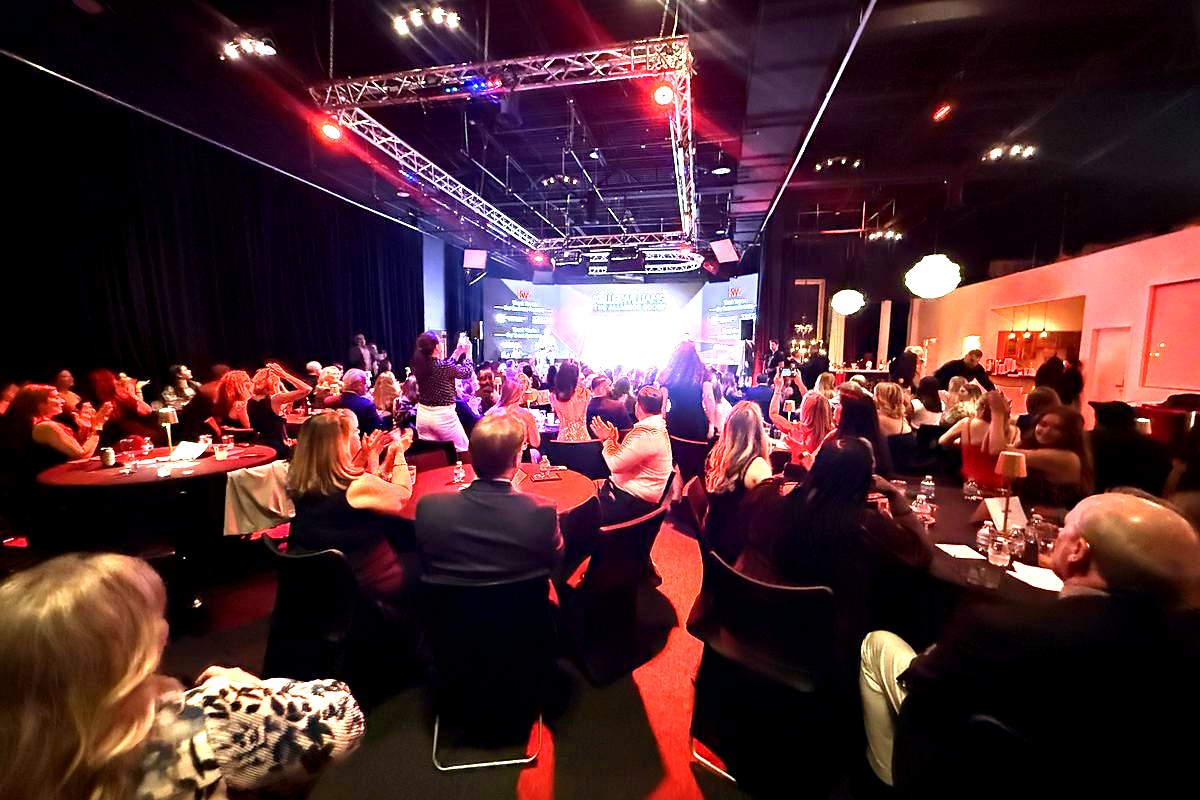
A webcam and consumer-grade Wi-Fi might work for a team standup. For a polished virtual event that represents your brand, you need infrastructure that was purpose-built for production. Here is what separates serious venues from the rest.
Enterprise-Grade Connectivity
Reliable streaming demands more than fast download speeds. A true virtual event production venue offers:
- Dedicated, symmetrical fiber internet — Upload speed matters just as much as download. Look for venues providing 1 Gbps symmetrical connections or higher, with dedicated lines that are not shared with neighboring tenants or businesses.
- Redundant internet circuits — A single ISP line is a single point of failure. Elite venues maintain backup circuits from a second provider that can failover automatically if the primary goes down.
- Hardwired ethernet throughout the production space — Wi-Fi is inherently unstable for live broadcast. The venue should have Cat6 or fiber runs to every critical production station, camera position, and streaming encoder.
- Network segmentation — Production traffic should be isolated from guest Wi-Fi and internal operations traffic. A misconfigured network can cause packet loss that ruins a live stream.
Power and Electrical Capacity
LED walls, broadcast cameras, lighting rigs, streaming servers, and audio systems draw significant power. Venues that were originally designed as banquet halls or meeting rooms often lack the electrical capacity to support full-scale virtual production. Purpose-built venues provide:
- Dedicated 200-amp (or higher) circuits for production equipment
- Clean, conditioned power to prevent interference and protect sensitive electronics
- Uninterruptible power supply (UPS) systems for critical streaming infrastructure
- Convenient, clearly labeled power drops throughout the studio and stage areas
Climate and Acoustic Control
LED walls, studio lights, and dozens of electronic devices generate tremendous heat. A venue needs HVAC capacity that can maintain comfortable temperatures under full production load—without introducing fan noise into the audio. Acoustic treatment on walls, ceilings, and floors is equally critical. Echo, ambient hum, and outside noise are immediate signals to a remote audience that the production is amateur.
Technology That Defines a Professional Virtual Venue
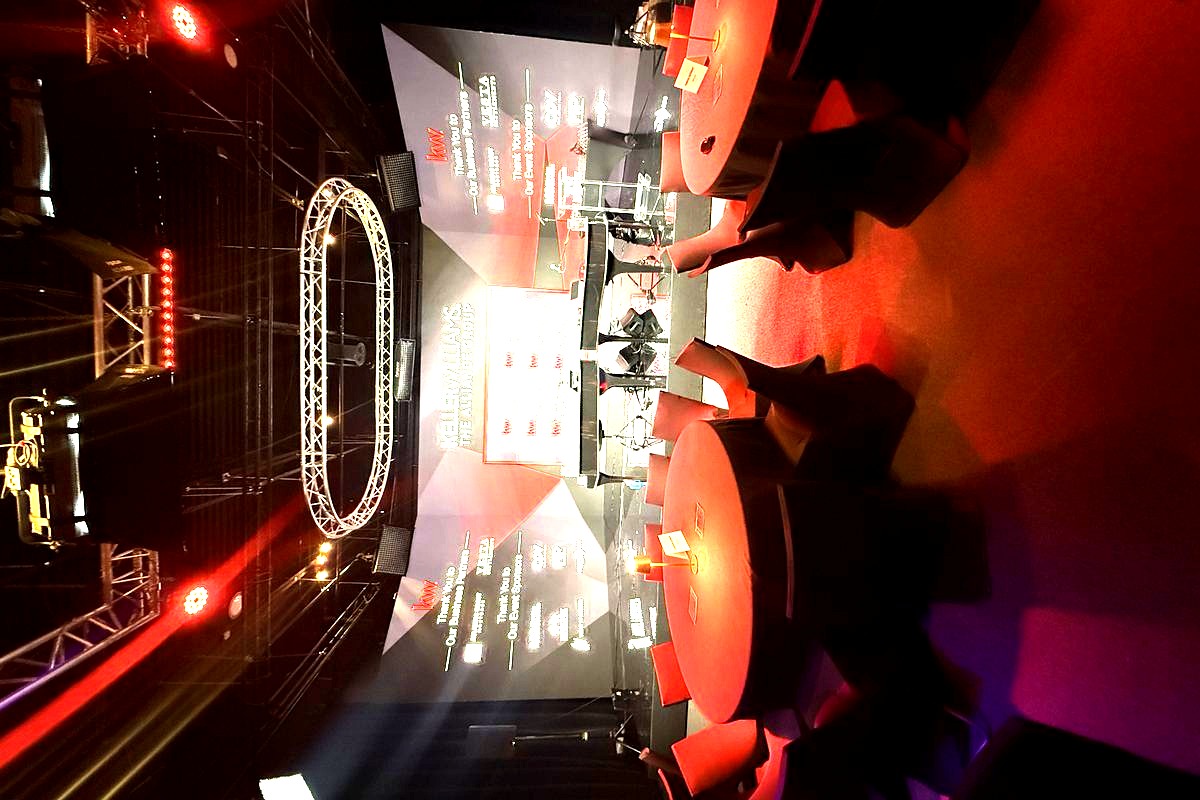
Infrastructure keeps the lights on. Technology is what transforms a room into a broadcast studio. Here are the tech capabilities that matter most in 2026.
LED Video Walls and Virtual Set Design
Flat projection screens and pull-down banners look dated on camera. Modern virtual event production venues feature high-resolution LED video walls that serve multiple purposes:
- Dynamic backdrops — Display branded content, motion graphics, or immersive environments behind speakers in real time.
- Virtual set extensions — Using LED volume techniques (similar to those used in film and television production), venues can create the illusion that a presenter is in any environment, from a sleek corporate stage to a futuristic landscape.
- Content integration — Presentations, video playback, live data feeds, social media walls, and audience polls can all be displayed seamlessly on LED surfaces, creating a visually rich experience for remote viewers.
The pixel pitch of the LED wall matters enormously. For camera-facing applications, look for walls with a pitch of 2.6mm or finer to ensure crisp, moiré-free images on the broadcast feed.
Broadcast-Quality Camera Systems
A single static camera angle is the fastest way to lose a virtual audience. Professional venues offer:
- Multiple PTZ (pan-tilt-zoom) cameras with remote operation capability
- Manned broadcast cameras for dynamic, cinematic coverage
- Camera switching systems (like Blackmagic ATEM or Ross Carbonite) for real-time multi-camera directing
- Teleprompter integration for polished speaker delivery
Professional Audio Infrastructure
Audio quality is arguably more important than video for virtual events. Viewers will tolerate slightly imperfect visuals, but poor audio causes immediate drop-off. A dedicated virtual event production venue provides:
- Broadcast-grade wireless and wired microphone systems (lavalier, handheld, and podium options)
- Professional mixing consoles with dedicated outputs for the stream, the room, and monitoring
- Audio processing for compression, EQ, and noise gating to ensure consistent, clean sound
- IFB (interruptible foldback) systems so producers can communicate with on-camera talent during the live broadcast
Streaming and Encoding Hardware
Software encoders running on a laptop are prone to crashes, overheating, and dropped frames. Purpose-built venues use dedicated hardware encoders and streaming servers that can simultaneously push to multiple platforms—Zoom, Microsoft Teams, YouTube Live, Vimeo, custom RTMP destinations—with independent quality settings for each. They also offer recording to local drives as a backup, ensuring you always have a high-quality archive regardless of internet conditions.
The Human Element: On-Site Production Crew and Technical Support
Even the most advanced technology is only as good as the people operating it. One of the most overlooked differentiators of a top-tier virtual event production venue is the availability of experienced, in-house production staff.
Why In-House Crew Matters
When a venue has its own technical team, those professionals know the space intimately. They know where every cable runs, how the lighting grid responds to different configurations, and how to troubleshoot issues in seconds rather than minutes. Compare that to hiring a third-party AV vendor who is seeing the space for the first time on load-in day.
Key roles that a well-staffed venue should provide or coordinate include:
- Technical Director (TD) — Manages camera switching, graphics insertion, and the overall broadcast flow in real time.
- Audio Engineer — Monitors and mixes all audio sources, ensuring clean sound for both in-room and virtual audiences.
- Stream Engineer — Manages encoding, monitors stream health, and handles platform-specific troubleshooting.
- Lighting Designer — Adjusts lighting for camera optimization, not just in-room ambiance. Stage lighting for virtual production is fundamentally different from event lighting.
- Producer or Stage Manager — Coordinates timing, talent cues, and content flow so the event runs smoothly from start to finish.
Pre-Production and Rehearsal Support
Great virtual events are not improvised. They are rehearsed. A venue that prioritizes virtual production will offer structured pre-production support including:
- Technical walkthroughs and production planning sessions weeks before the event
- Dedicated rehearsal time in the actual production space with all systems live
- Run-of-show development assistance to ensure seamless transitions between segments
- Speaker coaching for on-camera presence, teleprompter pacing, and audience engagement
Design and Layout: How Physical Space Impacts Virtual Quality
The physical layout of a venue directly affects the quality of the virtual broadcast. This is an area where most traditional event spaces fall short.
Controlled Lighting Environments
Natural light is beautiful for in-person gatherings but devastating for broadcast consistency. Sunlight changes intensity and color temperature throughout the day, causing constant adjustments and inconsistent visuals on camera. A professional virtual event production venue features:
- Full blackout capability to eliminate ambient light variables
- Grid-mounted, dimmable LED studio lighting with adjustable color temperature
- Dedicated key, fill, and back lighting positions designed for on-camera talent
- Separate lighting zones for the stage, audience area, and backstage
Flexible Studio Configurations
Not every virtual event looks the same. A keynote address has different spatial needs than a multi-speaker panel discussion or an interactive workshop. Venues designed for virtual production offer flexible, modular layouts that can be reconfigured quickly:
- Open floor plans with moveable staging and set pieces
- Multiple studio spaces of varying sizes for concurrent sessions or breakout content
- Green rooms and prep areas with monitoring feeds so speakers can watch the live program before their segment
- Separate control rooms where the production team operates without being visible or audible on camera
Audience Integration Capabilities
Even fully virtual events benefit from some level of audience interaction. Venues should support:
- Real-time polling and Q&A platforms displayed on LED walls
- Two-way video connections for remote panelists or audience members to appear on screen
- Chat moderation stations where team members can monitor and curate virtual audience engagement
- Social media integration for live hashtag displays and audience sentiment tracking
What to Demand During Your Venue Search in Northern Virginia
If you are searching for a virtual event production venue within the Chantilly, Fairfax, Reston, Herndon, Ashburn, Sterling, or broader Northern Virginia area, you need to go beyond the marketing brochure. Here is a practical checklist for evaluating venues in 2026.
Questions to Ask Before You Book
- What is your internet architecture? — Ask for specifics: ISP, bandwidth, redundancy, and whether production traffic is on a dedicated VLAN.
- Can I see a recent virtual event recording? — Any venue confident in its capabilities will happily share portfolio samples. Judge the video quality, audio clarity, camera work, and graphics integration.
- What equipment is included in the rental, and what costs extra? — Some venues include full LED walls, cameras, and audio in the base rate. Others nickel-and-dime every component. Get a detailed equipment list.
- Who operates the equipment? — Confirm whether the venue provides trained in-house technicians or if you need to source your own crew.
- What is the rehearsal policy? — Venues that allocate rehearsal time as part of the package understand virtual production. Those that charge premium rates for any extra hour in the space may not be aligned with your needs.
- What is your backup plan? — Ask about power redundancy, internet failover, and equipment spares. A professional venue has contingency plans documented and tested.
- What platforms do you stream to, and have you handled my platform before? — Platform-specific experience matters. Streaming to a custom virtual event platform is different from pushing to YouTube Live.
Red Flags to Watch For
- The venue refers to virtual production as simply ‘setting up a livestream’
- There is no dedicated control room or production area
- Lighting is limited to standard room fixtures with no studio-grade options
- Internet speed claims cannot be verified with documentation or speed tests
- The venue has no portfolio, case studies, or references from previous virtual events
- AV equipment is rented in from third parties on an event-by-event basis rather than permanently installed
Frequently Asked Questions About Virtual Event Production Venues
What is a virtual event production venue?
A virtual event production venue is a professionally equipped space designed specifically for producing high-quality live-streamed or pre-recorded events. Unlike a standard event hall with basic internet, these venues feature broadcast-grade cameras, LED video walls, professional audio systems, dedicated high-speed internet with redundancy, controlled lighting environments, and on-site technical production crews. They function more like a television studio than a traditional meeting room.
How much does it cost to rent a virtual event production venue near Chantilly, VA?
Pricing varies significantly depending on the scope of production, duration, and included services. In the Northern Virginia area within 20–30 miles of Chantilly, expect to invest anywhere from $3,000 to $15,000 or more for a full-day virtual event production, which typically includes the venue, LED walls, multi-camera setups, audio, streaming, and technical crew. Some venues offer half-day rates or hourly packages for smaller productions. Always request an itemized quote that separates venue rental from production services so you can compare accurately.
Can a virtual event production venue also host in-person attendees?
Yes, many virtual event production venues are designed to accommodate hybrid formats, supporting both a live in-room audience and a remote virtual audience simultaneously. The key is that the venue has separate audio mixes for the room and the stream, camera positions that work around a seated audience, and enough space to create both an engaging in-person experience and a polished broadcast. Not all virtual-focused venues offer hybrid capability, so confirm this during your venue search if you anticipate on-site guests.
What internet speed is needed for professional virtual event streaming?
For a single high-quality 1080p stream, you need a minimum of 10–20 Mbps dedicated upload bandwidth. For multi-platform streaming, 4K output, or events with multiple concurrent sessions, you may need 50–100 Mbps or more of dedicated upload. The critical factor is that this bandwidth must be dedicated and consistent—not shared with other users or subject to throttling. Symmetrical fiber connections with redundant circuits from a second ISP are the gold standard for professional virtual event production.
How far in advance should I book a virtual event production venue?
For events in 2026, booking 8–12 weeks in advance is recommended for standard productions. Large-scale virtual conferences, multi-day events, or productions requiring custom set builds should be booked 3–6 months ahead. Early booking also allows adequate time for pre-production planning, content development, technical walkthroughs, and rehearsals—all of which are essential for a successful virtual event.
What is the difference between a virtual event venue and a video production studio?
While there is overlap, a virtual event production venue is specifically optimized for live, real-time broadcast of events—complete with audience interaction tools, multi-platform streaming, live graphics, and stage management. A video production studio is typically geared toward pre-recorded content like commercials, training videos, or interviews. The best venues in the market offer both capabilities, allowing clients to produce live events and also shoot pre-recorded segments within the same space.
Produce Your Next Virtual Event at Trivision Event Center
Choosing the right virtual event production venue is not a nice-to-have—it is the single biggest factor that determines whether your remote audience stays engaged or clicks away. The technology, infrastructure, crew expertise, and physical design of your venue directly shape the quality of every frame and every second of audio your audience experiences.
Trivision Event Center, located at 3856 Dulles South Court in Chantilly, VA, was built from the ground up for exactly this kind of production. With immersive LED video walls, broadcast-quality camera and audio systems, flexible studio configurations, dedicated high-speed internet, and an experienced in-house production team, it is the virtual event production venue that organizations across Fairfax County, Loudoun County, Reston, Herndon, Ashburn, Sterling, and the greater Northern Virginia region trust for their most important digital events.
Whether you are producing a virtual corporate keynote, a digital product launch, a live-streamed fundraiser, or a multi-session online conference in 2026, Trivision provides the environment, technology, and expertise to make it flawless.
Ready to see the space and discuss your upcoming virtual event? Visit trivisioneventcenter.com to schedule a tour, request a customized production quote, or speak directly with the Trivision team about bringing your next virtual event to life.