
You found a venue online that looks stunning. The photos are polished, the pricing seems reasonable, and the reviews are glowing. Then you show up for the site visit, and the loading dock is a narrow alley, the outlets are nowhere near your stage setup, and the ceiling is too low for your lighting rig. According to a 2024 survey by Social Tables, nearly 67% of event planners said their biggest regret was not conducting a thorough enough site inspection before signing a venue contract. That is exactly why every planner needs a reliable event venue site visit checklist — a practical, print-and-bring document that ensures nothing slips through the cracks.
Whether you are scouting event spaces in Chantilly, Centreville, Fairfax, Herndon, Reston, Ashburn, or anywhere within a 20–30 mile radius of Dulles South Court in Chantilly, VA, this walkthrough guide covers the 15 critical things you should physically inspect before committing your budget. Grab a clipboard, charge your phone for photos, and let us walk through every detail together.
Why a Printed Checklist Beats Memory Every Time
Site visits are exciting. You walk into a venue, you envision your event, and adrenaline takes over. But excitement is the enemy of due diligence. When you are juggling conversations with the venue manager, mentally calculating seating layouts, and snapping photos for your client, it is remarkably easy to forget about mundane but critical details like freight elevator dimensions or Wi-Fi bandwidth.
A physical or digital event venue site visit checklist anchors your evaluation. It forces you to slow down, ask the right questions, and document answers in real time. Think of it like a home inspection before buying a house — you would never skip that, and your event venue deserves the same rigor.
Before You Arrive: Pre-Visit Preparation
- Confirm your visit time matches your event time. A venue at 10 a.m. on a Tuesday looks and sounds different than it does at 7 p.m. on a Saturday. Ask if you can visit during a similar time slot.
- Bring a measuring tape or laser measurer. Floor plans are helpful, but nothing replaces physically confirming dimensions.
- Bring your event brief. Have your guest count, layout preferences, AV requirements, and catering needs printed so you can reference them on the spot.
- Charge your phone fully. You will be taking photos, videos, and notes. A dead battery mid-tour is a planning disaster.
The 15-Point Event Venue Site Visit Checklist

Below is the comprehensive walkthrough, organized in the order you will likely encounter each element — from the parking lot to the smallest power outlet. We recommend checking each item off as you go.
1. Parking and Guest Arrival Experience
Start your inspection before you even walk through the front door. Stand in the parking lot and evaluate the experience your guests will have.
- How many parking spots are available? Is there overflow or valet space?
- Is the lot paved, well-lit, and clearly marked?
- Is there accessible parking near the entrance?
- What does the signage look like? Will guests know where to go?
- If your event is in winter (common for corporate holiday gatherings in Northern Virginia), ask about snow removal and ice management policies.
2. Loading Dock and Load-In Access
This is the item most planners forget — and most regret. If you are bringing in staging, furniture, LED walls, large décor, or catering equipment, you need a clear, efficient load-in path.
- Is there a dedicated loading dock or freight entrance?
- What are the door dimensions? Measure the width and height.
- Is there a freight elevator? If so, what is its weight limit and interior size?
- How far is the load-in point from the main event space?
- Are there time restrictions on when vendors can load in and load out?
3. Main Event Space Dimensions and Ceiling Height
Photos can be deceptive. Wide-angle lenses make rooms appear larger than they are. Physically walk the space and measure.
- Confirm square footage against what was advertised.
- Measure ceiling height — this is critical for projection, lighting, truss systems, and balloon installations.
- Note any columns, pillars, or structural obstructions that could block sightlines.
- Check if the floor is level (important for staging and AV production setups).
4. Electrical Outlets and Power Capacity
Power is the silent make-or-break detail for any event, especially those involving AV production, LED video walls, live streaming, or full-scale lighting.
- Count the outlets and note their locations on a rough sketch of the room.
- Identify the amperage of each circuit. Standard 15-amp outlets will not power a full AV rig.
- Ask if there are dedicated 20-amp or 30-amp circuits available.
- Check for floor boxes or recessed outlets (these are gold for center-of-room setups).
- Ask about generator access or tie-in points for high-power events.
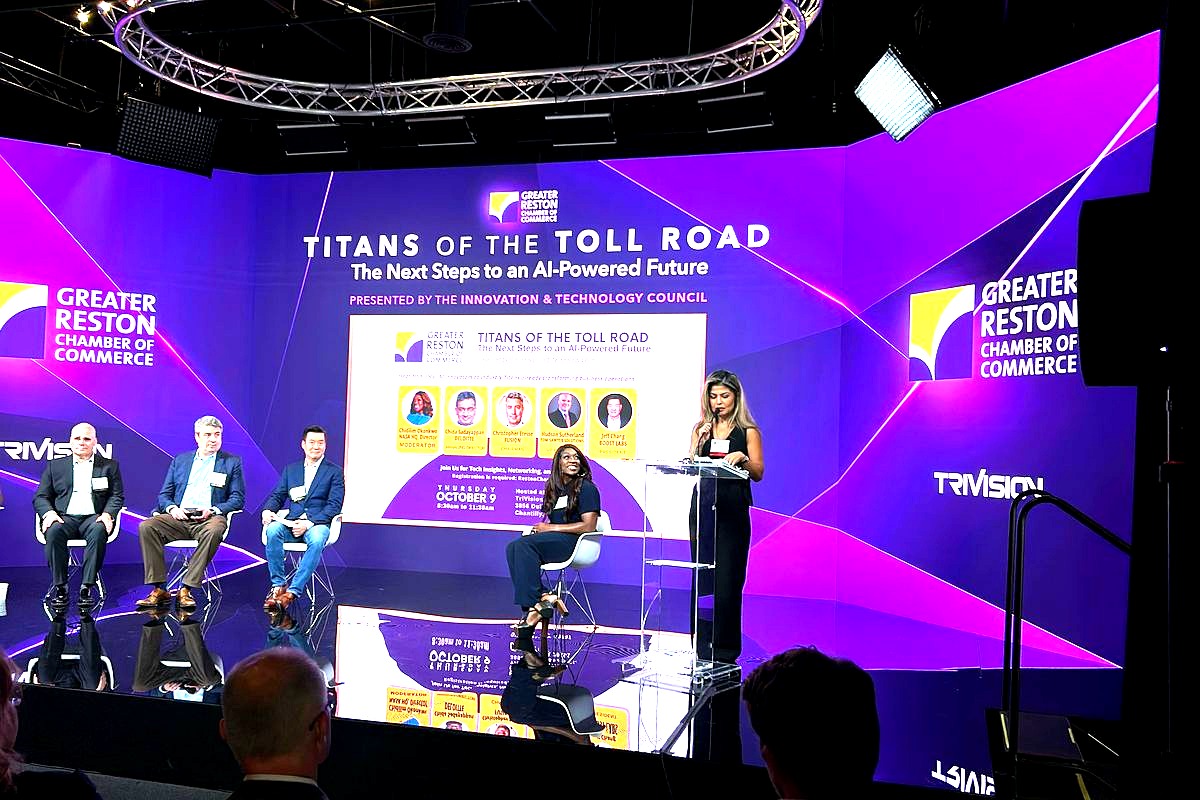
Pro tip from our experience at Trivision Event Center: venues with built-in AV infrastructure often have power distribution already mapped to the stage and production areas, saving planners hours of cable runs and thousands of dollars in electrical labor.
5. AV Infrastructure and Technology
Even if you are bringing your own production team, the venue’s built-in technology sets the baseline for what is possible.
- Does the venue have built-in screens, projectors, or LED walls?
- Are there audio inputs and outputs accessible from the stage area?
- What is the house sound system, and can it be bypassed for your own equipment?
- Is there a dedicated AV control room or tech booth?
- Where are the HDMI, SDI, or network input points located?
6. Wi-Fi and Internet Connectivity
In 2026, reliable internet is not a luxury — it is a requirement. From live streaming to event apps to digital check-in platforms, your event depends on connectivity.
- Ask for the exact bandwidth speed (run a speed test during your visit with your phone).
- Is there a dedicated network for events, or are you sharing with the building?
- Can the venue provide a hardwired Ethernet connection?
- How many simultaneous devices can the network support?
7. Lighting — Natural and Artificial
Walk the space with both overhead lights on and off. If the venue has windows, observe how natural light falls.
- Can overhead lights be dimmed or controlled by zone?
- Are there windows, and can they be blacked out for presentations or projection?
- Is there existing accent, up-lighting, or programmable lighting?
- Where would you mount or place additional lighting fixtures?
8. Acoustics and Sound Quality
Clap your hands sharply in the center of the room. Listen. Does the sound ring and echo, or does it feel controlled?
- Are there acoustic panels, draping, or sound-absorbing materials on the walls or ceiling?
- Test how sound travels from the stage area to the back of the room.
- Ask about noise from adjacent spaces, HVAC systems, or outside traffic.
- For venues near Dulles Airport, ask specifically about flight noise. Some Chantilly and Ashburn venues sit directly under flight paths.
9. Restrooms and Guest Amenities
This may seem minor, but restroom quality directly influences guest perception of your entire event.
- How many restrooms are available and where are they relative to the event space?
- Are they ADA-compliant?
- Are they clean, modern, and well-maintained?
- Is there a coat check, lobby area, or pre-function space?
10. Catering Kitchen and Food Prep Areas
If you are bringing in outside catering (or using the venue’s preferred caterer), inspect the kitchen.
- Is there a commercial kitchen or just a warming/prep kitchen?
- Does it have adequate refrigeration, oven capacity, and counter space?
- Is it close enough to the event space for efficient service?
- Are there restrictions on outside caterers or open flames?
11. Climate Control (HVAC)
Northern Virginia summers are hot and humid, and winters demand reliable heating. A venue that cannot maintain comfortable temperatures will derail even the best-planned event.
- Can you control the thermostat independently for your event space?
- How quickly does the HVAC system adjust when the room fills with 200+ people?
- Is the HVAC system loud? This matters enormously during keynote speeches and panel discussions.
- Ask about backup climate control in case of system failure.
12. Emergency Exits and Safety Compliance
Your guests’ safety is non-negotiable.
- Verify clearly marked emergency exits and that none are blocked.
- Confirm the venue has current fire marshal occupancy certification.
- Check for fire extinguishers, sprinkler systems, and AED devices.
- Ask about on-site security options for larger events.
13. Accessibility and ADA Compliance
Inclusivity is a planning imperative, not an afterthought.
- Are entrances, hallways, and restrooms wheelchair accessible?
- Is there an elevator if the event space is on an upper level?
- Are assistive listening devices available?
- Is there accessible seating area with clear sightlines to the stage?
14. Breakout Rooms and Flexible Spaces
For conferences, corporate retreats, and multi-session events, you need more than one room.
- How many breakout rooms are available, and what are their capacities?
- Can the main space be divided with partitions or curtains?
- Is there a dedicated green room or speaker prep area?
- What is the transition time between room configurations?
15. The Contract Details You Should Discuss On-Site
Do not wait to read the contract at home. Use the site visit to clarify logistical fine print while you are standing in the space.
- What are the exact load-in and load-out windows?
- What is the venue’s cancellation and rescheduling policy?
- Is there an overtime fee, and how much is it per hour?
- What is included in the base rental fee versus what costs extra?
- Who is the day-of contact for issues during your event?
What to Do After Your Site Visit
Your work is not done when you walk out the door. In the 24 hours following your visit, complete these steps to ensure your evaluation remains sharp and actionable.
- Review your checklist immediately. Fill in any gaps while your memory is fresh.
- Organize your photos and videos. Label them by area (loading dock, stage, kitchen, etc.).
- Share findings with stakeholders. Send a summary email with photos to your client, your AV team, and your caterer.
- Compare venues side by side. If you visited multiple spaces, create a simple scoring matrix using the 15 categories above.
- Follow up with the venue. Ask any questions that came up during your review. Request the floor plan, technical specifications, and a sample contract.
Why Chantilly, VA Has Become a Hotspot for Event Venues in 2026
If you are searching for event spaces within 20–30 miles of Chantilly, you have likely noticed the area’s growth. The Dulles Corridor — stretching from Reston and Herndon through Chantilly to Ashburn and Leesburg — has become one of the most dynamic event markets in the greater Washington, DC region.
Several factors drive this trend:
- Proximity to Dulles International Airport makes venues in Chantilly ideal for events with out-of-town attendees.
- More competitive pricing than downtown DC or Tysons Corner, without sacrificing quality.
- Modern venue construction means newer facilities with better AV infrastructure, higher ceilings, and purpose-built event technology.
- Accessibility from Routes 28, 50, and I-66 gives guests multiple easy routes from Fairfax, Centreville, Manassas, Sterling, and Loudoun County.
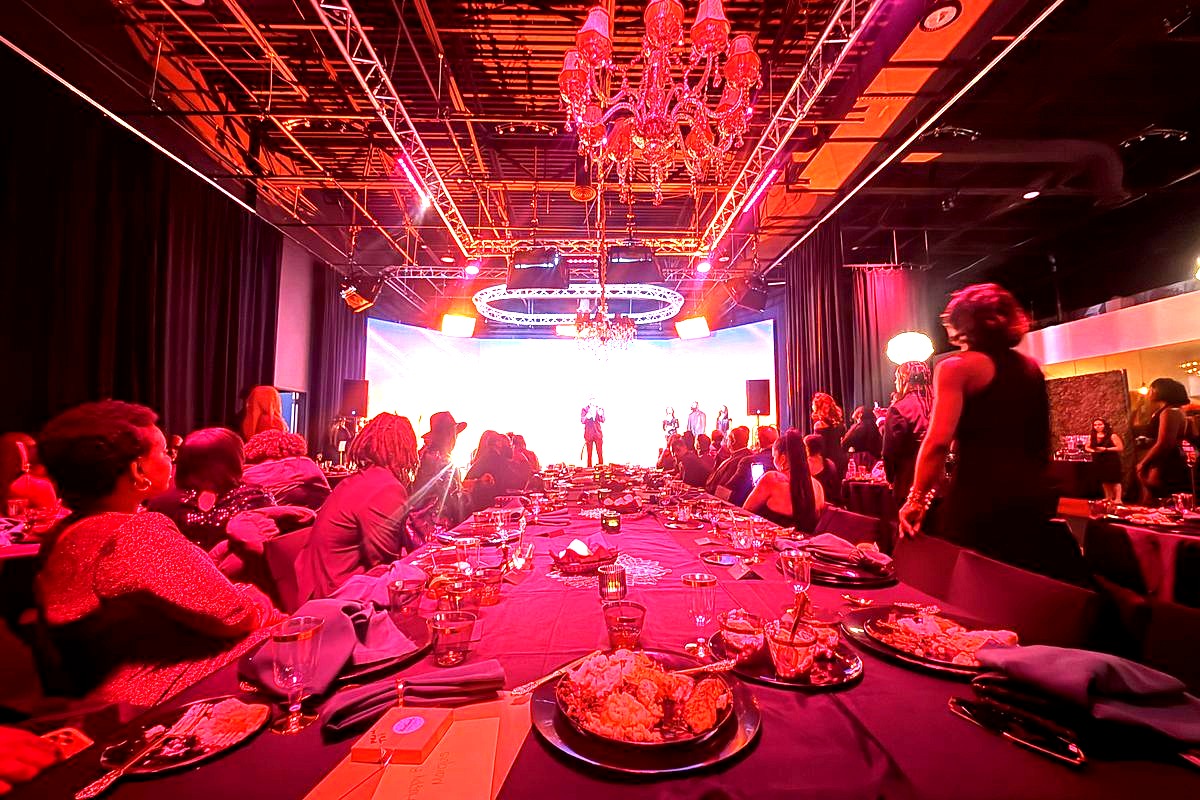
At Trivision Event Center, located right at 3856 Dulles South Court in Chantilly, we designed our facility specifically to address the pain points planners encounter at other venues. From built-in LED video walls and professional AV production infrastructure to flexible studio configurations and ample power distribution, our space was built to make your site visit reassuringly easy.
Frequently Asked Questions
How far in advance should I schedule a venue site visit?
For events in 2026, aim to schedule your site visit at least 6–12 months before your event date, especially for peak seasons like fall gala season (September through November) and the corporate holiday party window (late November through December). Popular venues in the Chantilly, Fairfax, and Reston corridor book quickly. Visiting early gives you leverage to negotiate and time to compare options without pressure.
What should I bring to an event venue site visit?
Bring a printed or digital version of your event venue site visit checklist, a measuring tape or laser measurer, a fully charged phone for photos and video, your event brief (including guest count, layout preferences, and AV requirements), and a list of specific questions for the venue manager. Some planners also bring a small flashlight to inspect dimly lit backstage areas or utility rooms.
How many venue site visits should I do before choosing a space?
We recommend visiting at least 3 to 5 venues for any significant event. This gives you enough data points to compare pricing, infrastructure, staff responsiveness, and overall atmosphere. However, quality matters more than quantity. A thorough visit to three venues using a structured checklist will serve you better than a rushed tour of ten.
Can I bring my AV vendor or caterer to the site visit?
Absolutely — and you should. Your AV production team will spot power and rigging issues you might miss. Your caterer will evaluate the kitchen and service flow. Your decorator will assess lighting, ceiling height, and wall surfaces. The best venue managers welcome vendor visits because it signals a serious, well-organized planner.
What are red flags to watch for during a venue site visit?
Be cautious if the venue manager avoids answering questions about power capacity, insurance requirements, or overtime fees. Other red flags include visibly deferred maintenance (stained ceilings, broken fixtures), a reluctance to let you see backstage or utility areas, unclear policies on outside vendors, and a contract that was not ready for your review. Trust your instincts — if something feels evasive, it usually is.
Do I need to visit a venue more than once before booking?
For large-scale events (200+ guests, complex AV setups, multi-day conferences), yes. Your first visit is for general evaluation. A second visit — ideally with your key vendors — is for technical validation. Some planners schedule a third visit during the venue’s actual operating hours to observe how staff handles a real event. For smaller events, one thorough visit with a complete checklist is typically sufficient.
Book Your Site Visit at Trivision Event Center
A great event starts with a great site visit, and a great site visit starts with knowing exactly what to look for. Use this event venue site visit checklist as your guide, print it, share it with your team, and bring it to every venue walkthrough in 2026.
If one of those walkthroughs brings you to Chantilly, VA, we would love to show you around Trivision Event Center. Our modern event studios feature built-in LED video walls, integrated AV production, flexible floor plans, and the kind of infrastructure that makes planners breathe a sigh of relief. We are located at 3856 Dulles South Court, Chantilly, VA 20151 — minutes from Dulles Airport and easily accessible from Fairfax, Centreville, Reston, Herndon, Ashburn, and beyond.
Schedule your site visit at Trivision Event Center today and see why planners across Northern Virginia trust us to deliver flawless events.