
Finding the Right AV Production Venue Near Washington DC Starts With Knowing What to Demand
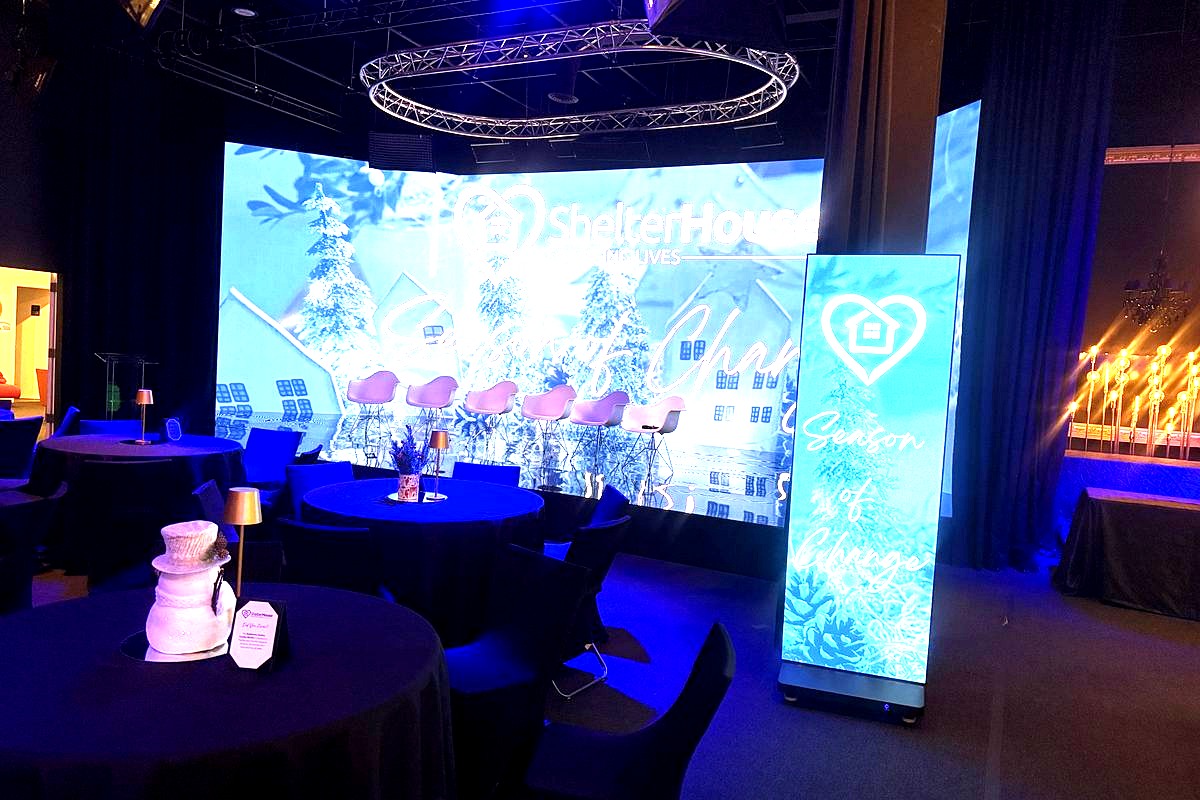
If you have ever walked into a venue that promised ‘full AV capabilities’ only to find a dusty projector, a tangled nest of cables, and zero technical support, you already understand the frustration. For event producers staging conferences, product launches, galas, and hybrid broadcasts in the DC metro area, the difference between an AV production venue near Washington DC that actually delivers and one that merely checks a box can mean thousands of dollars in last-minute rentals—and a reputation-damaging experience for your client or brand.
According to the 2025 Global Event Technology Report by EventMB, 74 percent of event planners now rank built-in audiovisual infrastructure as a top-three factor when selecting a venue—up from 56 percent just three years earlier. As we move into 2026, that number will only climb. This guide is designed to help event producers within roughly 20–30 miles of Chantilly, Virginia evaluate AV-ready venues by the technical specs and crew support that actually matter, so you can stop settling and start producing at the level your audience expects.
Why Technical Specs Matter More Than Square Footage in 2026
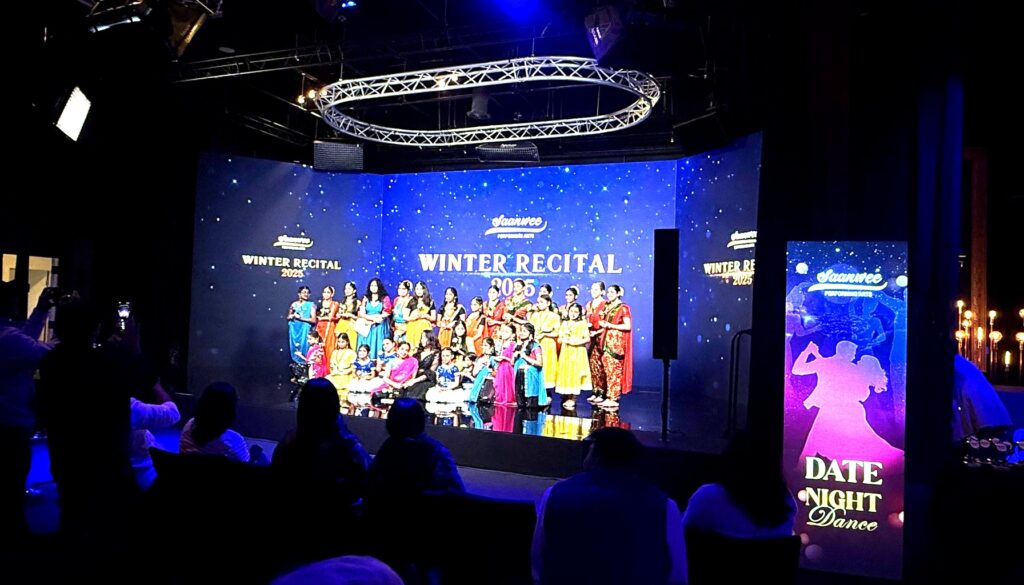
Square footage gets all the attention in venue brochures, but for a production-heavy event, technical infrastructure is the real differentiator. A 5,000-square-foot ballroom with no rigging points, insufficient power, and mediocre internet connectivity will cost you far more—in rentals, labor, and compromises—than a purpose-built studio half that size with everything wired and ready.
The Shift Toward Production-First Venues
The DC metro area, including Fairfax County, Loudoun County, and Prince William County, has seen a wave of venue development driven by the federal government’s hybrid-event mandates and the tech corridor along the Dulles Toll Road. In 2026, event producers working in the Northern Virginia corridor—from Tysons Corner and Reston down through Chantilly, Centreville, Ashburn, and Manassas—have more options than ever, but most of those options are still hospitality venues with AV bolted on as an afterthought.
A true AV production venue is designed from the ground up for technical execution. That means:
- Dedicated, clean electrical circuits separated from HVAC and lighting loads
- Structured cabling infrastructure with patch panels, not extension cords
- Acoustic treatment to control echo and ambient noise
- Rigging-rated ceilings or grid systems for lighting and scenic elements
- Light-controlled environments with blackout capability
If the venue cannot speak to these specifics during a walkthrough, that is your first red flag.
The AV Feature Checklist: What to Evaluate Before You Sign
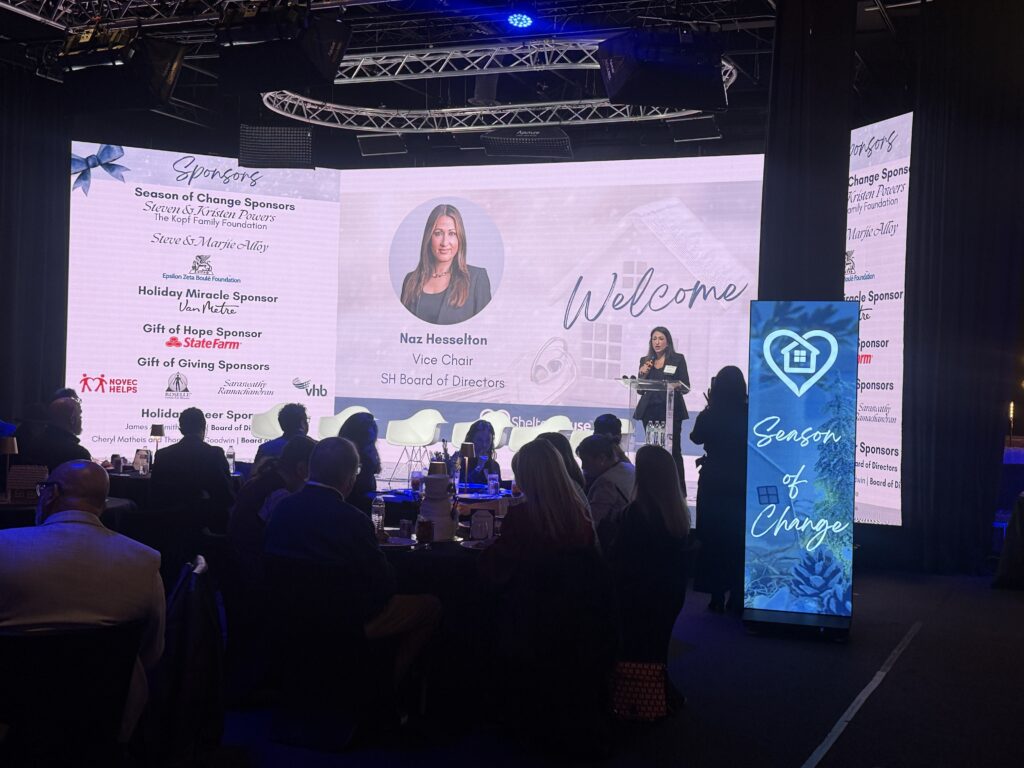
When you are scouting an AV production venue near Washington DC, you need a structured evaluation framework—not a glossy sales pitch. Below is the checklist that working producers in the region use to separate real production venues from decorated banquet halls.
1. LED Wall and Display Technology
LED video walls have become the centerpiece of modern event production. But not all LED walls are equal. When evaluating a venue’s display technology, ask:
- Pixel pitch: What is the pixel pitch of the LED panels? For audiences seated within 10–15 feet, you need a pixel pitch of 2.9mm or finer. Anything coarser and your content looks pixelated up close.
- Panel size and configuration: Is the wall modular? Can it be reconfigured for different stage designs, or is it a fixed installation locked into one aspect ratio?
- Content resolution: What is the native resolution of the wall, and what input sources does it accept? You need at least HDMI 2.0 and SDI inputs for professional production workflows.
- Brightness and color calibration: Has the wall been calibrated recently? LED panels degrade over time and require periodic calibration to maintain color accuracy—especially important for branded content.
2. Audio Infrastructure
Audio is often the most overlooked element, yet it is the single fastest way to ruin an otherwise polished event. Evaluate:
- House PA system: Does the venue have a permanently installed line-array or point-source speaker system, or will you need to bring in everything?
- Mixing console: Is a digital mixing console available? Professional events in 2026 demand digital boards (Allen & Heath, Yamaha CL/QL series, or equivalent) with multitrack recording capability.
- Microphone inventory: Does the venue stock wireless microphone systems (Shure, Sennheiser) with sufficient frequency coordination for multi-presenter events?
- Monitor systems: Are confidence monitors, stage monitors, or in-ear monitor systems available for presenters?
- Acoustic environment: Has the room been acoustically treated? Ask about RT60 measurements. A reverb time under 1.5 seconds is ideal for speech intelligibility in a conference or presentation setting.
3. Lighting Capabilities
Lighting sets the emotional tone and is critical for camera-ready production. Look for:
- Overhead lighting grid or truss: A permanent grid with DMX-controlled fixtures gives your lighting designer a massive head start.
- LED wash and spot fixtures: Moving heads, LED PARs, and ellipsoidal fixtures should be available on-site, not quoted as add-ons.
- DMX control: Is there a dedicated lighting console, or is lighting controlled through a basic app on someone’s phone? Professional events demand a proper console.
- Blackout capability: Can the room achieve full blackout? This is essential for immersive content, award shows, and any event where visual impact depends on controlled darkness.
4. Connectivity and Power
This is where many venues in the Northern Virginia area—even newer ones—fall short.
- Dedicated internet: Is there a dedicated, hardwired internet connection (not shared Wi-Fi) with at least 100 Mbps symmetrical bandwidth? For live streaming, you need reliable upload speeds, not just download.
- Power capacity: What is the total available amperage for production? A serious AV event can draw 100+ amps across lighting, video, and audio. Ask whether circuits are 20A or 30A and whether three-phase power is available.
- Generator hookup: For mission-critical productions, is there a generator tie-in point for backup or supplemental power?
5. Camera and Streaming Infrastructure
Hybrid and virtual components are no longer optional for most corporate events in the DC metro. A production-ready venue should offer:
- PTZ camera systems or positions for manned cameras with clear sightlines to the stage
- Video switching and routing: An on-site video switcher (Blackmagic ATEM, Ross, or similar) and SDI/NDI routing infrastructure
- Streaming encoder: Hardware encoding for platforms like Vimeo, YouTube, or custom RTMP endpoints
- Recording capability: Multi-camera ISO recording for post-production editing
Crew Support: The Factor Most Producers Underestimate
Even the most impressive technical inventory is useless without competent crew to operate it. When you evaluate an AV production venue near Washington DC, the quality and availability of on-site technical staff should be near the top of your list.
What to Ask About Technical Staffing
- Is there a dedicated technical director (TD) on-site during events? A TD who knows the room, the signal flow, and the equipment intimately can solve problems in seconds that would take an outside crew an hour.
- What is the crew-to-equipment ratio? A venue with a massive lighting rig but only one technician is a bottleneck waiting to happen.
- Do they handle load-in and strike? Venues that manage their own equipment setup and teardown save you labor costs and liability.
- Can they integrate with your outside vendors? The best venue crews are collaborative, not territorial. They should welcome your production company or AV partner while adding local expertise.
- What are their production hours? Some venues restrict setup to business hours. If your event requires an overnight build or early-morning sound check, confirm availability and any overtime rates upfront.
The Cost Advantage of In-House Crews
Hiring a freelance AV crew in the DC metro area in 2026 typically runs $50–$85 per technician per hour, with four-hour minimums. A venue with in-house technical staff baked into the rental or offered at a reduced rate can save you $2,000–$5,000 per event day, depending on the complexity of your show. That savings compounds quickly across multi-day conferences or recurring quarterly events.
Location and Logistics Within the DC Metro AV Corridor
For event producers working in and around Washington DC, venue location is not just about prestige—it is about logistics. The 20–30-mile radius around Chantilly, Virginia, puts you in the sweet spot of the region’s AV production corridor.
Why the Dulles Corridor Is a Hub for Production Events
The stretch from Tysons Corner through Reston, Herndon, Chantilly, and out toward Ashburn and Leesburg is home to some of the highest concentration of technology companies, government contractors, and association headquarters on the East Coast. This means:
- Proximity to attendees: Most corporate audiences in Northern Virginia are already commuting along Route 28, the Dulles Toll Road, or I-66. A venue near these arteries minimizes travel friction.
- Airport access: Washington Dulles International Airport is minutes away, making the Chantilly area ideal for events drawing national or international attendees.
- Vendor ecosystem: The concentration of AV rental houses, scenic fabricators, and production freelancers in Fairfax and Loudoun Counties means shorter delivery times and lower trucking costs for any supplemental gear.
- Hotels and lodging: The Dulles corridor has abundant hotel inventory at multiple price points, making it easy to negotiate room blocks for multi-day events.
Venue Accessibility and Parking
Do not overlook the basics. A technically spectacular venue that is impossible to find, lacks adequate parking, or sits at the end of a single-lane access road will frustrate your attendees and your load-in crew alike. Look for:
- Clearly marked entrances and signage
- Sufficient parking for your expected headcount (or validated nearby garage access)
- A loading dock or drive-up access for equipment trucks
- ADA-compliant access throughout the venue
Red Flags That an AV Venue Is Not Production-Ready
Experience teaches you to spot warning signs early. Here are the most common red flags that a venue is not truly equipped for professional AV production, even if the marketing says otherwise:
- ‘We can accommodate any AV setup’ without providing specific technical specifications. Vague promises mean vague capabilities.
- No dedicated technical contact. If your point of contact is a general event coordinator who cannot answer questions about signal flow or power distribution, the venue is not production-focused.
- Mandatory in-house AV vendor with no flexibility. Some hotel and banquet venues lock you into a single AV partner with inflated pricing and limited inventory. A true production venue either has excellent in-house gear or gives you full flexibility to bring your own.
- No recent references from production companies. Ask for references from AV companies or event producers—not just brides and birthday party hosts—who have worked in the space recently.
- Inadequate load-in logistics. If there is no freight elevator, no loading dock, and the only path to the stage is through a narrow hallway, budget for extra labor and frustration.
- Outdated equipment. If the venue is still running analog mixing boards, standard-definition displays, or first-generation LED panels from 2015, the technical infrastructure has not kept pace with industry standards.
Frequently Asked Questions
What makes a venue a true AV production venue versus a standard event space?
A true AV production venue is engineered specifically for technical event execution. This includes dedicated clean power circuits, professional-grade LED walls or display systems, structured audio and video cabling, acoustic treatment, a lighting grid with DMX control, and on-site technical crew. Standard event spaces—such as hotel ballrooms or banquet halls—may offer basic AV packages (a projector and a microphone), but they lack the infrastructure, power capacity, and crew expertise required for conferences, live streams, galas with immersive visuals, or any event that demands broadcast-quality production.
How much does it cost to rent an AV production venue near Washington DC in 2026?
Pricing varies significantly based on the venue’s technical inventory, included crew support, and the duration of your rental. In the Northern Virginia corridor—including Chantilly, Reston, Ashburn, and surrounding areas—expect to pay anywhere from $3,000 to $15,000 per day for a fully equipped AV production venue. However, the real comparison is total production cost. A venue that includes LED walls, a sound system, lighting, and technical staff in the rental fee can save you $5,000–$20,000 compared to renting a bare-bones space and bringing in all equipment and crew externally.
What AV specs should I prioritize for a corporate conference near DC?
For corporate conferences, prioritize high-resolution LED displays or video walls (2.9mm pixel pitch or finer), a professional digital audio mixing console with wireless microphone systems, reliable hardwired internet with at least 100 Mbps symmetrical bandwidth for live streaming, and a lighting system with a proper DMX console. Additionally, ensure the venue offers confidence monitors for presenters, camera positions for IMAG (image magnification), and a quiet HVAC system that does not compete with speakers during presentations.
Can I bring my own AV production company to a venue in Northern Virginia?
It depends on the venue. Many hotel-affiliated and banquet-style venues in the DC metro area have exclusive AV vendor contracts that restrict or penalize outside production companies. Production-focused venues, on the other hand, typically welcome outside AV partners or offer a collaborative model where their in-house crew works alongside your team. Always ask about vendor exclusivity, rigging restrictions, and any technical rider requirements before signing a contract. The best venues provide detailed technical specifications and floor plans so your production company can plan efficiently.
How far in advance should I book an AV production venue near Washington DC for 2026?
For high-demand dates—spring and fall conference season, award season galas, and end-of-year corporate events—book at least four to six months in advance. Production-ready venues in the Dulles corridor are limited in number compared to standard event spaces, and they tend to book quickly, especially for multi-day holds. If your event requires a custom LED wall configuration or extensive pre-production setup, add additional lead time for technical planning with the venue’s crew.
Choose a Venue That Matches Your Production Ambitions
Evaluating an AV production venue near Washington DC is not about finding the prettiest room—it is about finding the most capable one. In 2026, your audience expects seamless visuals, crystal-clear audio, and flawless streaming. Your clients expect you to deliver all of that on budget. The venue you choose is either your greatest ally or your biggest liability.
At Trivision Event Center in Chantilly, Virginia, every studio is purpose-built for production. Our facility features high-resolution LED video walls, professional audio and lighting systems, structured cabling, dedicated power, and an experienced in-house technical crew that works alongside your production team—not against it. Located just off Route 28 near Dulles Airport, we are at the center of Northern Virginia’s AV production corridor, with easy access from Reston, Ashburn, Centreville, Fairfax, and beyond.
Ready to see the space and talk technical specs? Visit trivisioneventcenter.com to schedule a walkthrough and let us show you what a real production venue looks like from the inside out.