
LED Wall vs Projector for Events: Why This Decision Matters More Than You Think
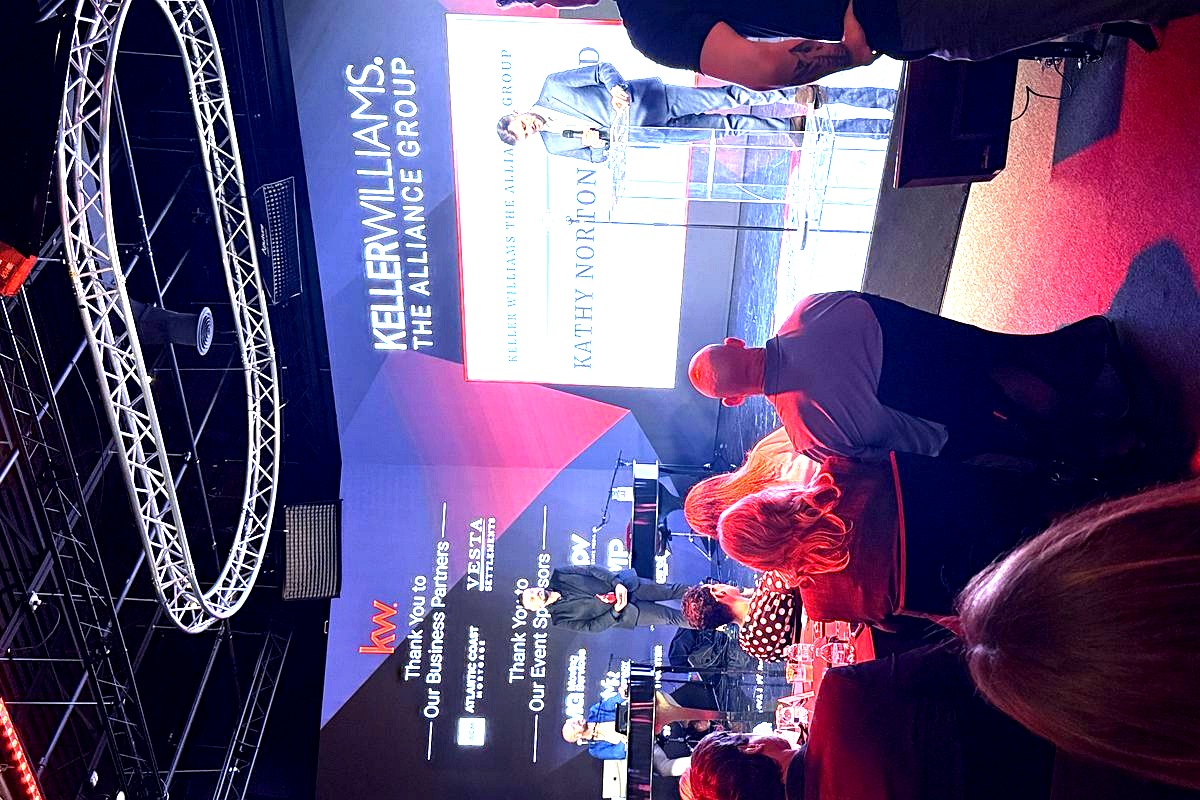
You have a high-stakes corporate gala, a product launch, or a conference on the calendar for 2026—and someone on your planning team just asked the question that derails every AV conversation: should we use an LED wall or a projector? It sounds simple, but the answer shapes your entire guest experience, your budget allocation, and ultimately how your brand is perceived. According to a 2024 report by the International Live Events Association (ILEA), nearly 68% of event attendees say on-screen visual quality is the single biggest factor in how ‘professional’ they perceive an event. When you are comparing an LED wall vs projector for events in the Northern Virginia region—Chantilly, Ashburn, Centreville, Herndon, Reston, Sterling, Leesburg, or anywhere within a 20–30-mile radius of Dulles South Court—this guide gives you the unbiased, side-by-side breakdown you need to make a confident decision in 2026.
This is not a rehash of ‘LED walls are cool.’ Instead, we are going deep into technical specs, real-world event scenarios, hidden costs, and experiential differences so you can match the right display technology to your specific event goals.
The Core Technology: How LED Walls and Projectors Actually Work
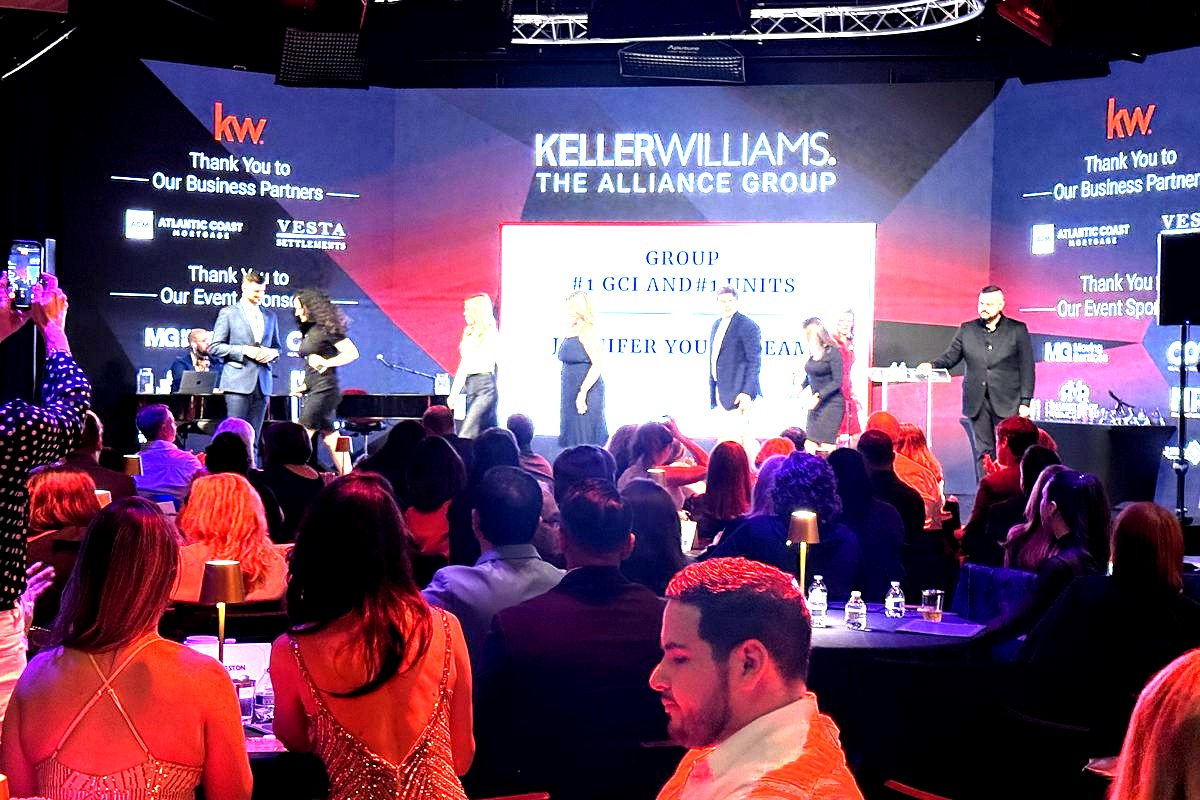
LED Video Walls — Self-Emissive Pixel Power
An LED video wall is composed of modular panels, each containing thousands of light-emitting diodes that produce their own light. Because every pixel is self-illuminating, there is no reliance on external light sources or reflective surfaces. Key characteristics include:
- Brightness: Typically 800–6,000+ nits depending on the panel. For reference, a bright laptop screen is around 300–500 nits.
- Pixel Pitch: The distance between each LED pixel, measured in millimeters. A smaller pixel pitch (e.g., 1.5mm–2.6mm) produces sharper images at closer viewing distances—ideal for indoor events in Chantilly or Fairfax County venues where audiences sit within 10–30 feet.
- Contrast Ratio: Because individual LEDs can turn completely off, LED walls achieve true blacks and exceptional contrast, often exceeding 5000:1.
- Seamless Scalability: Panels tile together to form virtually any screen size or aspect ratio without visible bezels or seams.
Projectors — Light Reflection Dependence
Projectors work by passing light through an image-generating chip (DLP, LCD, or LCoS) and projecting that light onto a screen or surface. Key characteristics include:
- Brightness: Event-grade projectors range from 5,000 to 30,000+ lumens. However, lumens measure projected light—ambient light in the room washes out the image, reducing effective brightness.
- Throw Distance: Projectors need space between the unit and the screen. In smaller Northern Virginia venues, this can be a logistical challenge.
- Contrast Ratio: Since projectors rely on reflected light, they cannot produce true black—only ‘dark gray.’ Native contrast ratios usually sit between 2000:1 and 3000:1.
- Resolution: High-end laser projectors can output 4K, but image clarity degrades as screen size increases beyond the projector’s optimal range.
Head-to-Head: LED Wall vs Projector for Events in 7 Critical Categories
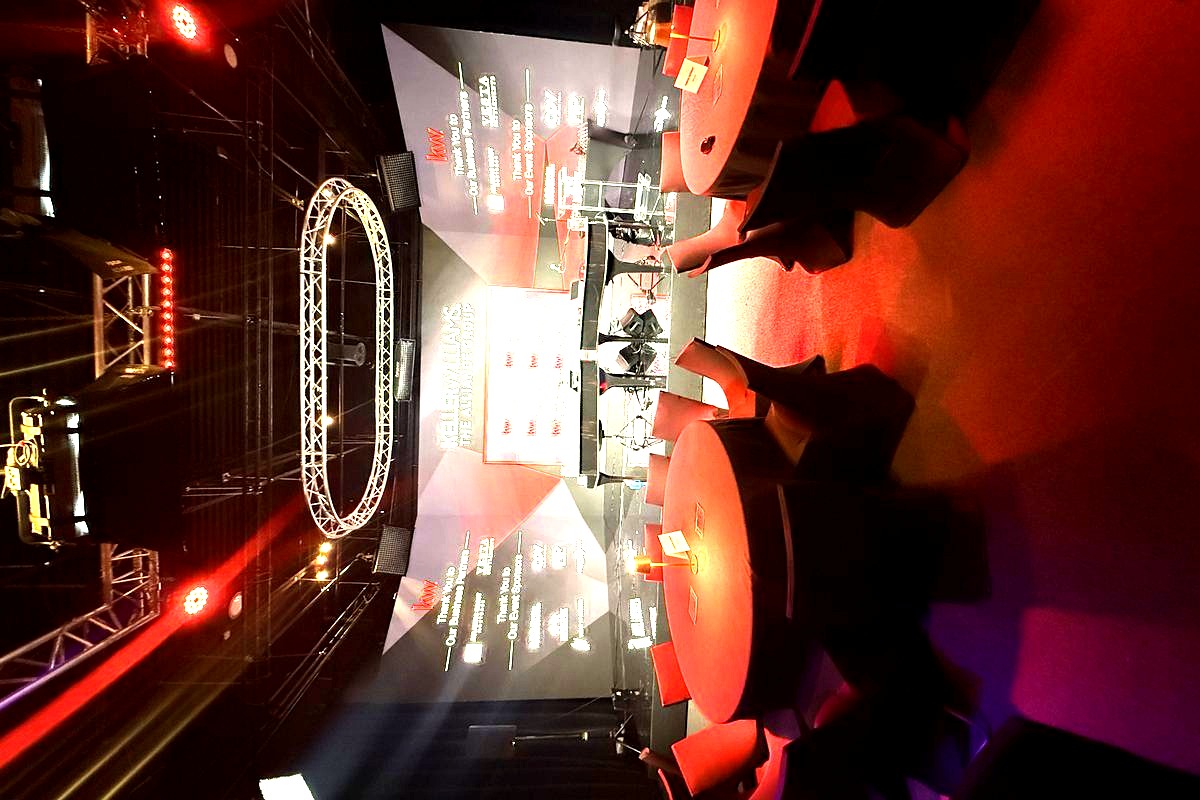
Below is a structured comparison across the metrics that actually matter when you are planning a 2026 event in the Chantilly, VA area or greater Loudoun and Fairfax County region.
1. Brightness and Ambient Light Performance
LED Wall wins decisively. Even in a fully lit ballroom or a venue with floor-to-ceiling windows (common in modern Reston and Ashburn event spaces), an LED wall maintains vivid, punchy colors because the pixels emit their own light. A projector, by contrast, fights a losing battle against ambient light. If your event involves dimming the room to near-darkness, a projector can look acceptable. But most corporate conferences, networking receptions, and galas in 2026 keep room lighting at medium or high levels for safety, note-taking, and social engagement—making LED the clear winner.
2. Image Quality and Color Accuracy
LED walls offer wider color gamuts, deeper blacks, and consistent color accuracy across the entire display surface. Projectors can suffer from ‘hotspotting’ (brighter center, dimmer edges) and color shift at off-axis viewing angles. For brand-sensitive presentations—where your Pantone colors must be exact—LED walls are the superior choice.
3. Setup Footprint and Venue Logistics
Projectors require throw distance, which consumes valuable floor space. In a venue like Trivision Event Center in Chantilly, where LED walls are already built into the studio infrastructure, you reclaim that space for seating, staging, or sponsor activations. No tripod screens blocking sightlines. No projector cart in the middle of the room. No cable runs across the floor creating trip hazards.
4. Content Versatility and Creative Possibilities
This is where the comparison becomes experiential rather than purely technical. LED walls unlock immersive design possibilities:
- Wrap-around configurations: L-shaped, U-shaped, or curved LED setups that envelop the audience.
- Dynamic backgrounds: Transform the look of the room in seconds—from a starfield to a branded cityscape to a live social media feed.
- Interactive content: Real-time data dashboards, live polling visuals, or motion-triggered graphics.
- Camera-friendly displays: LED walls look stunning on camera for livestreams and post-event video, whereas projector screens often flicker or blow out on video.
Projectors can display content on shaped surfaces (projection mapping), but this requires extensive calibration, specialized software, and total darkness—constraints that limit most standard corporate events.
5. Reliability and Maintenance During the Event
LED walls have no lamps to burn out mid-presentation. Individual panel modules can be hot-swapped if a rare malfunction occurs, meaning you never lose the entire display. Projectors carry the risk of lamp failure (especially older lamp-based models), overheating in warm venues, and alignment drift if bumped. For a high-stakes keynote in front of 300 attendees in Centreville or Herndon, the reliability edge matters enormously.
6. Audio Integration and AV Ecosystem
LED wall venues that are purpose-built—like Trivision Event Center—integrate the display with professional audio systems, switching hardware, and AV production support. This means your LED wall is not a standalone piece of gear; it is part of a cohesive AV ecosystem. With projectors, you typically need to bring in (and pay for) separate audio, switching, and production elements, which increases coordination complexity and cost.
7. Total Cost of Ownership vs. Per-Event Rental Cost
Here is where the nuance lives. Purchasing a projector is cheaper upfront than purchasing an LED wall. But most event planners in Northern Virginia do not buy display technology—they rent it or book a venue that includes it. Let us compare realistic 2026 cost scenarios:
- Projector rental for a single event: A 10,000-lumen projector with screen, rigging, and technician might run $1,500–$4,000 per day in the Dulles corridor area.
- LED wall rental (standalone): A portable LED wall setup (panels, processor, rigging, tech crew) can run $5,000–$15,000+ per day for a mid-sized configuration.
- LED wall venue (all-inclusive): Booking a venue like Trivision Event Center where LED walls and AV production are included in the rental can actually be more cost-effective than renting a blank-box venue + shipping in a portable LED wall + hiring a separate AV crew.
The takeaway: when you factor in the total production cost—not just the screen—an LED wall venue often delivers better value than assembling a projector-based setup from scratch.
Real-World Event Scenarios: Which Technology Fits Best?
Theory is helpful, but let us map these technologies onto the specific event types that Northern Virginia planners are booking for 2026.
Scenario 1: Corporate Conference (150–400 Attendees)
Best choice: LED wall. Keynote speakers need crisp slides, brand consistency, and the ability to incorporate video. Attendees at the back of the room need to read text clearly. Room lighting stays on for note-taking. An LED wall at a Chantilly venue handles all of this effortlessly. A projector would require dimmed lighting and struggle with readability beyond the first 10 rows.
Scenario 2: Intimate Board Meeting (10–25 Attendees)
Either works—but LED still has the edge. For a small group in a controlled-lighting environment, a high-quality projector is perfectly adequate. However, if the venue already has an LED wall (as Trivision does), there is no reason not to use it—the image quality is superior and setup is instant.
Scenario 3: Product Launch or Reveal
Best choice: LED wall, emphatically. Product launches are brand theater. You need vivid color, dramatic reveals, video playback at broadcast quality, and a display that photographs beautifully for press and social media. A projector cannot deliver the ‘wow factor’ that a large-format LED wall provides when the curtain drops.
Scenario 4: Outdoor Fundraiser or Community Event
Best choice: LED wall. Outdoor events in Fairfax County or Loudoun County during the warmer months deal with direct sunlight. Projectors are essentially useless outdoors during daylight. An outdoor-rated LED wall remains visible even in bright sunshine.
Scenario 5: Wedding Reception or Social Gala
Best choice: LED wall for ambiance; projector acceptable for slideshow-only use. If you want to transform the room with immersive visuals, animated backgrounds, or dynamic lighting effects, an LED wall is the clear winner. If you simply need a slideshow of photos running in a corner, a projector on a small screen is a budget-friendly option—though it will not contribute to the room’s atmosphere the way a wall-to-wall LED display will.
Scenario 6: Hybrid or Livestreamed Event
Best choice: LED wall, without question. LED walls are broadcast-ready. They display at refresh rates that cameras love (3840Hz+), producing zero flicker or banding on livestream feeds. Projector screens, when captured on camera, often show visible scan lines, uneven brightness, and washed-out color. If your 2026 event includes a virtual audience—which most corporate events in the Dulles corridor now do—LED is the only professional option.
The Hidden Factors Most Comparison Guides Ignore
Beyond the specs, there are experiential and logistical factors that dramatically impact your event:
- Load-in and load-out time: Portable LED wall setups require 4–8 hours of rigging. A venue with a permanent LED installation eliminates this entirely, saving you a half-day of setup and the associated labor costs.
- Shadow interference: Projectors are vulnerable to people walking between the projector and the screen. Even rear-projection setups can be disrupted. LED walls have zero shadow risk.
- Noise: High-lumen projectors generate fan noise—sometimes 40–50 dB—which can interfere with speakers in quiet rooms. LED walls are silent.
- Environmental impact: LED technology consumes significantly less power per unit of brightness compared to lamp-based projectors. For organizations with sustainability goals for 2026, this is a meaningful consideration.
- Lifespan and consistency: LED panels maintain color accuracy for 100,000+ hours. Projector lamps degrade over time, with brightness dropping 20–30% before replacement is needed.
Frequently Asked Questions: LED Wall vs Projector for Events
Is an LED wall better than a projector for corporate events?
In most corporate event scenarios, yes. LED walls offer superior brightness, color accuracy, and reliability. They perform well in ambient lighting, are camera-friendly for livestreams, and eliminate shadow interference. For conferences, product launches, and galas in Northern Virginia, an LED wall delivers a significantly more professional experience than a projector.
How much does it cost to rent an LED wall vs a projector for an event near Chantilly, VA?
A projector rental with screen and technician typically costs $1,500 to $4,000 per day in the Chantilly and Dulles corridor area. A standalone portable LED wall rental ranges from $5,000 to $15,000 or more. However, booking an all-inclusive LED wall venue like Trivision Event Center can be more cost-effective than renting a blank venue plus separate AV equipment and crew.
Can you use a projector outdoors for events in Fairfax or Loudoun County?
Projectors are extremely limited outdoors, especially during daylight hours. Even high-lumen projectors cannot compete with direct sunlight. For outdoor events in Fairfax County, Loudoun County, or anywhere in Northern Virginia, an outdoor-rated LED wall is the only viable option for clear, bright visuals.
What is pixel pitch and why does it matter for indoor events?
Pixel pitch is the distance in millimeters between the center of one LED pixel and the next. A smaller pixel pitch (e.g., 1.5mm to 2.6mm) produces sharper images, especially at close viewing distances typical of indoor events. For conferences and galas where attendees may sit 10 to 30 feet from the screen, a fine pixel pitch ensures text is crisp and images are detailed.
Do LED walls work well for livestreamed or hybrid events?
Yes, LED walls are broadcast-ready. They operate at high refresh rates (3840Hz and above), which eliminates the flicker, scan lines, and color banding that cameras often capture when filming projector screens. For any 2026 hybrid event in Northern Virginia, LED walls produce the best on-camera results.
Where can I find an event venue with a built-in LED wall near Chantilly, VA?
Trivision Event Center, located at 3856 Dulles South Court in Chantilly, VA 20151, features built-in LED video walls, professional AV production capabilities, and flexible studio spaces. The venue serves events within a 20-to-30-mile radius including Ashburn, Centreville, Herndon, Reston, Sterling, and Leesburg.
The Verdict: Making the Right Display Choice for Your 2026 Event
The debate around LED wall vs projector for events is not about one technology being universally bad. Projectors still have a place for small, dark-room presentations on tight budgets. But for virtually every professional event scenario in 2026—corporate conferences in Chantilly, product launches in Ashburn, galas in Reston, hybrid meetings in Herndon—LED walls deliver a measurably superior experience in brightness, reliability, visual impact, and production value.
The smartest move for Northern Virginia event planners is to book a venue where LED wall technology is already integrated into the space. You avoid the complexity and cost of portable AV rentals, you get professional production support on-site, and your event looks like it had twice the budget.
Trivision Event Center in Chantilly, VA was purpose-built for exactly this. With state-of-the-art LED video walls, integrated AV production, flexible studio configurations, and a team that understands the technical and creative possibilities, it is the venue that eliminates the projector-vs-LED debate entirely. Explore Trivision Event Center and start planning your 2026 event with the display technology your audience deserves.