
Introduction: Why Event Venue Pricing Feels So Confusing Today
If you’ve recently searched for an event venue near Washington DC, you’ve probably noticed something frustrating — pricing is rarely clear.
One venue charges thousands more than another. Some include production support, while others add unexpected technical costs later. Corporate planners, marketers, and production teams often start with a simple question:
“How much should an event space actually cost in 2026?”
The truth is, venue pricing has evolved. Modern corporate events are no longer just about renting a room — they involve hybrid broadcasting, AV integration, branded visuals, and audience experience design.
This guide breaks down real-world event space rental cost expectations so you can plan confidently, avoid hidden expenses, and choose a venue that truly supports your event goals.
What You’ll Learn in This Guide
After reading this guide, you’ll have a clear understanding of:
- Average event space pricing near Washington DC in 2026
- What factors actually increase or reduce venue cost
- Hidden fees planners often overlook
- How hybrid and production-ready venues change budgeting
- Smart ways corporate teams reduce total event expenses
- How to evaluate a corporate event venue beyond price
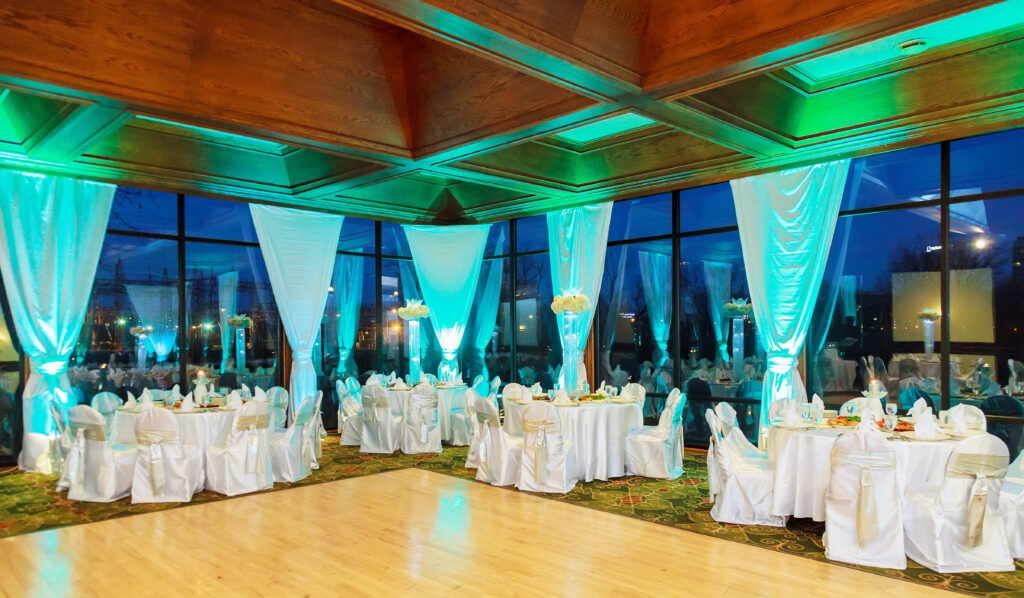
Quick Pricing Snapshot (2026)
Here’s a realistic overview corporate planners are seeing today:
| Event Type | Typical Venue Cost Range |
| Small corporate meetings | $1,500 – $4,000 |
| Mid-size corporate events | $4,000 – $12,000 |
| Conferences & brand events | $12,000 – $35,000+ |
| Hybrid production-ready venues | $8,000 – $25,000 |
Prices vary depending on production requirements, technology, and location accessibility.
Why Event Space Rental Costs Changed in 2026
Corporate events have shifted from simple gatherings to experience-driven productions.
Companies now expect:
- live streaming capabilities
- LED display environments
- professional lighting & audio
- branded visual storytelling
- hybrid audience engagement
Because of this, venues offering built-in event AV services often provide better overall value than empty rental spaces requiring third-party vendors.
In production-ready environments like those offered through TriVision Event Center, planners avoid coordinating multiple vendors — reducing both risk and cost overruns.
Key Factors That Influence Event Space Rental Cost
Location & Accessibility
Washington DC remains a premium event market due to corporate demand, government organizations, and association events.
Costs increase when venues offer:
- central DC proximity
- parking accessibility
- transit convenience
- professional surroundings
Production & Technology Infrastructure
Many planners underestimate how much production affects pricing.
A venue with integrated:
- LED wall rental
- studio-grade lighting
- broadcast-ready internet
- professional audio systems
can eliminate separate vendor costs later.
Sometimes a higher upfront venue price actually lowers total event spending.
Event Type & Duration
Different events require different setups:
- Corporate company events need staging and branding.
- Private events may focus on ambiance.
- Hybrid events require streaming infrastructure.
Longer setup or rehearsal times also impact rental fees.
Staffing & Technical Support
Professional venues often include:
- AV technicians
- production managers
- on-site coordination
Without this support, planners must hire external audio visual companies near me, increasing complexity and cost.

Step-by-Step: How Corporate Planners Should Budget Venue Costs
Planning a successful corporate event starts long before selecting a venue. One of the biggest mistakes planners make is comparing locations purely by rental price instead of understanding the total production investment required to deliver a professional experience.
In today’s event landscape — especially across Washington DC corporate markets — venues function as production environments, not just physical spaces. The following framework helps planners evaluate costs strategically and avoid unexpected budget overruns.
Step 1: Define Event Goals First (Before Looking at Venues)
Before requesting quotes or touring venues, corporate planners should clearly define what success looks like for the event.
Many budgeting problems happen because teams choose a space first and figure out logistics later. Instead, start with outcomes.
Ask yourself:
- How many attendees will participate onsite?
- Will the event be fully in-person or hybrid?
- What brand experience should attendees feel?
- Will sessions be recorded or livestreamed for future content?
These decisions directly influence venue requirements, technical setup, staffing, and timeline planning.
For example, a leadership summit focused on internal communication requires very different infrastructure than a product launch designed for media exposure. A venue that supports storytelling, visuals, and engagement will deliver stronger results than one selected only for size.
The goal: choose a venue that supports your objectives — not just your headcount.
Step 2: Compare Total Production Cost — Not Just Rental Fee
A common budgeting trap is selecting the lowest venue price without evaluating what is actually included.
An empty venue may appear affordable initially but often requires external vendors for audio, lighting, staging, and technical management. Once added, total costs frequently exceed those of production-ready venues.
When evaluating options, planners should ask detailed questions such as:
- Is professional AV equipment included?
- Are LED display screens or presentation systems available onsite?
- Does the venue provide technical staffing or production support?
- Are setup and rehearsal hours included?
Understanding these details allows planners to compare true event production value, not just base rental fees.
In many cases, venues offering integrated event AV services reduce coordination challenges and eliminate costly last-minute rentals — saving both budget and planning time.
Step 3: Evaluate Hybrid Event Readiness
Hybrid events are no longer optional for corporate communication. Organizations now expect content to reach remote teams, global audiences, and post-event marketing channels.
However, not every venue is designed for hybrid production.
A hybrid-ready space should function like a broadcast studio, not just a meeting room. Look for venues equipped with:
- built-in streaming integration
- broadcast-quality cameras and lighting
- high-speed dedicated internet connectivity
- presenter confidence monitors
- professional audio capture systems
Without these elements, planners must build temporary production setups, increasing complexity and risk.
Choosing a venue already optimized for hybrid event production ensures smoother execution and a more professional viewer experience.
Step 4: Request a Transparent Pricing Breakdown
Professional venues understand that corporate planners need clarity to make confident decisions. Transparent pricing is one of the strongest indicators of a reliable event partner.
Instead of accepting a single total quote, request a detailed breakdown that explains:
- Base venue rental fee
- Equipment and production costs
- Technical staffing or operator fees
- Setup and teardown time
- Overtime or extended-hour charges
This level of visibility helps prevent unexpected invoices and allows stakeholders to approve budgets faster.
Transparency also reflects operational maturity — venues experienced with corporate events typically provide structured pricing because they understand planning workflows.
Why This Process Matters
When planners follow this four-step budgeting approach, they shift from price comparison to value evaluation.
The result is:
- fewer surprises during production
- smoother event execution
- better audience experience
- stronger ROI for corporate teams
Ultimately, the right venue should simplify planning, support creativity, and enable flawless delivery — not introduce additional logistical challenges.
Real Planning Scenario (Mini Case Example)
A marketing team planned a leadership summit for 150 attendees.
Initially, they selected a low-cost venue but later added:
- AV rentals
- lighting
- staging
- livestream production
The final cost exceeded expectations by 40%.
When comparing production-ready venues like TriVision Event Production, they realized bundled services simplified planning and reduced vendor coordination — ultimately saving budget and time.
What Most People Get Wrong About Venue Pricing
Many planners assume venue cost equals total event cost. It doesn’t.
Common misunderstandings include:
- Choosing empty spaces requiring full production build-out
- Ignoring technical rehearsal time
- Underestimating hybrid event requirements
- Hiring multiple vendors without centralized coordination
The smartest planners evaluate experience capability, not square footage.
Expert Pro Tips from Event Production Professionals
- Book venues 4–6 months in advance for best pricing.
- Ask about bundled production packages.
- Choose venues designed for corporate events, not weddings.
- Test internet bandwidth for hybrid events.
- Prioritize venues with in-house technical teams.
These small decisions prevent major event-day stress.
Common Mistakes to Avoid
- Selecting venues without technical infrastructure
- Comparing venues only by price
- Ignoring setup and teardown timing
- Overlooking audience experience design
- Not planning for recording or post-event content
Key Takeaways
- Event space rental cost depends on production capabilities, not just location.
- Hybrid-ready venues deliver better long-term value.
- Transparent pricing prevents budget surprises.
- Integrated production simplifies planning.
- Corporate planners should evaluate total experience cost.
Conclusion: Plan Smarter, Not Just Cheaper
In 2026, successful corporate events are built on strategy, technology, and seamless execution — not simply venue selection.
Understanding real event space rental cost helps planners make confident decisions, align budgets with outcomes, and deliver memorable experiences for both in-person and virtual audiences.
At TriVision Event Center, events are designed as complete production experiences — combining venue, technology, and expertise under one coordinated vision.
If you’re planning a corporate event, hybrid experience, or branded gathering near Washington DC, choosing the right environment can transform both your planning process and final results.
Ready to plan your next event with clarity and confidence? Contact the team today to explore production-ready venue solutions tailored to your goals.
FAQ: Event Space Rental Cost Near Washington DC
How much does a corporate event venue cost in DC?
Most corporate venues range from $4,000 to $20,000 depending on production requirements and capacity.
Are AV services usually included?
Some venues include basic equipment, but production-ready venues provide complete event AV services.
Is hybrid event production more expensive?
Initially yes, but hybrid events extend audience reach and long-term ROI.
When should I book a venue?
Ideally 4–6 months before your event date.
Do production-ready venues save money?
Yes. Bundled services often reduce vendor coordination and unexpected expenses.
What size venue do corporate events need?
It depends on format, staging, and audience engagement goals rather than attendee count alone.